$75 Billion vs. $81.3 Billion: SpaceX and Anthropic Split 2026's IPO Records
Anthropic's $81.3B IPO topped SpaceX's $75B within five months in 2026, but a 34.3% opening premium left day-one buyers with a 12.9% loss while SpaceX climbed 7.3%.
By Grace Kim
4 min read
What's News
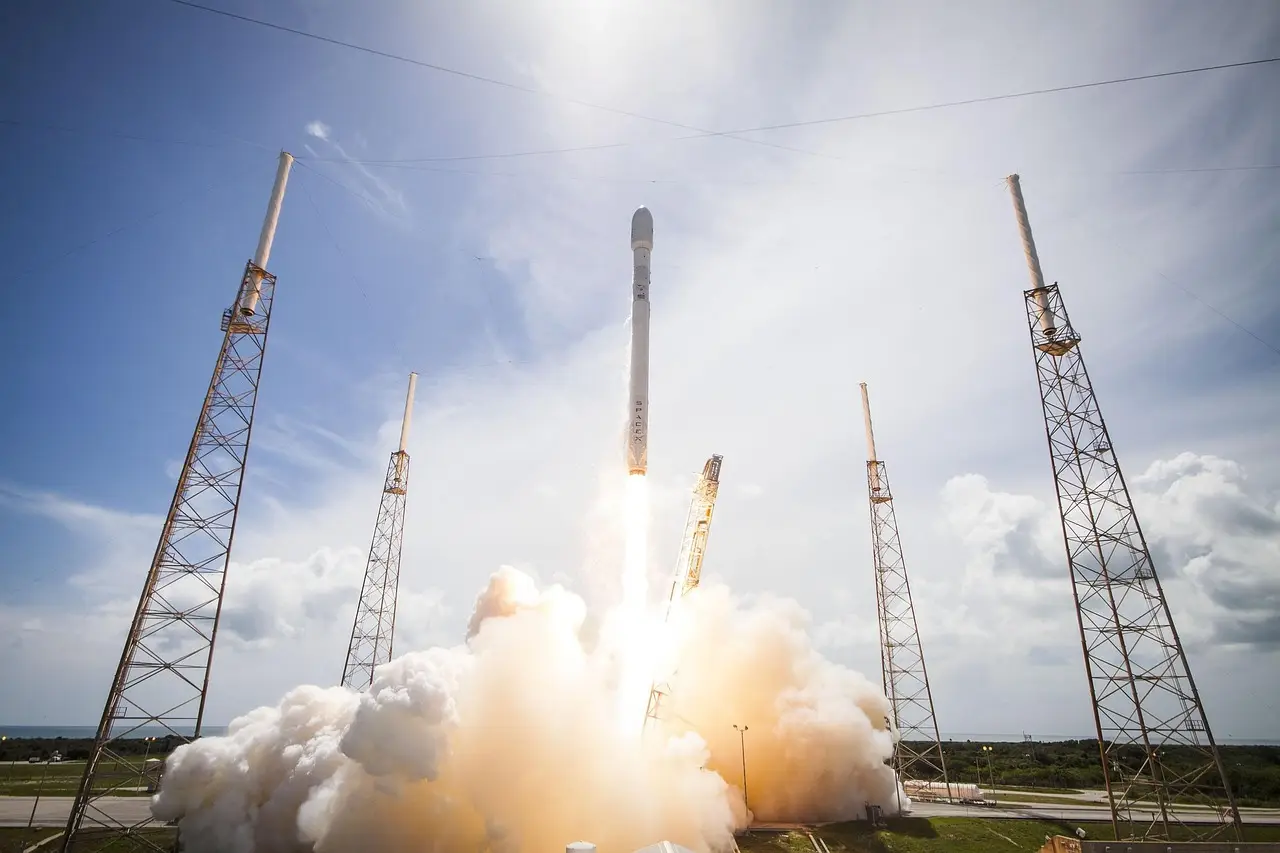
- Anthropic raised about $81.3 billion in its November 2026 IPO; SpaceX raised $75 billion in June
- ANT priced at $83, opened at $111.50 (a 34.3% premium), and closed at $97.17
- SpaceX priced at $135, opened at $150, hit $176.52 intraday and closed at $160.95
- Anthropic reported roughly $33.2 billion in revenue in the first nine months of 2026
- SpaceX buyers at the open gained about 7.3%; Anthropic buyers at the open lost about 12.9%
Two IPO records fell five months apart in 2026: Anthropic raised about $81.3 billion in November, edging SpaceX's $75 billion from June. The bigger check didn't buy the better debut. SpaceX holders who bought the $150 open finished day one up roughly 7.3% at $160.95. Anthropic holders who paid the $111.50 open finished down about 12.9% at $97.17.
Gate's comparative analysis of the two listings lays out the numbers — and the gap between IPO winners and market-open buyers. Anthropic's IPO price was $83, so allocation recipients ended the first session with an approximately 17.1% paper gain. Nearly everyone who bought later in the day lost money.
Takeaway: record fundraising and profitable first-day trading are two different things.
How Big Was Each Opening Premium?
Anthropic priced at $83 and opened at $111.50 — a premium of approximately 34.3% before retail investors could touch the stock. SpaceX priced at $135 and opened at $150, a premium of about 11.1%.
That spread did the damage. Anthropic had already absorbed a much larger price jump before secondary-market participation began, and holding that elevated level required sustained demand — while IPO allocation holders sat on gains they could realize. ANT briefly touched $114.99, fell below $100, and closed at $97.17. Reuters' first-day coverage attributed the trading to profit-taking, concerns about AI valuations, and broader market weakness.
SpaceX moved the other way. Its shares climbed from $150 to an intraday high of $176.52 before settling at $160.95, comfortably above the open.
Takeaway: the premium built into the first print determined who made money on day one.
What Separates the Two Business Models?
Both companies cleared trillion-dollar-scale territory, but their revenue engines look nothing alike.
Anthropic, founded in 2021 by former OpenAI researchers, runs on Claude models, Claude Code, enterprise APIs and AI agents. It's structured as a Public Benefit Corporation, emphasizes Constitutional AI training, alignment and existential-risk mitigation, and spends heavily on model training, inference and computing infrastructure. Its IPO disclosures show approximately $33.2 billion in revenue for the first nine months of 2026 — rapid commercialization, but investors still have to judge whether that growth converts into better margins and sustainable cash flow.
SpaceX, founded in 2002 by Elon Musk, built its economics on reusable rockets. Launch services anchor its competitive position; Starlink generates recurring satellite-internet revenue; satellite communications, space infrastructure and emerging businesses feed longer-term expectations, with a stated mission of lowering transport costs and supporting a human presence on Mars.
The valuation sensitivities split accordingly. Anthropic swings on AI model competition, enterprise customer growth and computing costs. SpaceX swings on Starlink adoption, launch capacity, infrastructure investment and new business expansion.
Takeaway: same headline scale, entirely different risk profiles.
What Do the Two Debuts Teach Investors?
SpaceX went public in June; Anthropic in November. As of November 21, 2026, SpaceX has months of trading history while Anthropic is still in early price discovery — so comparing cumulative returns since listing would mislead. Gate's analysis recommends matching intervals instead: first day, first week, first month, earnings periods.
The initial sessions already yield three lessons:
- Offering returns and market returns aren't interchangeable. Anthropic's ~17% first-day gain versus the $83 offer produced negative returns for anyone who bought the open. A fat opening premium eats the upside for later buyers.
- Enthusiasm isn't demand. Even companies as recognized as Anthropic and SpaceX answer to actual supply and demand after listing. Records and media attention don't set the price from day two onward.
- Numbers eventually outrank excitement. Once the debut noise fades, investors weigh revenue growth, profitability, capital expenditure and management outlook — and each figure counts more when compared over matched periods.
For Anthropic, upcoming earnings reports carry the weight. Expanding Claude Code, enterprise AI and agent revenue while managing substantial computing costs will shape how investors reprice the stock. SpaceX's trading history is a useful reference, not a forecast for ANT.
Takeaway: entry price and timing mattered as much as either company's fame.
Where Does Gate Fit In?
The listings also mark a bridge between digital-asset platforms and traditional capital markets. Gate launched IPO Access in June 2026 with SpaceX as its first offering; Anthropic became the second high-profile example. Per Gate's Anthropic IPO Access review, allocations completed, then transitioned into public-market trading — two stages with different prices, liquidity conditions and risks.
Gate's prior work — its SpaceX IPO opportunity analysis, its ANTX price prediction and Anthropic valuation analysis — tracked Claude's commercialization, the trillion-dollar valuation and the initial post-IPO correction. The through-line: investor attention is shifting from getting into famous IPOs toward what the stock does after listing.
For individual investors, that means the relationship between offering price, opening premium and subsequent movement tells you more than the fundraising figure on the banner.
Anthropic now has to prove Claude's commercial expansion supports sustained growth and improving profitability. SpaceX has to show Starlink and its broader portfolio justify long-term valuation expectations. Their future performance will set the reference for how public markets price the world's largest technology companies.
Source: tradingview.com
More from Grace Kim
Show full bio
Market editor covering people, launches and day-to-day practice in entrepreneurship, startups and venture funding at Business Bearings.
2,736 articles