A $1,400 desert lot bought in 1971 is now worth $255
Horizon City Estates sold 60,000 desert lots in the 1970s. The FTC won $14.5 million for buyers; 50 years on, the land sits empty and a $1,400 lot appraises at $255.
By Olivia Hart
5 min read
What's News
- A $1,400 lot bought in 1971 in Horizon City Estates is appraised at $255 today.
- The FTC ordered Horizon Corporation in 1981 to pay $14.5 million to roughly 40,000 consumers; the average payout would have been about $360.
- Only about 650 homes on 160 acres were built by 1981 — under 1% of the planned development.
- El Paso's population grew from 369,200 in 1971 to 877,858 in 2025, pushing growth toward the vacant lots.
- HCIA has assembled close to 10% of an estimated 38,000 lots since 2005 through its Lot Assembly Program.
By Olivia Hart
A quarter-acre lot in El Paso, Texas, purchased for $1,400 in 1971, is appraised today at $255. Put that same $1,400 into the S&P 500 in 1971 and it would be worth roughly $113,000 now, according to the reporting. That gap is the entire story of Horizon City Estates, a planned development that sold tens of thousands of desert lots and built almost nothing.
Business Insider documented the saga through the family of Jordan Pandy, whose grandparents — an Air Force administrative supervisor and a homemaker stationed at Torrejón Air Base in Madrid — bought the lot sight unseen in 1971, betting on generational wealth.
"For me, it was investing in the future," Ann Parker, 86, told her grandson. "You're only going to pay so much now, and you'll get a bigger profit down the road."
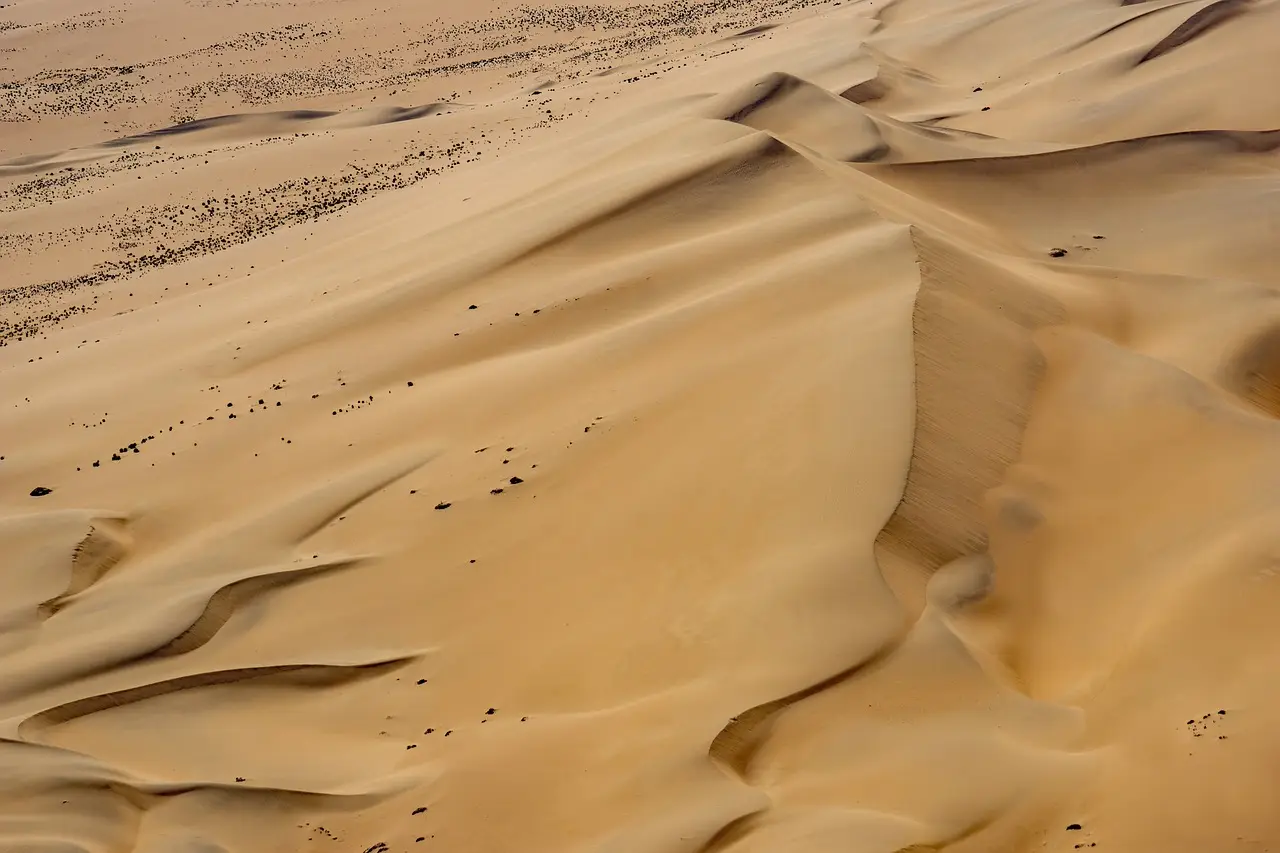
That profit never arrived. The lot has no homes, no paved roads, and no infrastructure of any kind.
Who sold the dream?
Horizon Corporation, a Tucson, Arizona-based company, was one of the largest sellers of undeveloped land in the Southwest during the 1960s and '70s. Its playbook: buy hundreds of thousands of acres across Texas, New Mexico, and Arizona, subdivide them, and market the parcels as future master-planned communities with names like Paradise Hills, Arizona Sunsites, and Whispering Ranch.
In 1975, the Federal Trade Commission filed a complaint against Horizon Corporation for misrepresentation and "deceptive" practices, alleging its aggressive marketing misled consumers about the true value of their land. The industry context was grim. In 1976, 18 people and five corporations were indicted in an Arizona land-fraud scheme that cost roughly 10,000 victims $40 million; that same year, Gulf American Land Corporation pleaded guilty to five charges of fraudulent sales practices after selling swampland.
By 1976, Horizon City spanned 87,000 acres, about 60,000 of which had been sold. Construction barely moved: by the end of Horizon's run in 1981, roughly 650 homes stood on about 160 acres — under 1% of the original plan.
What did the FTC actually recover for buyers?
In 1981, the FTC ordered Horizon Corporation to pay $14.5 million to roughly 40,000 consumers across its six developments — roughly $360 per affected buyer, if split evenly. The company's agreement did not acknowledge any legal violations. Parker said her family never received a payout.
The order is less generous than it sounds. A $360 payment against a $1,400 purchase price still leaves most buyers underwater. Horizon subsequently faced liquidity problems, and development company MCO Properties assumed control in 1985.
Why won't developers buy the land now?
The paradox is geographic. El Paso's GDP grew 93% from 2014 to 2024, its population more than doubled from an estimated 369,200 in 1971 to 877,858 in 2025, and Meta announced a $10 billion data center investment in July 2026, alongside a $500,000 grant to El Paso's public schools. Franklin Mountains and the borders with Mexico and New Mexico push the city's growth east — directly toward the old Horizon lots.
Nearby proof exists. A 42-acre sports complex opened in 2020 about 5,100 feet west of the property. Roughly 3,400 feet north, the Tierra Del Este subdivision sells homes from the mid-$300,000s to above $500,000, some built as recently as 2026.
The blocker is ownership fragmentation. HCIA general manager Roxanne Jurado estimates about 38,000 lots, owned by people scattered worldwide.
"Let's just say in one unit there are 400 lots — probably 350 of them could be owned by different people," Jurado said. "Now we have the issue of scattered ownership, because some of them are deceased, some of them don't want to sell, and some of them have moved, and we can't get a hold of them."
Since around 2005, the nonprofit Horizon Communities Improvement Association has bought lots at appraised value — typically around $200 — through its Lot Assembly Program, assembling close to 10% of the lots so far. El Paso County also accepts donated lots. Neither has enough acreage to attract a developer.
The desert also lacks water, sewer, electricity, and gas. Developers won't build without infrastructure; infrastructure won't come without developers. The impasse stands.
Do the ghost lots hurt nearby home prices?
Apparently not. Dinah L. Kilgore, executive director and chief appraiser of El Paso County's Central Appraisal District, called the market "very healthy" and said the vacant land attracts buyers.
"Everybody likes open spaces," Kilgore said. "They're like, 'Oh, there's nobody across the street from me.'"
El Paso agent John Peña was blunter about the Far East land: "I don't know even how to say it. It's not pleasant land."
Some heirs simply want out. Tim Carlig, 77, of Shorewood, Illinois, who inherited a lot, said a Realtor told him decades ago there was no infrastructure — "no water or electricity or anything out there." He would give the land away for free. Eileen Curran, 67, of Palm Coast, Florida, pays under $30 a year in taxes on her inherited lot and calls it "more like a novelty."
Parker pays about $7 in annual taxes plus a $14 HCIA fee. Her Maryland home, bought for $72,000 in 1980, has gained nearly 440% in value per Zillow's estimate — a counterfactual to the El Paso bet, made just three years after the Fair Housing Act opened ownership to Black families like hers.
"For me, it's still an investment," Parker said. "I'm just dreaming that one day it'll amount to something."
Unless the county and HCIA can consolidate 38,000 scattered lots, that dream is the only asset still appreciating on this land.
Source: feeds.businessinsider.com
More from Olivia Hart
Show full bio
Staff writer covering people, launches and day-to-day practice in entrepreneurship, startups and venture funding at Business Bearings.
2,535 articles