A $10 Million Nuclear Silo Becomes an AI Data Center Play
Australian VC Nik Halik paid over $10 million for a Cold War missile silo and plans a $30 million renovation into an off-grid AI data center cooled by 52-degree air.
By Grace Kim
3 min read
What's News
- Nik Halik bought the decommissioned Colorado missile silo from the US government in 2021 for more than $10 million.
- The 200,000-square-foot bunker descends 165 feet and needs an estimated $30 million renovation.
- Cooling can consume over 30% of a data center's electricity, per Pew Research Center; the silo holds 52 degrees Fahrenheit year-round.
- Halik plans to replace diesel infrastructure with small nuclear reactors to power the site off-grid.
- Iron Mountain already runs a 40-acre data center in a 220-foot-deep former Pennsylvania limestone mine.
By Grace Kim
Australian venture capitalist Nik Halik paid more than $10 million in 2021 for a decommissioned nuclear missile silo near Denver — and he's now putting an estimated $30 million more into turning it into an AI data center.
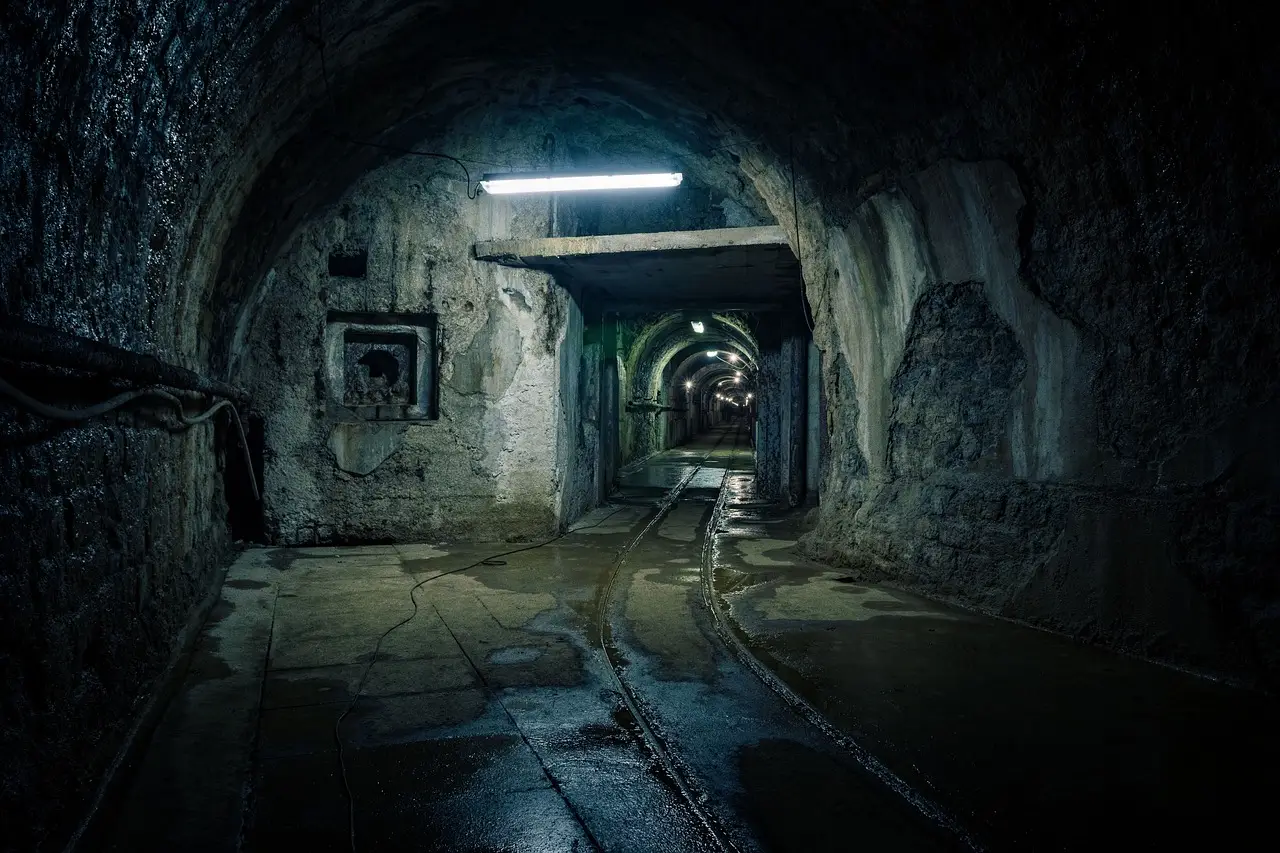
The numbers frame the bet. The facility spans 200,000 square feet across 17 chambers, drops 165 feet underground, and connects through 4,500 feet of tunnels. It was built in 1959 for $47 million, roughly $350 million in today's dollars, to house Titan I intercontinental ballistic missiles.
Why put AI servers in a missile silo?
Cooling. The bunker holds a steady 52 degrees Fahrenheit, even in summer — optimal for preventing servers from overheating. At some data centers, cooling eats more than 30% of a facility's electricity, according to the Pew Research Center.
"AI needs power," Halik told Business Insider. "AI needs safe environments to basically have all their computational processing power."
Power is the second lever. Halik said he will swap the facility's diesel infrastructure for small nuclear reactors to avoid the hassle of refueling. The original setup was already built for off-grid operation: four large diesel engines, with tanks that each hold about 50,000 gallons — enough fuel to power roughly 2,000 houses for two weeks.
What's inside the bunker?
The US built 18 Titan I silos during the Cold War. Each housed missiles 98 feet tall, capable of delivering a warhead over 6,000 miles, according to the National Park Service. The site could once launch three 4.5-megaton missiles — 300 times more powerful than the Hiroshima bomb — at a moment's notice.
"The fate of the Western world was in the hands of these 21- to 22-year-olds who had the keys to the missiles, ready to employ them on the instructions of the Pentagon from the president," Halik said.
The most secure section, which Halik calls "Hoover Dam-type engineering," uses steel-reinforced concrete rated to withstand roughly 15,000 pounds of pressure per square inch — enough to survive a nuclear blast.
All 54 Titan I missiles were decommissioned by early 1965, outpaced by the Titan II and Minuteman I. Halik said his bunker later served government defense contractors and the Defense Advanced Research Projects Agency before the government sold it off.
What's the renovation actually involve?
Five years of hands-on work, documented on the YouTube channel Nuclear Bunker Living since September 2021. The basement is riddled with cyanide, lead paint, mercury, and asbestos. On one exploration, Halik crawled through a rusty pipe and later discovered a live wire inside that he said could've electrocuted him instantly.
"There are so many variables of danger here," Halik said in a video. "This place is unforgiving, and it always reciprocates with interest."
The entrepreneur — a self-described "thrillionaire" who has skydived over Mount Everest, trained as a civilian cosmonaut in Russia, and dived 5 miles to the Titanic — frames the project as undervalued infrastructure. "I'm immersed in the world of castles and underground bunkers," he said. "I'm a value-facturer. I like things that I can add value to."
Plans beyond the data center include a museum in the former control room, where his team recently found papers containing launch codes and protocols, and a nightclub with a DJ, bar, and Cirque du Soleil dancers.
Is there a market for this?
Halik said tech and AI companies have already expressed interest, without naming them. The trend is real: Iron Mountain runs a data center in a former limestone mine in Pennsylvania — 220 feet deep and 40 acres, about nine times the size of Halik's bunker.
If Halik's reactors and cooling math hold up, a site built to survive a nuclear exchange could end up hosting the AI boom's next rack of servers.
Source: feeds.businessinsider.com
More from Grace Kim
Show full bio
Market editor covering people, launches and day-to-day practice in entrepreneurship, startups and venture funding at Business Bearings.
2,582 articles