A £66 Gap for the Same Rabbit Operation: Why London Chain Prices Vary Wildly by Borough
The same rabbit castration costs £136 in Chingford and £70 in Enfield at the same vet chain. From Greggs to petrol pumps, London brands price by postcode, not product.
By Nathan Brooks
4 min read
What's News
- A rabbit castration costs £136 at Vets for Pets in Chingford versus £70 in Enfield, same chain
- A Greggs sausage roll costs £1.35 in Sutton but £1.60 in central London
- EG On the Move charged 171.9p–177.9p per litre for unleaded in London on the same day
- A Pizza Express Duo Romana pizza ranges from £20.95 to £22.95 across London locations
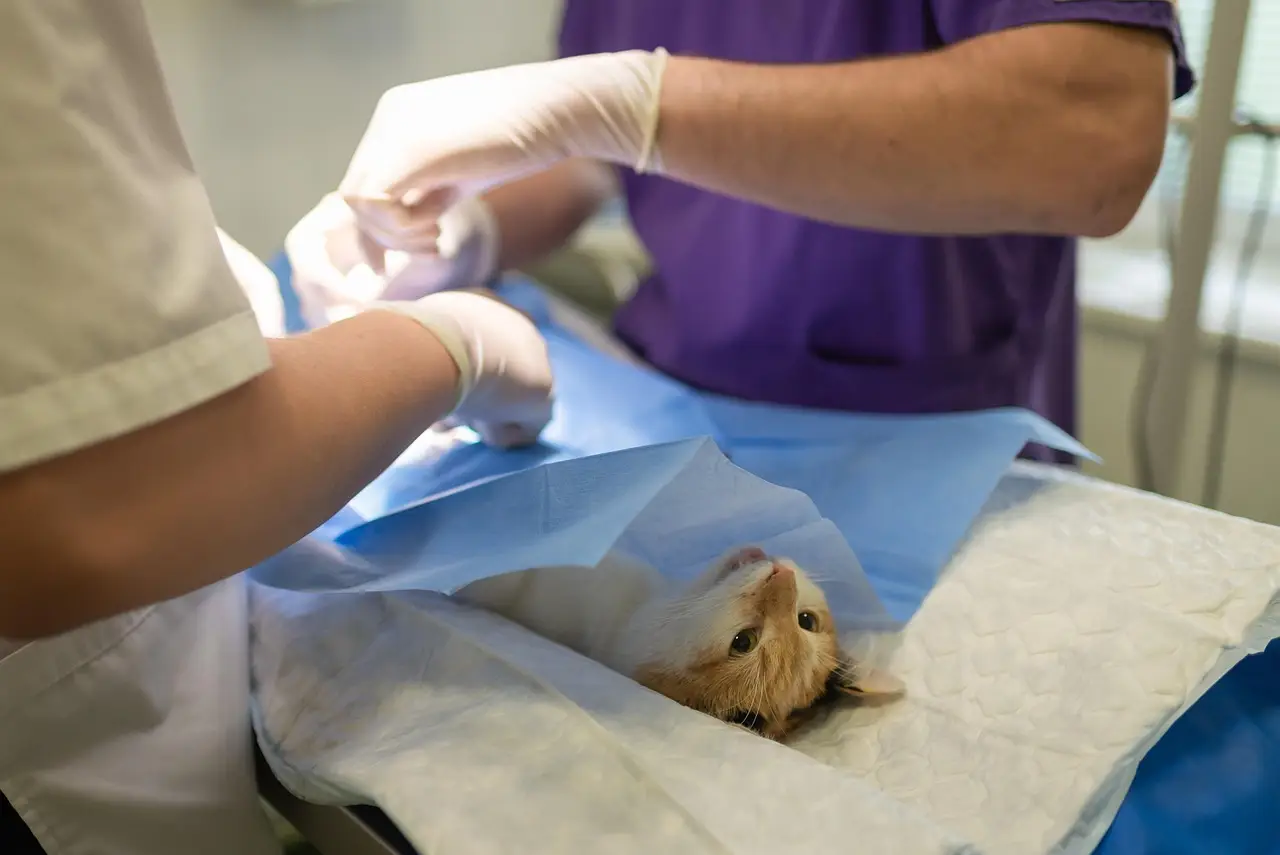
The same rabbit castration costs £136 at Vets for Pets in Chingford, east London — and £70 at the same chain's practice in Enfield, north London. That near-doubling within one brand, revealed by BBC London's price survey, is the sharpest example of a pattern running through almost every consumer category in the capital: chains price by location, not by product.
Greggs does it too, just more gently. A bog-standard sausage roll costs £1.35 in outer boroughs like Sutton but £1.60 in central London. The bakery chain told the BBC: "We use national pricing across most of our shops however, this can vary in certain locations where costs are higher than average, such as travel hubs."
What does this change for London consumers?
The practical answer: stop assuming a brand means a price. A Duo Romana pizza at Pizza Express costs £20.95 in Muswell Hill, north London. Drive three miles (5km) north to Southgate and the identical pizza costs a pound more. In central London it hits £22.95.
Consumer expert Helen Dewdney, who runs the Complaining Cow website, says the pizza gap isn't just about central London rents. Convenience pricing plays a role — and Southgate has a Tube station while Muswell Hill does not.
"It's all about cashing in on convenience for people," Dewdney told the BBC. "One will be nearer a Tube, so they're counting on people saying 'Oh, I'll just get a pizza on the way home.' Whereas another you might have to make a journey to it."
The pattern repeats across everyday spending:
- A Vue cinema ticket bought online costs £6.99 in Eltham, south-east London, but £9.99 in Piccadilly or Angel, Islington.
- A blow dry at Rush hair salon starts at £45 in Kentish Town, north London, versus £40 in Ilford, east London.
- Fish, chips and a drink at Wetherspoons costs £11.18 in Sidcup, south-east London, but £12.77 in Camden Town.
Petrol swings 6p a litre within a mile
Fuel shows the same postcode lottery — sometimes at the same company's pumps within a mile (1.5km). On the same day, EG On the Move forecourts in London charged:
- Unleaded (E10): 171.9p to 177.9p per litre
- Diesel (B7): 198.2p to 201.9p
Forecourts near main roads, motorways or supermarkets also adjust prices up or down. Dewdney's fix is a comparison app such as petrolprices.com: "You can look at the distance as well as the price difference so you're not driving too far away. It's not always the nearest one that's worth going to."
Why can vets in the same chain double their prices?
Recent legislation requires vets to publish a comprehensive price list for standard services. But transparency isn't a price cap, and it doesn't harmonise prices within a chain. Vets for Pets operates as a franchise, and each practice owner sets their own fees.
Dewdney admits the £136-versus-£70 gap surprised her. "I think it's an interesting one, because they're saying it's a franchise and they can set their own prices. Although the government did bring in some changes for vets, it wasn't about capping the prices. It was just that they had to be more transparent," she explained.
Pets At Home, which hosts the practices, said: "Vets for Pets practices are independently owned and operated, with practice owners having full clinical and day-to-day operational autonomy, including setting fees for delivering the high-quality care and services they provide."
The company said pricing decisions are made locally and vary for many reasons, "including factors such as operating costs, staffing, facilities and the unique needs of the communities they serve", and that "all costs are communicated clearly with clients ahead of any treatment or service being provided".
It added that veterinary practices had, like many UK businesses, "experienced increased operating costs over the past year, including rises in energy, wages, medicines and other essential supplies", and said these pressures are "felt right across the sector, but practice teams work hard to keep costs as low as possible to ensure high-quality care is accessible and affordable for pet owners in their local communities".
The takeaway
For consumers and anyone pricing multi-site retail, the lesson is simple: a brand is not a price list. Shop around before committing — whether it's veterinary care, the weekly shop, a haircut or a tank of fuel. As Dewdney summed it up: "People have just got to do their research."
With vet fee transparency rules now live and franchise models spreading cost pressures unevenly, expect these intra-chain gaps to stay — and to keep rewarding the customers who check.
Original: thecomplainingcow.co.uk
More from Nathan Brooks
Show full bio
News editor covering regulation, policy and their impact on entrepreneurship, startups and venture funding at Business Bearings.
1,602 articles