AI Productivity Boosts Trigger Higher Workloads and Burnout Risk
AI can speed task completion while managers raise workloads, eroding performance, connection and capacity. The analysis offers training, engagement and staffing safeguards.
By Nathan Brooks
3 min read
What's News
- AI adoption is described as lifting productivity while team performance dips as production rises.
- Shifting 20% of regular work to AI leaves 80% for human optimization and high-value assignments.
- Q Studio offers organization-wide Mind Skills Training designed to improve clarity and performance.
- Agile Seekers teaches employees to question AI output, spot errors and use skepticism.
- Thomson Reuters research links permission to submit AI work with weaker connection to work and colleagues.
By Nathan Brooks
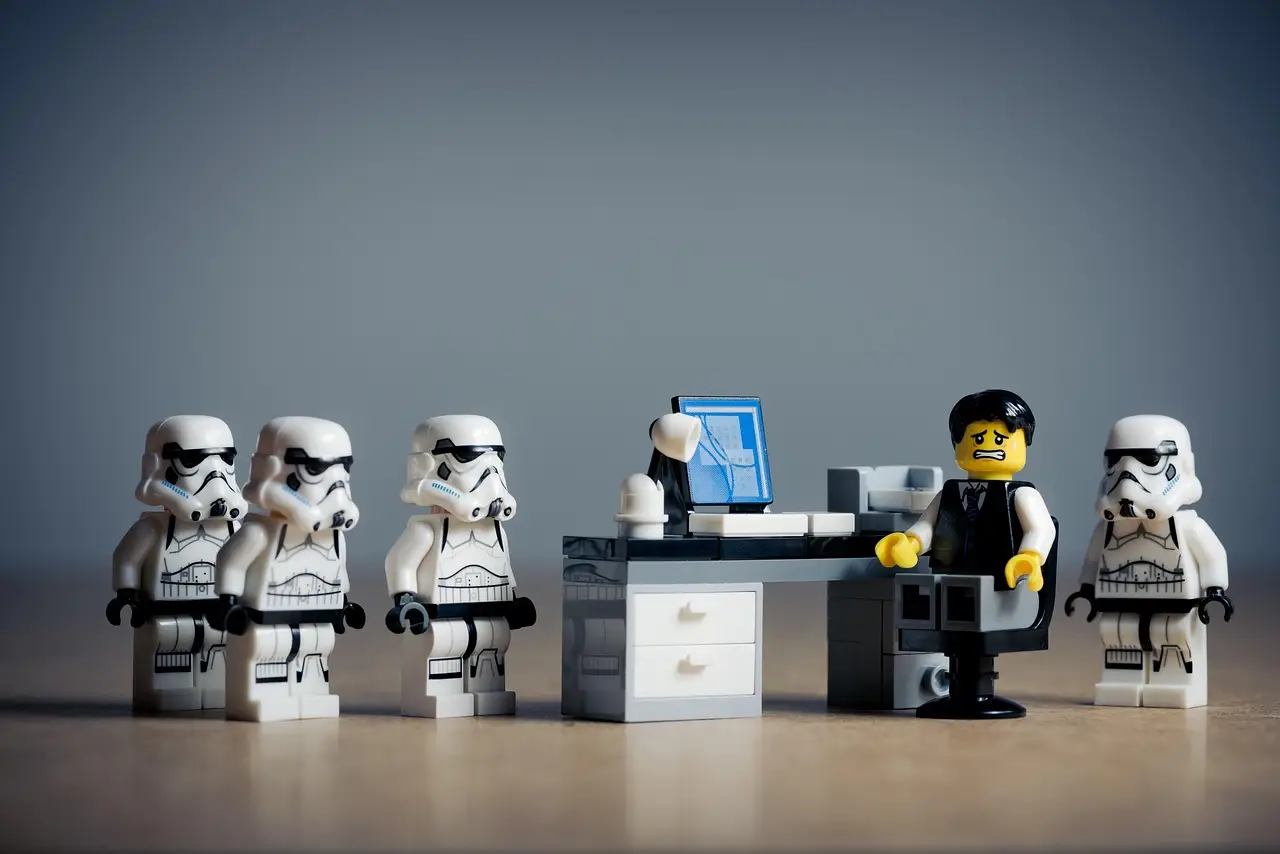
An Entrepreneur contributor argues that companies beginning to use AI tools see productivity rise as tasks finish faster, yet team performance can dip when production increases. The contributor attributes the reversal to management behavior, not a failure of the technology. AI makes task completion faster, but organizations respond by increasing workloads and expectations.
Employees complete more work without receiving any relief, which the analysis links to capacity strain and burnout. The contributor frames the risk bluntly: “robotic productivity is a poor substitute for outstanding human performance.” Managers also need to distinguish healthy efficiency from unsustainable acceleration, particularly when employees struggle to prioritize and adapt.
What changes for managers when AI raises output?
The practical change is not a bigger workload. It is a new obligation to decide how saved time gets used: for judgment, adaptability, emotional intelligence and stronger human connection. For managers, the analysis says, AI should create room for high-value work instead of turning every efficiency gain into a quota increase.
Training employees to use their brains in ways AI cannot is the first step. The same productivity gain must also protect human connection and performance, not just increase volume.
Turn recovered time into better judgment
Consider an employee who shifts 20% of regular work to AI-based processes. The analysis asks whether that person can optimize the remaining 80% and use the freed 20% for assignments only a human can do. Training should create space to regulate attention and mental state under pressure.
Workers can then apply the judgment, adaptability and emotional intelligence they already possess, rather than learn critical thinking from scratch. The goal is clearer thinking and stronger performance.
Q Studio, a human performance company, offers organization-wide Mind Skills Training for clearer thinking and stronger performance in what the contributor calls the new paradox. Agile Seekers, a corporate agile training company, teaches curiosity and skepticism toward AI. Employees learn to spot errors, ask questions and engage with AI work rather than accept recommendations.
Protect human connection as AI expands
As teams embrace AI, employees may communicate less and simply forward software outputs through the workflow. The contributor says that pattern erodes human connection, can reduce engagement and can lead to burnout. Leaders must set the expectation that AI implementation is no excuse for building silos or accepting subpar work.
Thomson Reuters research cited by the analysis finds that employees given permission to submit AI work lose a sense of connection with the work and, eventually, with each other. The analysis uses that finding to argue that collaboration belongs in productivity management rather than outside it.
Chatbots can train managers to handle difficult conversations, according to the source. The contributor argues, however, that having team members role-play with one another can be a stronger way to build bonds, support and comfort.
Treat AI-driven downsizing as a separate decision
Some leaders are cutting jobs in the name of AI, while some large companies are not. Even when AI improves productivity, the analysis urges leaders to reconsider downsizing because the decision sends a mixed signal to the people who remain.
When an employee is dismissed because AI took their job, surviving workers may conclude that productivity matters more than performance. The contributor warns: “productivity is more important to you than performance.” Their response may be to look busy rather than deliver stellar work.
Careful reductions can preserve room for the human characteristics and acumen that AI cannot replicate. Without that discipline, a downsized organization may produce plenty of error-prone work under the guise of productivity, even as AI lets the remaining employees do more in less time.
For companies expanding AI use, the source’s practical test is whether each productivity gain produces stronger judgment, human connection and high performance, rather than only more output. Managers should measure team performance alongside production before raising quotas or reducing staff. If output rises while performance falls, AI has not created sustainable capacity; it has accelerated the risk of burnout.
Original: myqstudio.com
More from Nathan Brooks
Show full bio
News editor covering regulation, policy and their impact on entrepreneurship, startups and venture funding at Business Bearings.
2,687 articles