Apple iCloud, App Store and Apple Music Hit by Outage
Apple said its iCloud Account & Sign In issue affected “all users.” AppleCare, the App Store and Apple Music also reported problems, while no cause was confirmed.
By Grace Kim
3 min read
What's News
- Apple's System Status page said the iCloud Account & Sign In issue affected “all users” and could make the service slow or unavailable.
- Three other Apple services—AppleCare on Device, the App Store and Apple Music—also reported issues.
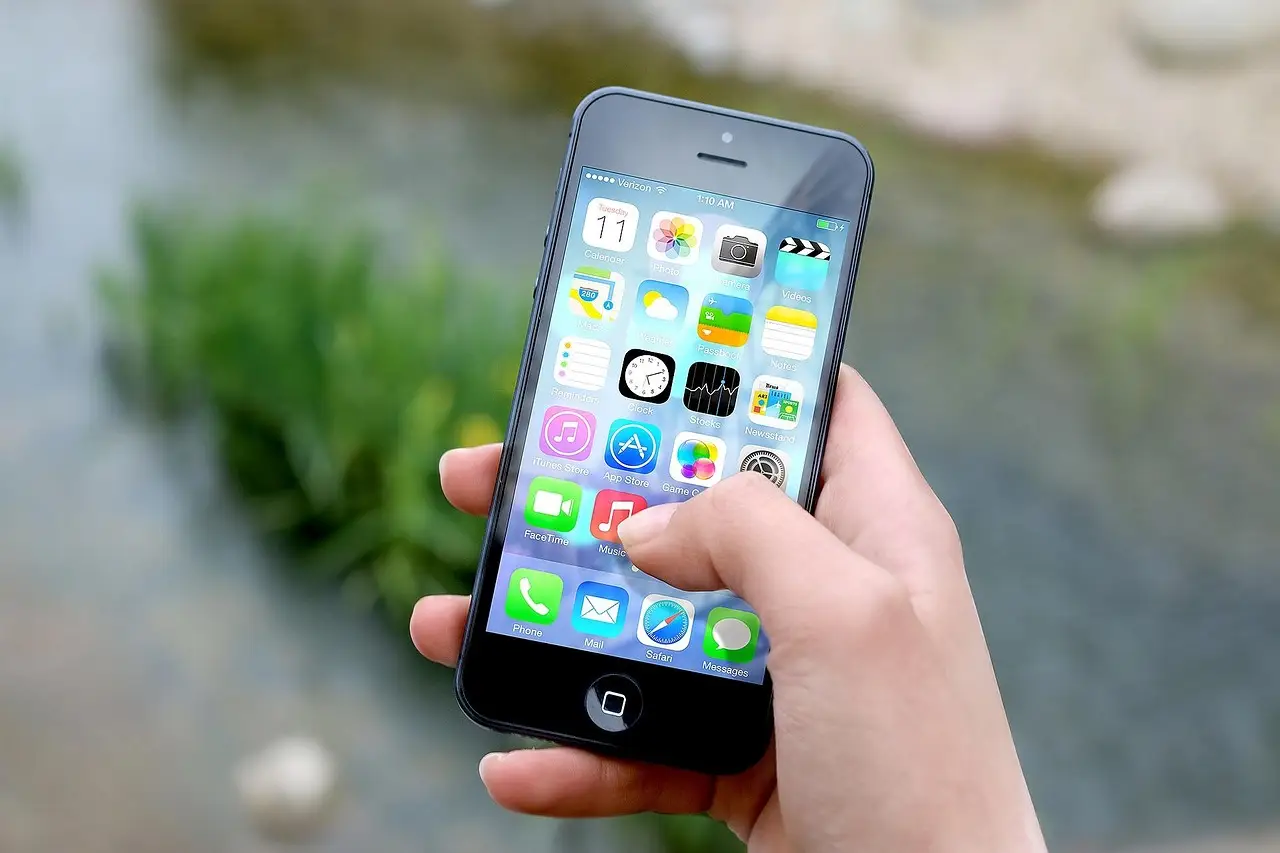
- Reddit users reported that some new iPhones could not be activated; TechCrunch said the issue was likely related to the disruption.
- TechCrunch said no outage in the past week had been attributed to cyberattacks and described the incidents as technical problems.
- The Apple disruption came days after Microsoft cloud services failed, during a week that also included a brief Chase app outage and an ongoing partial NSA network outage.
By Grace Kim
Apple's System Status page said the iCloud Account & Sign In issue affected “all users,” making the service slow or unavailable. The same page listed problems with the App Store, AppleCare on Device and Apple Music.
What did users experience?
Apple's System Status page identified the iCloud Account & Sign In services and warned of slow performance or no access. The App Store, AppleCare on Device and Apple Music also carried service warnings, according to the page. The “all users” label made the scope explicit. It applied to the iCloud Account & Sign In services rather than to a named customer segment.
TechCrunch said the iCloud problem can make an iPhone request an Apple ID and password. Attempts to sign in to other services with the same Apple account information can also fail. On Reddit, some users reported that they could not activate a new iPhone. TechCrunch called that issue likely related to the continuing disruption.
TechCrunch said Apple, like other major technology companies, has faced cloud-service outages and technical issues at other times. It said the current incident is likely more noticeable to end users because iCloud problems can affect account sign-ins.
That account-level reach can make one service failure visible through the iPhone credential prompt and sign-ins to other Apple services. It differs from a problem confined to one app, although TechCrunch did not identify a common cause across the week's incidents.
For affected customers, failed sign-ins and blocked new-iPhone activation remain the practical risks until Apple identifies and clears the fault.
Is a cyberattack behind the disruption?
The cause of Apple's outage remained unconfirmed at publication. TechCrunch noted a rise in AI-driven cyberattacks as of late, and users on social media used that backdrop to speculate about the Apple incident.
Speculation also increased because the Apple incident came only days after Microsoft's cascading software failures, TechCrunch said. Users linked events that occurred close together, but their timing did not establish a shared cause.
TechCrunch said no outage in the past week had been attributed to a cyberattack; the report instead described the incidents as technical problems. It pointed to software failures at Microsoft, Chase and the National Security Agency rather than a confirmed AI-assisted attack.
Social posts supplied suspicion, not a confirmed technical cause. The week's record contained no attributed cyberattack.
What happened elsewhere this week?
TechCrunch described the Apple incident as the latest in a week of technology outages, service disruptions and flight chaos.
Days earlier, technical failures at Microsoft led to the company's cloud systems, which power flagship services like Outlook and Teams, failing because of cascading software issues. The timing renewed concern on social media.
The Microsoft case drew attention because the failures reached Outlook and Teams, which TechCrunch described as flagship services. The report attributed the disruption to cascading software issues rather than a named cyberattack.
A brief outage of Chase's banking app also drew attention during the week. At publication, the National Security Agency's internal classified network remained partly out of service. TechCrunch said both incidents were blamed on software glitches.
For Microsoft, Chase and the National Security Agency, the published explanations all centered on software failures rather than cyberattacks.
What has Apple said?
TechCrunch reported that Apple had not issued a formal statement about the outage. Beyond acknowledging the issues through its System Status page, the company had provided no fuller explanation of the cause or broader impact.
TechCrunch said it had reached out to Apple for comment and had not heard back by publication. The publication said it would update the story if the company responded.
Without a formal company account, the cause and expected recovery time remained outside the confirmed explanation at publication. Customers were left relying on the status page for updates on iCloud sign-in access and the three other listed services.
For Apple, the next concrete milestone is restored iCloud sign-in access and a formal account of the fault, because at publication both service recovery and the cause remained unresolved.
Original: apple.com
More from Grace Kim
Show full bio
Market editor covering people, launches and day-to-day practice in entrepreneurship, startups and venture funding at Business Bearings.
2,301 articles