April Freeze Wiped Out Apple Crops. Growers Are Pivoting or Closing.
April freezes wiped out apple crops across the Midwest and Northeast. With farm costs up 44% since 2018, orchards pivoted to festivals and pumpkins — or closed for the season.
By Daniel Okafor
4 min read
What's News
- April freezes destroyed cherry crops entirely and 90% of peach and nectarine crops at Fishkill Farms in New York, leaving about 60% of its apple crop viable.
- US farm operating costs have risen nearly 44% since 2018, according to the American Farm Bureau Federation.
- US farm debt is forecast to hit $605 billion in 2026, a record.
- New Jersey grower Kurt Alstede said most of his loans carry variable rates, forcing him to borrow more as interest rates rose.
- Big Apple Orchard in Iowa closed for the season after losing nearly all its apples in April.
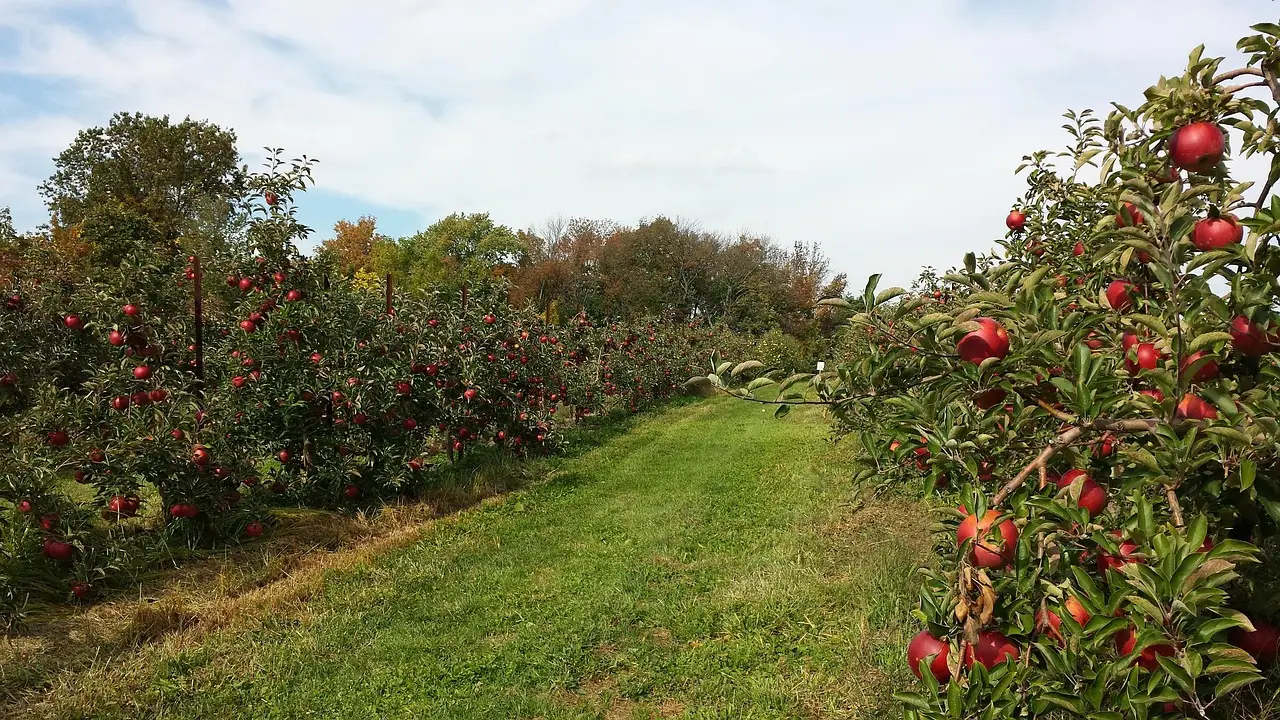
April freezes decimated apple crops from the Midwest to the Northeast, and orchard owners who depend on autumn pick-your-own tourists are now scrambling to stay afloat. New Jersey farmer Kurt Alstede put it bluntly: "Everything is just ugly this year."
The math behind the scramble is stark. The cost of running a farm has climbed nearly 44% since 2018, according to the American Farm Bureau Federation. Add rainy weekends in the Northeast that kept crowds away on key Sundays, and many orchards faced a season with thin crops and thin traffic at the same time.
"As a farmer in New Jersey, I think given everything that's occurred, we can't wait for 2027," Alstede said. "We've had enough of '26."
Why did the freeze hit so hard?
The cold itself is not new. What changed is the frequency. In the past, farms rarely worried about temperatures dropping below 25 degrees during apple bloom. C.J. Walke, orchard program manager at the Maine Organic Farmers and Gardeners Association, said the pattern has shifted.
"Now it's a thing that seems to happen every few years," Walke said.
For Alstede, a first-generation orchard owner, that meant rewriting the visitor script. When summer camps came to tour the orchard, the kids learned about picking pumpkins and vegetables instead of apples. They enjoyed it, but the swap did not replace the lost business. "It's been a tough grind this year," he said.
His assessment of the substitute revenue was direct: "People really want to pick apples, and when you don't have enough apples, there's only so many pumpkins…and other things you can sell."
How did diversified farms respond?
Josh Morgenthau, third-generation owner-operator of Fishkill Farms in New York, lost all his cherries and 90% of his peaches and nectarines to the freeze. Only about 60% of the apple crop remained viable. Facing that hole in summer fruit revenue, Fishkill leaned into live music, wagon rides, and festivals.
"It really made a huge difference, and I credit it with why it's not going to be the worst season ever despite the cards we were dealt," Morgenthau said.
Fishkill has also spread its risk across crops. The farm now grows strawberries, blueberries, cherries, nectarines, and pears, each with different seasons and sensitivities to weather. Morgenthau said that structure makes it "very, very unlikely for all of our crops to fail in one year."
The gamble paid off in October. "The weather in October really turned out beautifully, and we wound up having a pretty decent apple season," Morgenthau said. "I call this season the best bad season possible."
Why can't every orchard pivot?
Diversification has a price tag, and many operators cannot pay it. Some orchards lack the land for extra crops. Others cannot absorb the cost and logistics of building a concert venue or a commercial kitchen on their property.
The financing environment makes transformation harder. American farmers are taking on record debt, with 2026 debt forecast to hit $605 billion, and borrowing has grown more expensive as interest rates rose. Alstede said he has borrowed more money to get through the year, and most of his loans carry variable rates tied to Federal Reserve moves.
For smaller operators, the economics collapse entirely. Monte Marti, who owns Big Apple Orchard in Iowa, closed it for the season after losing almost all his apples in April. The orchard is a hobby that pays dividends in community rather than revenue, he said, and the quiet fall without usual visitors and high school staffers has been hard. He hopes next year brings more apples: "We can't have any less!"
What happens to orchards next?
Jared Buono, director of Cornell's Hudson Valley Research Lab, said apple lovers should support their favorite growers by buying local. Even with freezes and high costs, he argued, the trade still has life in it.
"It's not going anywhere," Buono said, "and the growers are as innovative as ever."
The growers who added festivals and new fruit varieties this year have a template. The ones who borrowed to survive will need a strong 2027 harvest — and a freeze that stays away during bloom — to pay it back.
Source: feeds.businessinsider.com
More from Daniel Okafor
Show full bio
Correspondent covering money, funding and market shifts around entrepreneurship, startups and venture funding at Business Bearings.
1,721 articles