Argentina Loses Bid to Halt 1.7bn-Barrel Falklands Oil Project
ITLOS voted 18-3 to reject Argentina's request to halt the 1.7bn-barrel Sea Lion oil project off the Falklands, saying it cannot rule on sovereignty questions.
By Nathan Brooks
2 min read
What's News
- ITLOS rejected Argentina's claim on Saturday, with 18 judges voting against and 3 for.
- The Sea Lion joint venture holds an estimated 1.7 billion barrels of oil.
- UK attorney general Ellie Reeves warned an injunction would have "devastating consequences" for Falkland Islanders.
- Argentine President Javier Milei has imposed economic sanctions on people and firms involved in Falklands oil exploration.
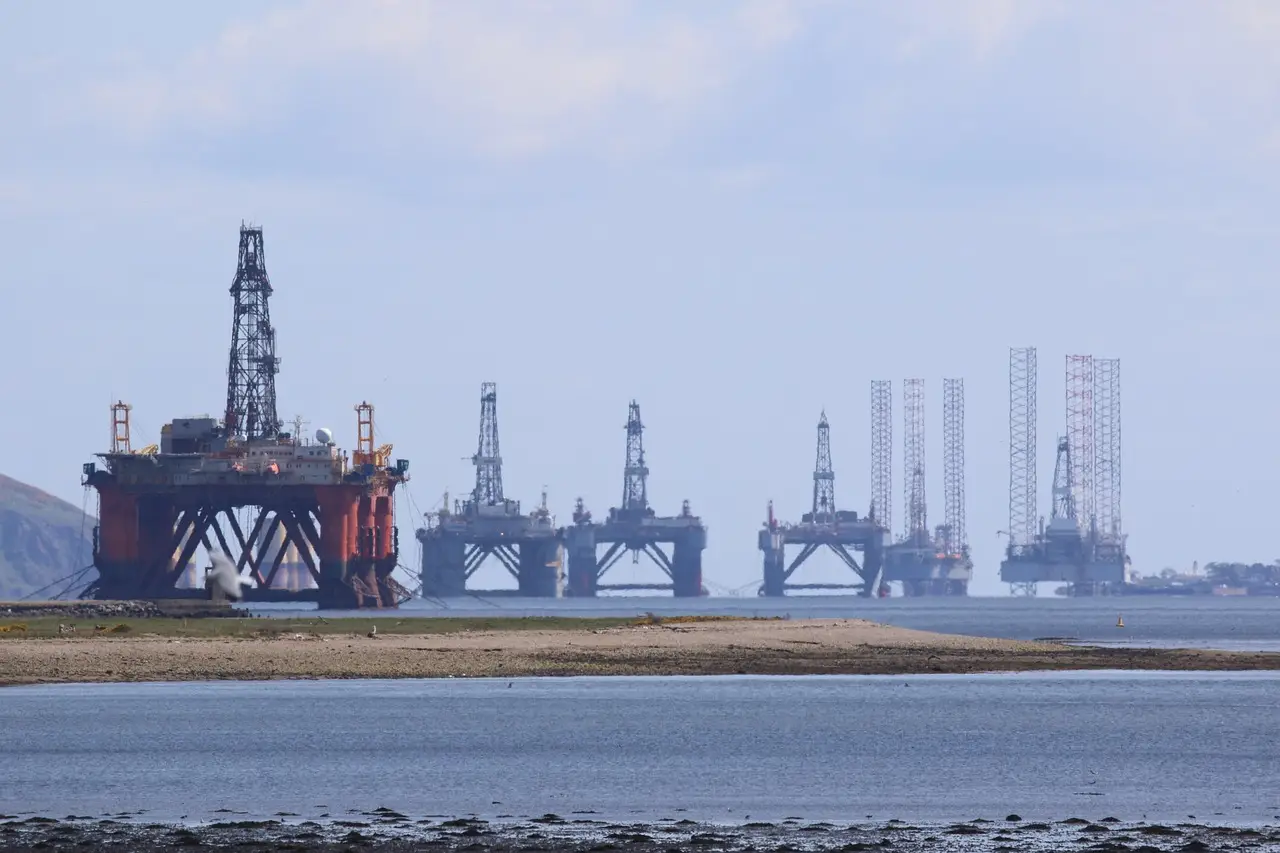
An international tribunal has rejected Argentina's attempt to halt oil drilling off the Falkland Islands, voting 18-3 against Buenos Aires' request to stop the Sea Lion project.
The International Tribunal for the Law of the Sea (ITLOS) delivered the ruling on Saturday, read out by tribunal president Maurice Kamga. The court found no basis for believing it had jurisdiction over the dispute, because the tribunal cannot rule on questions of sovereignty.
Argentina had argued that drilling should not proceed until the sovereignty dispute over the islands was resolved. At a hearing earlier this month, it asked ITLOS to issue a temporary injunction blocking drilling until a full arbitration hearing could take place.
What does the ruling change for the project?
For the companies behind Sea Lion, the decision removes an immediate legal obstacle. The development sits in the South Atlantic Ocean and is a joint venture between British and Israeli companies. Its estimated reserves run to 1.7 billion barrels of oil — a figure that puts it in the heavyweight class of offshore projects.
The Islanders themselves see the stakes in direct economic terms. The UK attorney general, Ellie Reeves, told the tribunal that Argentina's requested order would have had "devastating consequences" for the Falkland Islanders. It would have prevented them from developing their natural resources "as they are entitled to do so, pursuant to their fundamental right to self-determination", Reeves said.
Why the tribunal said no
Kamga's reasoning was procedural rather than substantive. ITLOS ruled it lacks jurisdiction because the tribunal cannot adjudicate sovereignty questions — the very issue at the heart of Argentina's claim over the Falklands, which Buenos Aires calls the Malvinas.
Argentina's sovereignty claim remains fully intact as a political matter. What the ruling removes is one legal avenue for enforcing it against offshore drilling. Notably, three of the 21 judges voted to uphold Argentina's claims, a minority position but a signal the argument wasn't frivolous.
Sanctions and the road ahead
The legal defeat doesn't neutralize Argentina's other pressure tools. Argentinian president Javier Milei has previously described the companies' activities around the islands as unlawful. He has also launched economic sanctions targeting people and firms involved in oil exploration in Falklands waters.
That means operators and their partners still face exposure through Argentine financial and trade measures, even with the tribunal's ruling in their favor. For anyone contracted into the Sea Lion supply chain, the practical takeaway: the injunction risk is off the table, but compliance risk tied to Argentine sanctions stays on it.
The sovereignty dispute itself moves nowhere — and with 1.7 billion barrels at stake, expect Buenos Aires to keep looking for leverage wherever it can find it.
Source: theguardian.com
More from Nathan Brooks
Show full bio
News editor covering regulation, policy and their impact on entrepreneurship, startups and venture funding at Business Bearings.
2,896 articles