AST SpaceMobile's $230.9M Loss Before November 9 Results
AST SpaceMobile posted $31.5 million in Q2 2026 revenue and a $230.9 million net loss. November 9 results will test a TradingView thesis built on Rakuten, Blacklift and 13 BlueBird satellites.
By Olivia Hart
3 min read
What's News
- Q2 2026 revenue was $31.5 million, with a $230.9 million net loss.
- Third-quarter 2026 results are due November 9 after the market close.
- 13 BlueBird satellites are in orbit following June and August launches.
- Blacklift's $1.3 billion Firefly Aerospace agreement targets a reusable launch vehicle's first flight in late 2028.
- More than 60 mobile network operator partners represent potential reach of over 3 billion subscribers.
By Olivia Hart
AST SpaceMobile, Inc. reported $31.5 million of revenue and a $230.9 million net loss in the second quarter of 2026, according to an investment thesis by Tesi Daniela Radice. The third-quarter 2026 results are due November 9 after the market close, according to Radice.
Radice attributes the loss to AST SpaceMobile's early-stage infrastructure investment cycle. On those figures, the net loss was more than seven times quarterly revenue. That gap frames the test: the company is still building its infrastructure and commercial model.
What changed during the past six months?
Radice says AST SpaceMobile has made significant progress over the past six months, expanding both its commercial reach and industrial ambitions. Her thesis sets out four developments:
- Rakuten: A new Japanese joint venture could draw government support of up to $1 billion, according to Radice. The thesis describes that money as potential and provides no support mechanism, conditions, timetable or ownership split.
- Blacklift: A $1.3 billion agreement with Firefly Aerospace covers development of a reusable launch vehicle, with a first-flight target of late 2028. The thesis provides no staged spending plan or contract schedule.
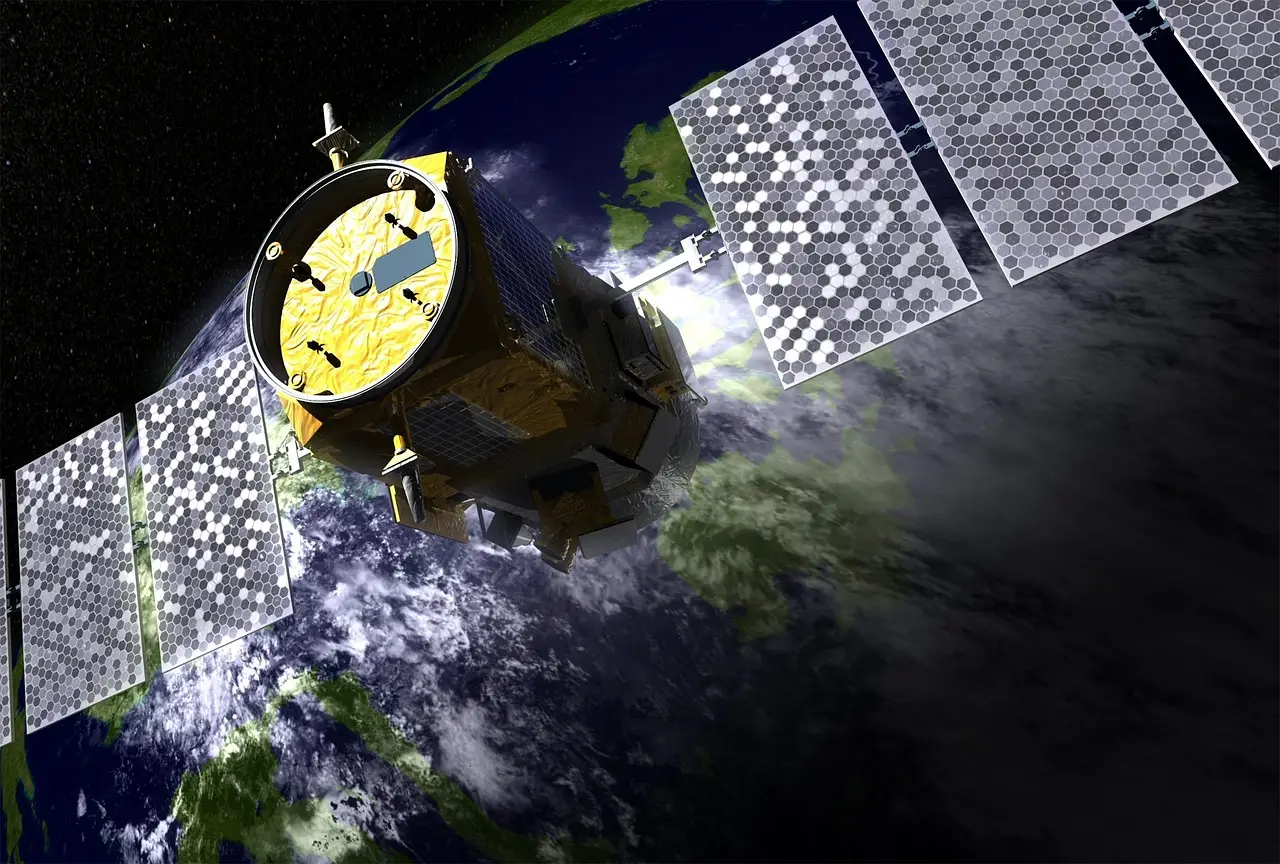
- Satellite deployment: 13 BlueBird satellites are in orbit following the June and August launches, according to Radice. The thesis does not extend that deployment timetable.
- Commercial expansion: More than 60 mobile network operator partners represent potential reach of over 3 billion subscribers, according to Radice. The thesis provides no contracted subscriber total or partnership revenue.
The takeaway: AST SpaceMobile has added reach and launch plans, but the source documents commitments and potential rather than cash returns.
What does the Tesla comparison show?
In the same quarter, Tesla generated $28.24 billion of revenue and $1.11 billion in GAAP net income, according to Radice. Tesla's free cash flow was negative $1.09 billion, which Radice attributes to heavy investment.
Tesla's revenue was roughly 900 times AST SpaceMobile's $31.5 million. Radice uses the comparison to show two different stages: Tesla operates as an established industrial business, while AST SpaceMobile still builds its infrastructure and commercial model.
The benchmark has clear limits. Tesla's negative free cash flow shows that even a scaled operator can absorb heavy investment, but the thesis provides no AST SpaceMobile cash-burn or capital expenditure figures for a like-for-like efficiency test.
The takeaway: Tesla offers a scale reference, not evidence that AST SpaceMobile can match its economics.
Did the 65% sell-off go too far?
ASTS shares previously lost nearly 65% from their May peak, according to Radice. She argues that the market priced in launch delays, competitive threats and execution risks while largely overlooking the long-term infrastructure opportunity.
"Those risks remain real, but recent developments provide further support for the underlying business case," Radice wrote. That conclusion remains an analyst judgment, not a reported financial result. The thesis offers no valuation, discounted cash flow or forecast for the infrastructure opportunity.
The takeaway: Radice calls the sell-off excessive, but the case depends on future execution rather than demonstrated profitability.
What must November 9 show?
Radice identifies five indicators for the third-quarter results: revenue growth, cash burn, capital expenditure, satellite deployment timelines and progress toward commercial service. The partnerships and 13 satellites create possible commercial drivers, but neither measure proves that service revenue is already arriving.
Her chart also marks key technical levels and a main price magnet area. It provides no numerical levels, leaving the trading framework less specific than the operating thesis.
"The long-term opportunity remains substantial, but execution and capital efficiency will ultimately determine whether ASTS can turn its technological advantage into a profitable business," Radice wrote. She adds that the analysis is not financial advice.
Bottom line: Radice's five-point checklist makes November 9 a test of whether revenue, cash consumption and deployment support a profitable path. If commercial progress remains mostly contractual or precommercial, the risks she identifies will outweigh the expansion narrative.
Source: tradingview.com
More from Olivia Hart
Show full bio
Staff writer covering people, launches and day-to-day practice in entrepreneurship, startups and venture funding at Business Bearings.
1,731 articles