At 22, She Runs Raquel Beautiful: A Jewelry Business Built on Inclusion
Raquel Carmello, 22, has run handmade jewelry business "Raquel Beautiful" since age 13. People with disabilities are 1.3x more likely to become entrepreneurs, AEO data shows.
By Nathan Brooks
3 min read
What's News
- Raquel Carmello, 22, started her jewelry business "Raquel Beautiful" at age 13
- Unemployment for people with disabilities is double the rate for those without, per the U.S. Bureau of Labor Statistics
- People with disabilities are about 1.3 times more likely to be entrepreneurs, per the Association for Enterprise Opportunity
- 28% of entrepreneurs identify as having a disability or functional difficulties, per the AEO
- Carmello survived leukemia diagnosed at 12 and has earned degrees and certificates
People with disabilities are roughly 1.3 times more likely to start their own businesses than people without them, according to the Association for Enterprise Opportunity — and Raquel Carmello, a 22-year-old Bay Area entrepreneur with Down syndrome, is one of them.
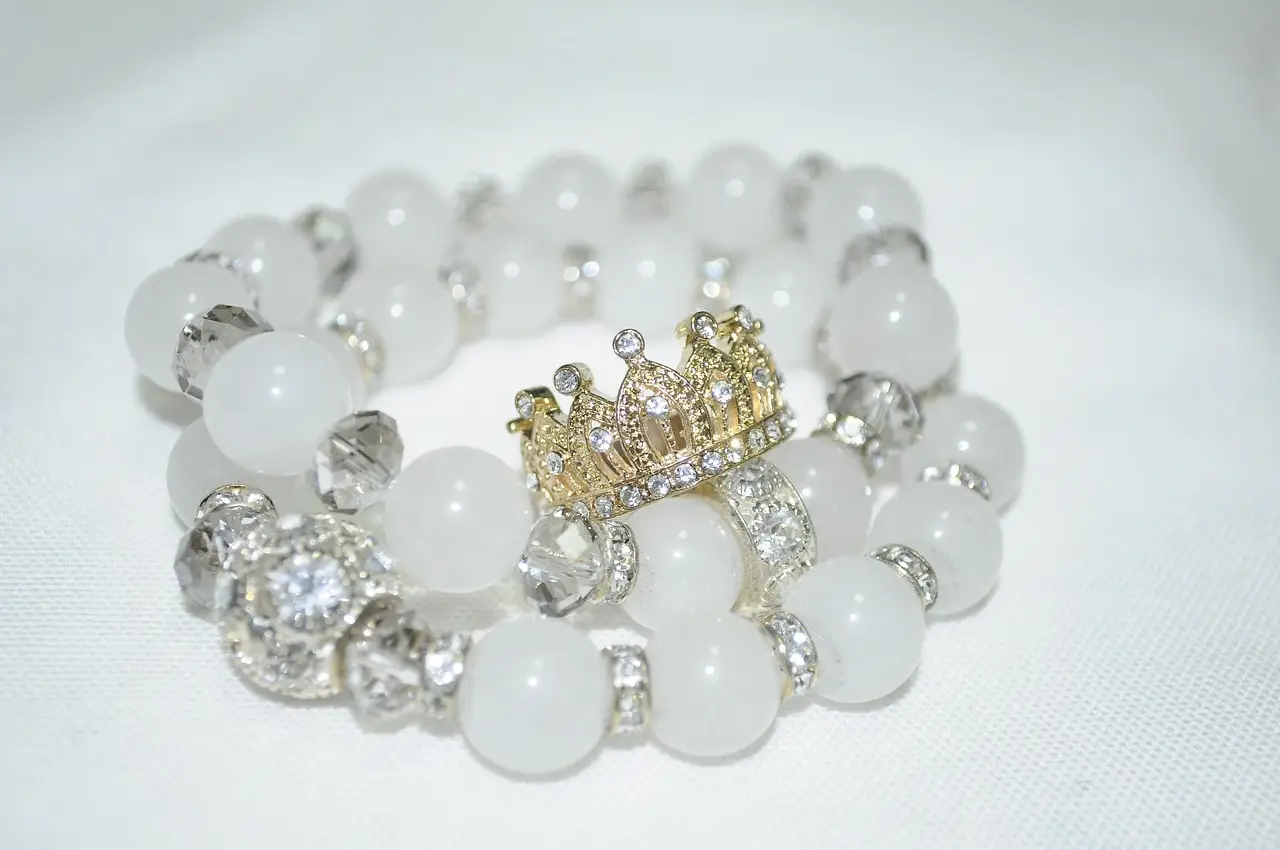
Carmello runs "Raquel Beautiful," a handmade jewelry and keepsake business she started at age 13. She timed her latest push around Disability Employment Awareness Month, using the brand to promote inclusion, confidence and acceptance. Her pieces sell through local boutiques and website orders, and every shipped order includes a handwritten thank-you note.
The work isn't easy, and she doesn't pretend it is. "These are hard to do, but I'm doing it," Carmello said.
What does her story say about disability employment?
The numbers behind her business explain why it matters. The U.S. Bureau of Labor Statistics reports that the unemployment rate for people with a disability is double the rate for those with no disability. That gap pushes many adults with disabilities toward self-employment, and the data suggests they take that path at notably higher rates.
The Association for Enterprise Opportunity offers two reasons: innovation and the barriers built into traditional workplaces. The organization also reports that 28% of entrepreneurs identify as having a disability or experience functional difficulties. That's more than one in four business owners — a segment large enough that mainstream business coverage tends to undercount it.
A founder shaped by early obstacles
Carmello learned to handle hard situations early. Growing up with Down syndrome, she said she was bullied. At 12, she was diagnosed with leukemia. She lost her hair during treatment and faced more bullying as a result.
Her advice to anyone dealing with the same treatment is blunt: "If anyone says you are stupid, just don't listen to them."
Her mother, Janet, said doctors set expectations low from the start — and Raquel spent the next two decades disproving them. "When they gave us the diagnosis and said she had Down syndrome, they said that she won't do any of these things," Janet said. "They said that she would never live independently, that she would never have meaningful employment, that she wouldn't be able to do school through middle school, and she's just broken down every barrier."
Those barriers included education. Raquel has earned degrees and certificates, her mother said, alongside running the business.
"It's just so inspiring," Janet said. "And it's just been just a great honor as a mother to watch. You know, her, her, you know, break those barriers and everything that she has accomplished."
What does the business actually sell?
The collection is handmade jewelry and keepsakes, designed to remind buyers of their value and help them feel beautiful. The distribution model is deliberately simple and local-first:
- Local boutiques carry the pieces
- Customers can order directly through the website
- Shipped orders include a handwritten thank-you note from Carmello herself
That handwritten detail matters for a brand built on personal connection. It turns each order into a one-to-one interaction, something a 22-year-old founder can scale without losing the mission at the core of the business.
The takeaway for practitioners
Carmello's message to customers and to anyone facing pushback is the same: "If anyone knocks you down, just keep going and follow your dreams."
For small-business observers, the story lands at a specific intersection. Disability Employment Awareness Month puts a spotlight on an employment gap — double the unemployment rate — that entrepreneurship is quietly closing. With 28% of entrepreneurs identifying as having a disability, founders like Carmello aren't an exception to watch. They're a measurable share of the small-business economy, and one that buyers can support directly through a boutique purchase or a website order.
Source: GN: Entrepreneurship
More from Nathan Brooks
Show full bio
News editor covering regulation, policy and their impact on entrepreneurship, startups and venture funding at Business Bearings.
1,272 articles