Bay Area Runs 600 Radiologic Technologists Short as AI Fails to Kill the Job
The Bay Area employs 2,920 radiologic technologists, about 600 short of expected staffing. UCSF now pays $15,000 per trainee through an 18-month academy to close the gap.
By Grace Kim
4 min read
What's News
- The Bay Area has about 2,920 radiologic technologists, roughly 600 fewer than expected for its labor market size, per Lightcast data.
- UCSF's 18-month Radiologic Technologist Training and Leadership Academy costs $15,000 per trainee, fully covered by UCSF, plus $2,000-$4,000 in wraparound support.
- Radiologic technologists earn a regional median of about $142,000 without requiring a bachelor's degree.
- Geoffrey Hinton said in 2016 that people should 'stop training radiologists now' because AI would soon outperform them.
- Ridgeline's HealthX program brings 50 students from 15+ high schools through five months of paid career exploration, with a 95% completion rate.
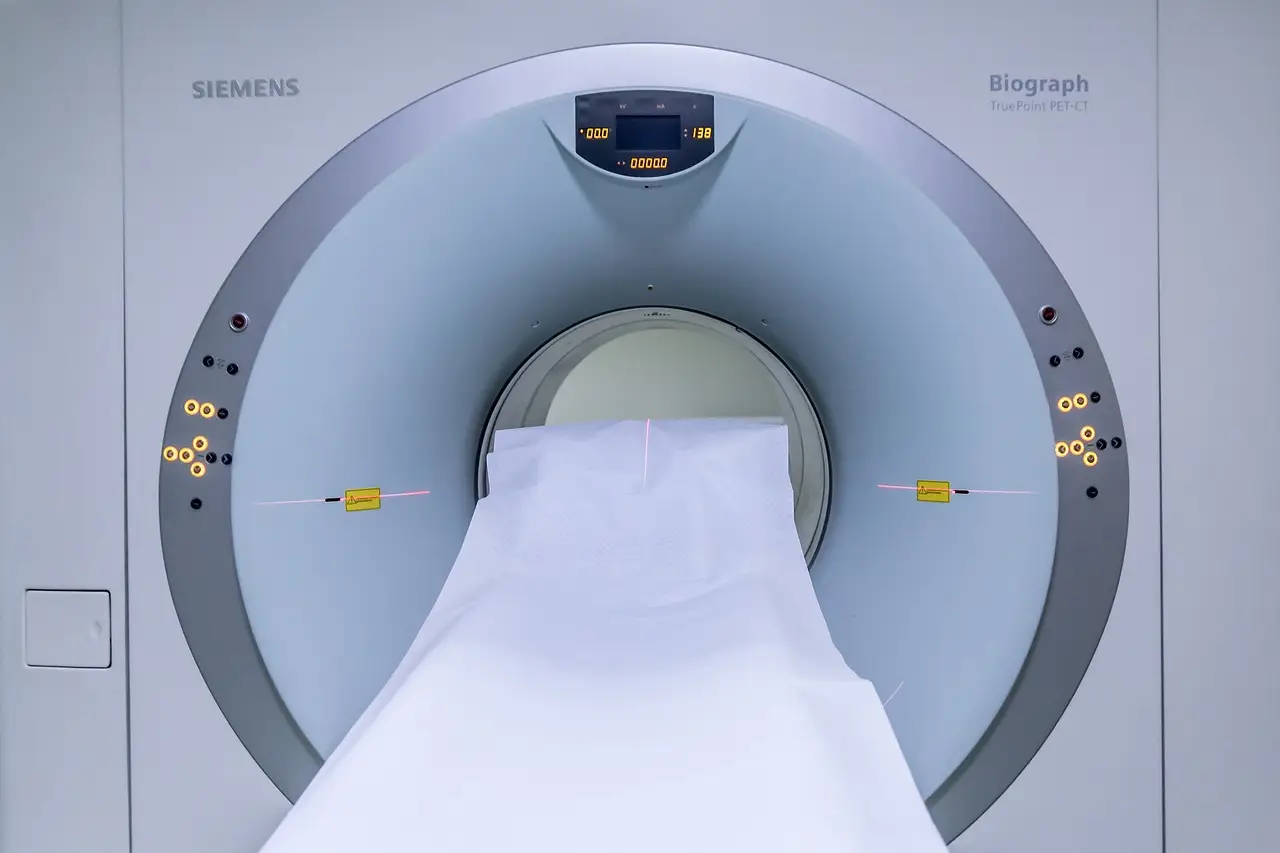
The Bay Area has roughly 600 fewer radiologic technologists than a labor market its size should employ, according to Lightcast labor market data. That's the region around 2,920 rad techs short of staffing needs — a decade after AI pioneer Geoffrey Hinton said in 2016 that people should "stop training radiologists now" because algorithms would soon read medical images better than doctors.
Radiologists are still in demand. Health systems now struggle to staff the imaging teams around them. The occupation survived AI. What's disappearing is the entry path.
How big is the shortage?
The numbers from Lightcast stack up fast:
- The Bay Area employs about 2,920 radiologic technologists — roughly 600 below the expected level for a market its size.
- Over the past year, the region saw roughly one hire for every four job postings.
- About 600 of the region's rad techs are 55 or older, thinning the long-term supply.
The pressure won't ease on its own. The Bay Area is aging rapidly, which raises healthcare demand at the same time patients increasingly expect timely access to sophisticated diagnostic services. In short: more patients, fewer people to scan them.
What is UCSF doing about it?
The University of California, San Francisco, one of the Bay Area's largest healthcare employers, is attacking the gap from inside its own workforce. Employees who start in roles such as medical assisting or practice coordination can move into higher-skilled occupations through the Radiologic Technologist Training and Leadership Academy — an 18-month diagnostic imaging program launching its first cohort this year.
The program prepares candidates for American Registry of Radiologic Technologists (ARRT) certification. The cost is $15,000 per trainee, and UCSF covers all of it. Eligible employees get tuition waivers, salary subsidies and flexible schedules so they can train without leaving their jobs. Trainees pay nothing beyond meals and parking, and can draw on $2,000 to $4,000 in wraparound support depending on need.
The payoff for the occupation itself is concrete: radiologic technologist pays a regional median of about $142,000 without requiring a bachelor's degree. Most people never realize it's an option until they've committed to another track.
Who is building the earlier pipeline?
Ridgeline, a Bay Area nonprofit, runs a program called HealthX that brings 50 students from more than 15 high schools into five months of paid, hands-on work exploring patient care, medical imaging and emergency services. A teenager who knows they want to help people usually can't tell you what separates a medical assistant from an EMT from a radiologic technologist. These students find out before committing years and tuition dollars to a path.
The results so far:
- 95% of Ridgeline students complete the program.
- Every participant earns a Basic Life Support certification.
- 98% say they leave with a clearer sense of their career goals.
- Most continue their education in high school, certification programs, community college or four-year universities.
The individual stories track the same arc. One student, Bryan, works as a lab research assistant at UC Berkeley while studying psychology and neuroscience. Another, Valeria, moved from a retail job to a behavior technician role while completing her radiology technology coursework. Some students continued with Ridgeline to become certified nursing assistants while working toward nursing degrees.
What does the full route look like?
UCSF and Ridgeline are now connecting the two ends into a single route: from HealthX through programs like the academy, starting before a teenager picks a college or major and leading toward a specific, in-demand occupation employers are actively trying to fill.
The model itself is not mysterious, the authors argue. The recipe:
- Start with real jobs and map backward.
- Introduce students to careers early.
- Pool talent across high schools so employers can participate at meaningful scale.
- Provide paid work-based learning.
- Connect education directly to credentials and jobs.
- Combine public, philanthropic and employer funding so the pathway lasts.
No single employer or school can build that path alone. If AI keeps absorbing the routine work beginners once learned on, preparation has to start well before the first job.
What's the takeaway for the AI-jobs debate?
The radiology prediction should make forecasters humble about guessing which jobs AI will erase. But it should also make them less complacent about something controllable: who gets prepared for the jobs technology leaves, changes and creates. The regions that come out ahead won't simply be those with the best-ranked schools or the biggest employers — they'll be the ones that build the strongest connections between them.
Source: fortune.com
More from Grace Kim
Show full bio
Market editor covering people, launches and day-to-day practice in entrepreneurship, startups and venture funding at Business Bearings.
2,712 articles