Bedrock Robotics Raises $600M, Reaches $4.1B Valuation
Bedrock Robotics raised $600 million at a $4.1 billion valuation. The Series C will fund more autonomous excavators, field operations and infrastructure for nationwide deployments.
By Amara Osei
4 min read
What's News
- $600 million Series C financing valued Bedrock Robotics at $4.1 billion post-money
- Nearly $1 billion in total funding since the company's 2024 founding
- Paid autonomous excavator work began on active construction sites in August 2026
- Bedrock's customer base more than doubled since 2025
- Construction employers need approximately 1.7 million skilled-trade positions annually through 2035
By Amara Osei
Bedrock Robotics said it raised $600 million in Series C financing at a $4.1 billion post-money valuation as the San Francisco company expands autonomous construction equipment across U.S. job sites. CapitalG and Emergence Capital co-led the round, according to Bedrock.
Bedrock said the financing brings its total funding to nearly $1 billion. US Innovative Technology Fund, Bessemer Venture Partners and Temasek joined existing backers 8VC, Georgian, Valor Equity Partners, Xora, Eclipse, Perry Creek Capital and NVIDIA.
What has Bedrock proved on active job sites?
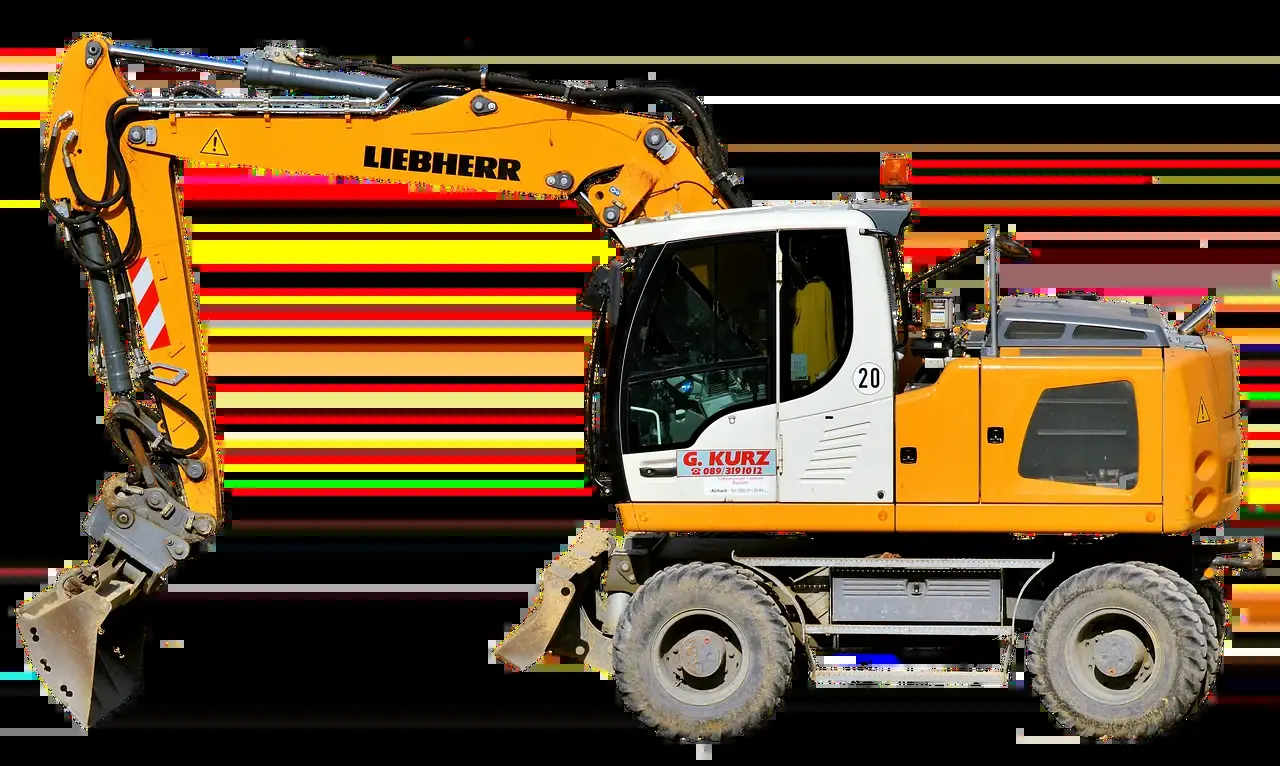
Founded in 2024 by former Waymo engineers, Bedrock develops autonomous systems that retrofit existing heavy equipment, beginning with excavators. The company said its fully autonomous excavators began performing paid work on active construction sites in August 2026, marking its first commercial milestone.
Boris Sofman, co-founder and Chief Executive Officer of Bedrock Robotics, said: “We have proven that fully autonomous excavators can perform real work of value alongside the crews and workflows already in place on job sites.”
He added: “The next challenge is delivering that capability to more contractors as a dependable part of how projects get built.”
Bedrock said the capital will fund additional autonomous machines, expanded field operations and infrastructure for contractors nationwide. The company will also develop partnerships that integrate autonomous equipment into everyday construction activities.
Which contractors are adopting the machines?
Bedrock said its customer base has more than doubled since 2025 as construction companies evaluate autonomous earthmoving and infrastructure equipment. Haydon, a Tempe, Arizona-based employee-owned general contractor, is deploying Bedrock's technology at a remote construction site in Texas.
The deployment covers fully autonomous earthwork operations, with plans to expand across building and heavy civil construction projects. Haydon operates in advanced manufacturing, transportation, water and wastewater infrastructure, data centers and healthcare facilities.
Bedrock and Haydon also plan to evaluate trenching operations and automation of larger equipment models. Katie Haydon, Chief Executive Officer and Chair of Haydon, said: “For us, the biggest win is a safer, more predictable job site.”
She added: “Bedrock's technology helps us work more efficiently and take on more of the work our communities need, without placing additional strain on our crews.”
Where does Bedrock expand next?
Bedrock said it has added customers across several U.S. regions. The company named:
- Wagner Construction in Minnesota
- Smith Trucking Company in Florida
- B&S Site Development in Virginia
- Native Excavating in Colorado
- Clarkson Construction in Missouri
- C.W. Matthews in Georgia
- Selected ArchKey Solutions projects in Arkansas
Bedrock said the agreements extend its presence beyond earlier operations in the West and Central South into the Midwest and South Atlantic. The company said the expansion supports its transition from early deployments to a broader national operating model.
Can automation ease the skilled-labor gap?
Citing industry research, Bedrock said employers across skilled trades must fill approximately 1.7 million positions annually through 2035. The openings cover retirements, career changes and workforce growth.
Bedrock also cited survey findings showing that 87% of construction firms have openings for hourly craft positions. Another 88% said filling those roles is as difficult or more difficult than a year earlier.
Bedrock said contractors are evaluating autonomous equipment to increase equipment utilization, address skilled-labor shortages and improve project scheduling. The company positions the machines as a way for existing crews to increase productivity and manage additional projects without proportionally expanding their workforce.
The systems are designed to work alongside construction personnel and established job-site workflows. Contractors do not need to replace their existing equipment fleets, Bedrock said.
CapitalG General Partner Derek Zanutto said the transition from technical development to paid autonomous operations demonstrated Bedrock's ability to commercialize robotics in a demanding industrial environment. He described construction as foundational to major U.S. economic and industrial ambitions.
Emergence Capital General Partner Jake Saper said the investment reflects the potential for physical AI systems to address workforce constraints in industries dependent on skilled labor and heavy equipment.
Who will manage the scaling?
Bedrock named Amy Jones Satrom as Vice President of Operations. She previously deployed complex physical systems at Amazon, Nuro and Uber.
The company also appointed Lando Juarez as General Counsel after he served as Head of Legal for Uber's Autonomous Mobility & Delivery business. Juarez worked on commercial partnerships and regulatory frameworks supporting driverless-vehicle deployments across multiple markets.
Bedrock said the appointments strengthen its operational and legal capabilities as it expands the customer network and increases the number of autonomous machines working on construction sites.
What must Bedrock prove as it scales?
Bedrock said its technology applies the founding team's Waymo autonomous-driving experience to the distinct operating conditions of construction environments. Initially focused on retrofitting excavators, the company plans to expand its systems into additional equipment categories and construction tasks.
Bedrock's long-term strategy calls for mixed fleets of autonomous construction equipment capable of coordinating tasks across job sites. The $600 million financing will also fund field support, customer relationships and operational infrastructure required for wider commercial adoption.
Bedrock's next test is whether it can turn its August 2026 paid deployments into sustained national operations while extending beyond excavators to additional equipment classes and tasks.
Source: GN: Venture Capital
More from Amara Osei
Show full bio
Senior reporter covering companies, deals and strategy in entrepreneurship, startups and venture funding at Business Bearings.
1,216 articles