Billionaires Are a Threat to Democracies, Paris Summit Warns
A Paris summit of officials and economists, including four Nobel laureates, warns that billionaires threaten democracy; 3,000 households now hold wealth equal to 17% of global GDP, and Sanders demands a wealth tax.
By Olivia Hart
4 min read
What's News
- The richest 0.0001% — about 3,000 households — now hold wealth equal to 17% of global GDP, up from 3% in 1987, per summit figures.
- The Paris 'Summit Against International Oligarchy' drew elected officials and economists including four Nobel prize winners.
- The US has a record 989 billionaires, including 15 of the top 20 worldwide, according to Sanders.
- Sanders's Fight Oligarchy tour drew more than 340,000 people across 27 states.
- Sanders calls for a billionaire wealth tax, Medicare for All and a $20 minimum wage.
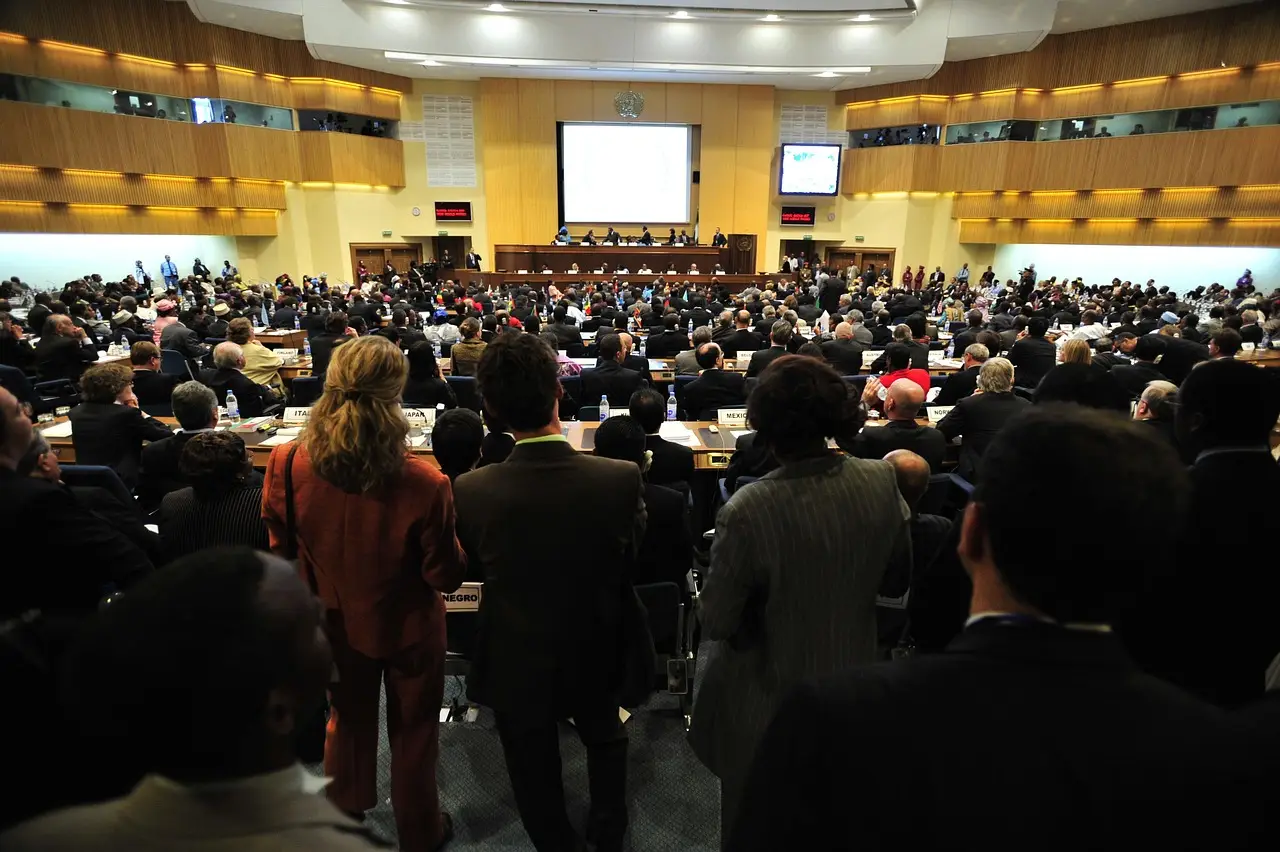
Three thousand households — the richest 0.0001% of humanity — now control wealth equal to 17% of global GDP, up from 3% in 1987, according to figures cited at this week's "Summit Against International Oligarchy" in Paris. The gathering brought together elected officials and economists from around the world, including four Nobel prize winners, under a proclamation that minced no words: "The explosion of extreme wealth is the major social fact of our time … We are sounding the alarm: billionaires are a threat to our democracies."
US Senator Bernie Sanders, the Vermont independent and ranking member of the Senate health, education, labor and pensions committee, endorsed the alarm in a new essay. He wrote that "never before in human history have so few people held so much wealth and so much power," and called the moment a turning point for democratic governments.
How concentrated is the wealth, according to the summit's numbers?
The data Sanders draws from the summit paints a picture of accumulation without modern precedent:
- The top 1% of the world owns more wealth than the bottom 95% of humanity.
- In the United States, the top 1% owns more wealth than the bottom 93%, and Elon Musk alone owns more wealth than the bottom 53% of American households.
- In Russia, the wealthiest 500 people control more wealth than the bottom 99.8% of the population.
- In France, 53 billionaires own more wealth than the bottom half of the country, while more than one in five children live in poverty.
- In Africa, four men own more wealth than the bottom 50% of the continent — roughly 850 million people, by Sanders's account, have struggled with food insecurity in recent years.
In short: a few thousand individuals now command resources on the scale of medium-sized economies.
What does Sanders say causes the political damage?
Sanders argues the problem goes beyond income and wealth gaps. He points to oligarchs' control over the global economy and much of the media — over "what people see, hear and read" — and to trillions of dollars stashed in offshore tax havens while children in those oligarchs' home countries go hungry.
His political thesis is blunt. "If people no longer believe that their government is responding to their needs, many of them will give up on democracy and move towards authoritarianism," he writes. He cites not only Trumpism in the United States but the growth of extreme right-wing parties in Germany, France, the UK and elsewhere.
The voter calculus he describes is economic at its root: a job shipped overseas, an automated factory, a 25% credit card interest rate, no dignified retirement, and children facing a lower standard of living — "all while the top 1% have never, ever had it so good." Skeptics will note these are argument, not verified household balance sheets; the essay presents them as the lived backdrop to the authoritarian drift.
What did Sanders do about it last year?
He organized, along with other progressives, the Fight Oligarchy tour, which he says brought out more than 340,000 Americans across 27 states. That figure — roughly one turnout per state at a large-arena scale — is the strongest organizing evidence in his essay, though turnout counts came from his own account rather than an independent tally.
What does he want Congress to do?
Sanders frames the United States as the pivotal actor. As the country with the most billionaires — a record 989, including 15 of the top 20 — he argues Washington cannot continue what he calls "the failed status quo policies." His agenda, aimed at a new Democratic majority in Congress, includes:
- A wealth tax on billionaires to reduce child poverty, build affordable housing, protect seniors and invest in working families.
- Medicare for All, guaranteeing healthcare as a human right.
- A minimum wage of at least $20 an hour and passage of the Pro Act to ease union organizing.
- Strengthened public education and higher education open to all regardless of income.
- Ensuring AI and robotics benefit working families rather than "a handful of big tech oligarchs."
- Expanded Social Security with the taxable-income cap scrapped, plus restored defined-benefit pensions.
Each pledge carries a caveat Sanders himself supplies: nothing here passes without a fight against what he calls "a powerful, greedy and corrupt ruling class," and he concedes tepid half-measures will not suffice.
What happens next?
The Paris summit has now put a number — 3,000 households holding 17% of global GDP — at the center of a global policy debate, and Sanders has attached a legislative program to it. Whether the new Democratic majority he addresses acts on any of it, from the wealth tax to the $20 wage floor, will determine whether the proclamation's alarm moves from rhetoric to law.
Source: theguardian.com
More from Olivia Hart
Show full bio
Staff writer covering people, launches and day-to-day practice in entrepreneurship, startups and venture funding at Business Bearings.
2,776 articles