Booking Holdings puts $100M behind Seattle AI travel startup Vayo
Booking Holdings has committed $100 million to Vayo, a Seattle-based AI travel startup. The investment marks the parent of Booking.com and Priceline's most concrete generative-AI bet outside its existing portfolio of consumer brands.
By Nathan Brooks
3 min read
Updated
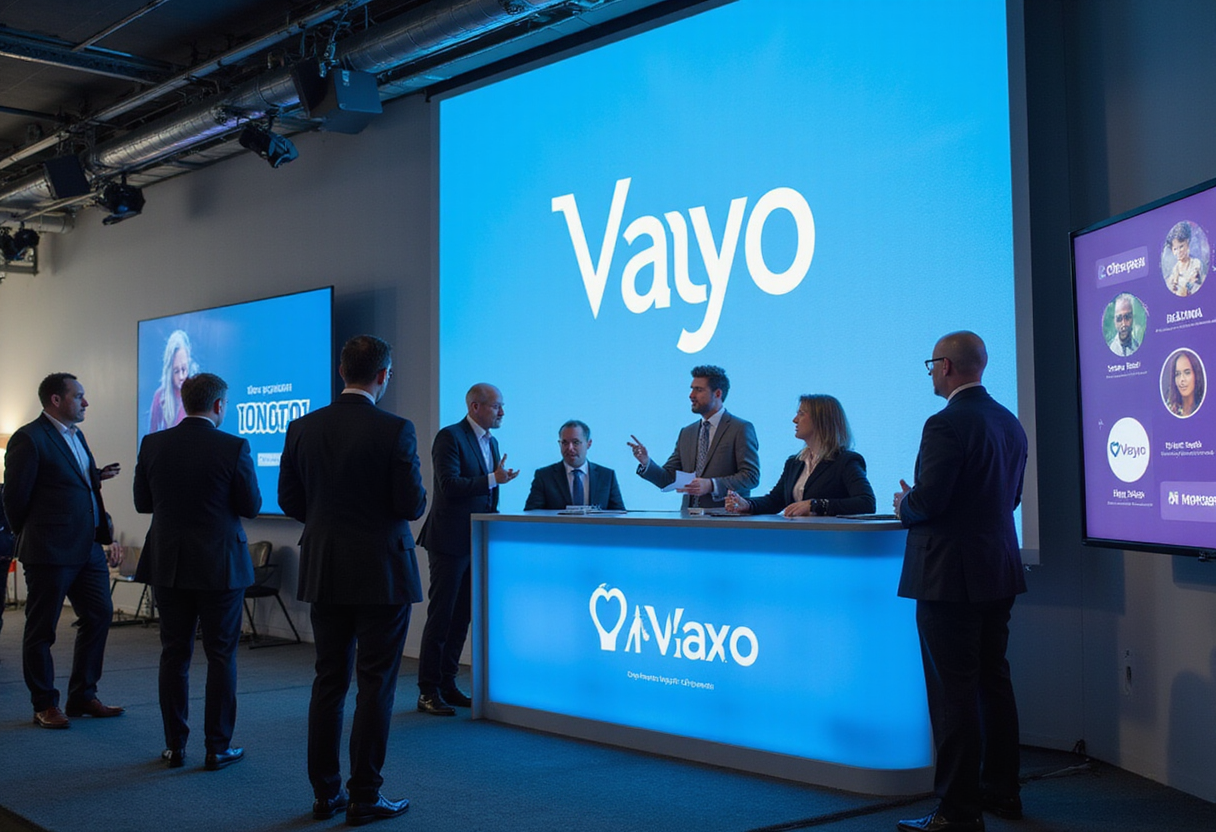
What's News
- Booking Holdings disclosed a planned $100 million investment in the new venture
- The startup is named Vayo
- Vayo is headquartered in Seattle
- Vayo is focused on AI applications for travel
- Booking Holdings owns Booking.com, Priceline, Kayak, Agoda and OpenTable
Booking Holdings commits $100M to new Seattle-based AI travel startup Vayo
Booking Holdings has earmarked $100 million for a Seattle-based artificial-intelligence travel startup called Vayo, the company's first publicly disclosed AI-focused build outside its portfolio of established brands.
The dollar figure makes Vayo the most concrete AI commitment from the parent of Booking.com, Priceline, Kayak, Agoda, and OpenTable since the start of the generative-AI cycle. The investment also places the new venture directly in Amazon and Microsoft's backyard, where competition for machine-learning engineers has pushed compensation packages well past the median for the broader tech sector.
For travel-industry practitioners, the practical question is whether Vayo becomes a research lab absorbed into the Booking Holdings stack or a standalone product company that competes for the same travelers the parent company's brands already serve.
What we know from the launch
Booking Holdings named the company Vayo, anchored it in Seattle, and committed $100 million in planned investment. Those three facts comprise what the company has disclosed publicly so far.
The scarcity of detail itself is meaningful. Booking Holdings typically underwrites experimental bets through quiet R&D lines rather than splashy launch events. Pulling Vayo forward into a named, geography-specific entity suggests the company wants Vayo's identity to carry weight in recruiting conversations, not just in internal portfolio reviews.
Why Seattle, in plain terms
Seattle concentrates senior AI talent because Amazon, Microsoft, and the Allen Institute for AI all operate large model-development teams there. Vayo's hiring pitch to candidates is direct: a well-funded travel-specific AI lab inside one of the few U.S. metros where machine-learning engineers rarely have to relocate.
The choice also signals that Booking Holdings is willing to build outside its traditional Amsterdam-Norwalk-London engineering axis. For practitioners tracking where AI product teams sit inside major online travel agencies, Vayo adds another North American AI office alongside Expedia, Airbnb, and Google Travel's existing Seattle footprint.
What changes for hotels, DMOs, and connectivity partners
Hotel revenue managers, chain distribution heads, and destination marketing organizations should treat Vayo as a leading indicator rather than a current partner. If Vayo ships a consumer-facing booking agent, it will pull demand away from both Booking.com and the independent AI tools that hotels already pay for under SaaS contracts.
The risk for hoteliers is fragmentation. Every new conversational entry point duplicates inventory feeds, rate-loading infrastructure, and customer-support workflows. The opportunity is simpler pricing if a Vayo-style AI intermediary consolidates shopping into a single chat surface.
DMO teams running co-op campaigns should also flag Vayo on their watchlists. Conversational agents compress the role of the search-engine results page, which means the SEO and SEM playbook destinations have run for a decade may need a rewrite if travelers begin asking an AI agent for itinerary suggestions rather than clicking through destination websites.
The Booking Holdings portfolio logic
Vayo enters a market where Hopper already operates price-prediction AI, where Kayak has rolled out natural-language search, and where Airbnb has been steadily embedding AI into host and guest workflows. Booking Holdings' $100 million commitment gives Vayo a war chest bigger than most independent travel-AI startups raise in a full venture round.
Whether Vayo integrates into existing Booking Holdings brands or operates as a sister property will define its commercial trajectory. Watch the first product announcement and the first hiring announcements for telltale signs, because those two signals will tell the market whether Vayo is research infrastructure or a revenue product.
For Booking Holdings shareholders, the practical read is that management is willing to fund speculative AI builds at the margin in order to keep optionality in the next platform shift. That posture matters more than the dollar amount itself.
A first product reveal from Vayo will tell the rest of the story.
Source: GN: Venture Capital
More from Nathan Brooks
Show full bio
News editor covering regulation, policy and their impact on entrepreneurship, startups and venture funding at Business Bearings.
823 articles