Brick Night Hits Market at $129 to Block Apps in Your Bedroom
Brick Night, launched Oct. 22 at $129, uses Bluetooth to auto-block apps when users enter their bedroom — tackling pre-bed scrolling that raises insomnia risk by 59%.
By Grace Kim
3 min read
What's News
- Brick Night launched Oct. 22 at $129, Brick's second product since its September 2023 debut.
- The device blocks chosen apps via Bluetooth when a phone enters a room, covering spaces up to 25 x 25 feet.
- One hour of phone use in bed increases insomnia risk by 59%, per Frontiers research from March 2025.
- 45% of adults tried to cut smartphone use in the past year; 58% among those under 50, per September Pew Research.
- 87% of Americans sleep with phones in the bedroom, studies have found.
Brick Night, a $129 Bluetooth device that automatically blocks distracting apps when you enter your bedroom, went on sale Oct. 22 on the Brick website. It's only the second product from Brick, the company behind the NFC-enabled productivity tool that launched in September 2023.
The original Brick works by tap: users touch their phone to the device to lock a list of apps. Brick Night removes even that step. Users pick the apps they want blocked, set a duration, and the device handles the rest. Once it detects the phone nearby, those apps become inaccessible for the chosen amount of time.
Why the bedroom?
"After years of using Brick and talking with the people who use it, we've seen that boundaries work best when they're built into your life," Brick Co-founder TJ Driver told Fast Company. "A natural next step was protecting physical spaces, so Brick Night builds on that foundation by automatically blocking distracting apps when you're in your set space."
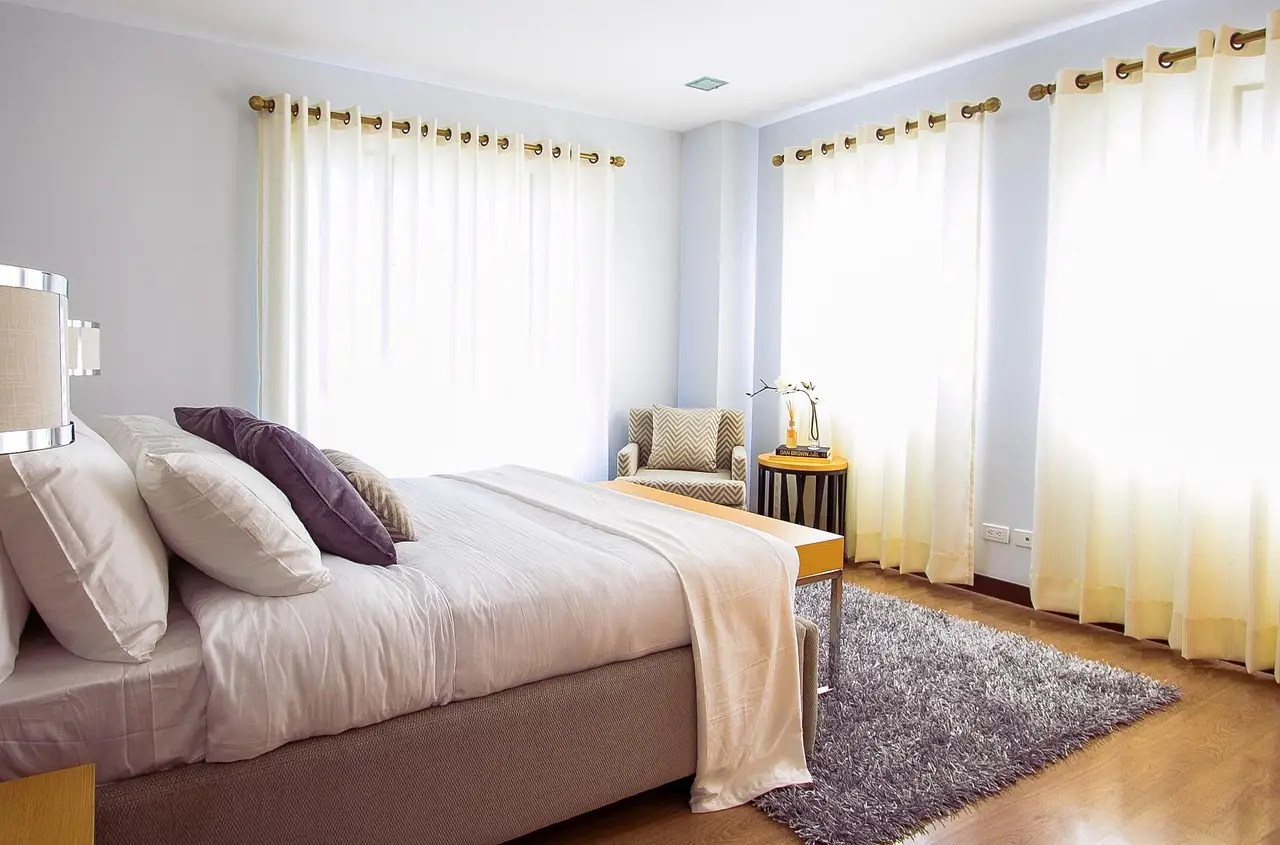
The device can lock apps in any room, but Driver called the bedroom "the clear place to start."
The health case is stark. Around 87% of Americans sleep with their phones in the bedroom, according to studies, and research published by Frontiers in March 2025 found that just one hour of phone use in bed raises the risk of insomnia by 59%.
The demand is measurable, too. A Pew Research survey released in September found 45% of adults tried to reduce their smartphone use in the past year. Among people under 50, that number climbs to 58%. And 41% of respondents said their smartphone hurts the amount of sleep they get.
What the device keeps — and what it cuts
Driver is clear that phones aren't banned outright. "Our phones do have real uses in the bedroom, like alarms, important calls, and audio to wind down, but they also pull us into work, scrolling, and notifications. Brick Night builds the boundary into the room itself," he said. "You keep what you need, and you stick to a distraction-free routine every night without having to remember anything."
The hardware specs are modest but practical:
- Slightly larger than the original Brick
- Midnight blue colorway
- Supports multiple users
- Covers a space up to 25 x 25 feet
Can a physical device beat willpower?
Brick's core pitch has always been friction: making distraction harder than succumbing to it. The first product built that friction around a deliberate tap. Brick Night builds it around geography — walk into the room, and the boundary activates on its own.
That shift matters for retention. App blockers live on the same screen they're trying to lock down, and users can usually override them. A $129 physical device that fires automatically, no decision required, is a harder boundary to argue with at 11 p.m.
Whether consumers will pay hardware prices for willpower is the open question. But with 58% of adults under 50 actively trying to cut screen time, Brick is betting the bedroom is where that market sleeps.
Original: sleepeducation.org
More from Grace Kim
Show full bio
Market editor covering people, launches and day-to-day practice in entrepreneurship, startups and venture funding at Business Bearings.
1,210 articles