California Blocks Insurers From Dropping 50,000 Policies After Dove Fire
Commissioner Ricardo Lara barred insurers from dropping or refusing to renew 50,000 policies for one year after Gov. Newsom's Oct. 15 Dove Fire emergency declaration.
By Daniel Okafor
3 min read
What's News
- California banned cancellations and nonrenewals for 50,000 residential policyholders for one year after the Dove Fire.
- The moratorium covers 15 ZIP codes in Tuolumne, Stanislaus and Calaveras counties, regardless of suffered losses.
- Gov. Gavin Newsom declared the emergency on Oct. 15; notices issued on or after that date must be rescinded.
- Wildfire moratoriums protected more than 1.2 million homeowners in 2025 and over 4 million since the 2019 law.
- The order also covers HOAs, apartment complexes, condo associations, student housing and senior living facilities.
By Daniel Okafor
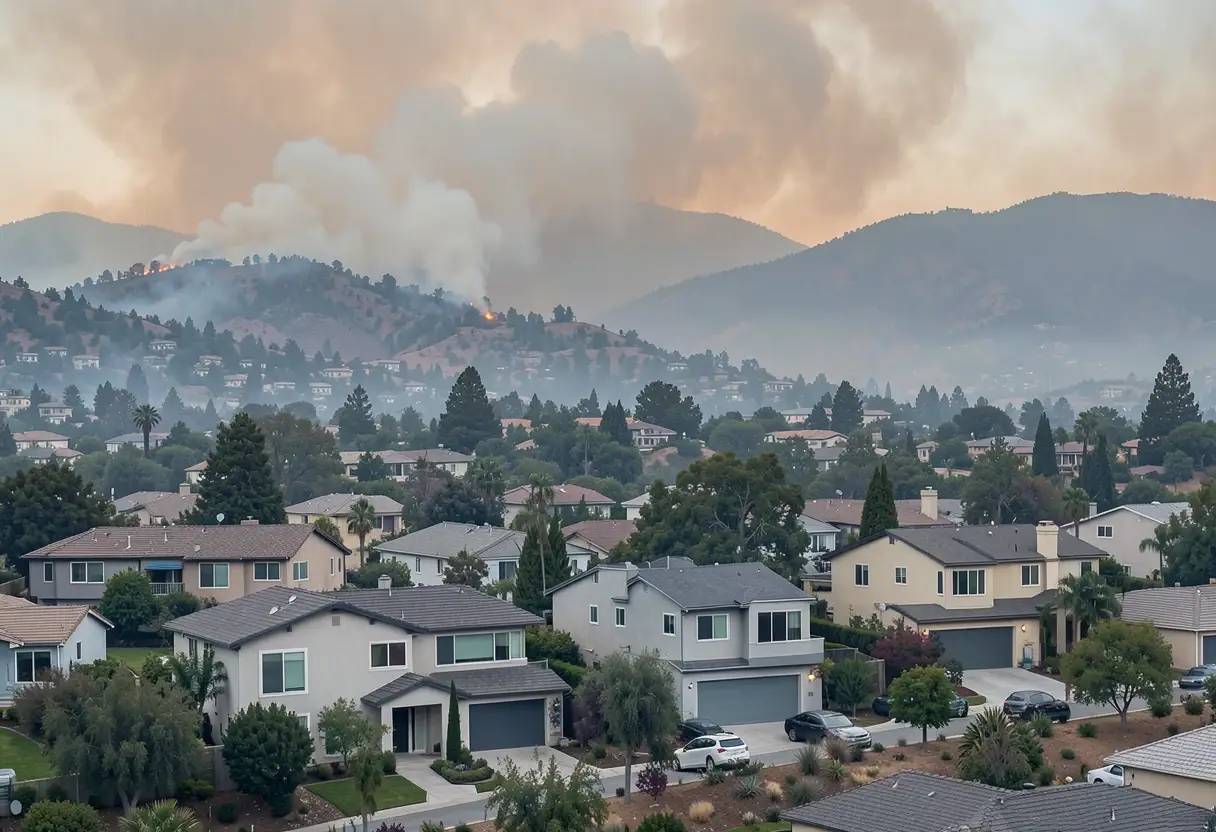
California has barred insurers from canceling or refusing to renew coverage for 50,000 residential policyholders for one year following the Dove Fire. Insurance Commissioner Ricardo Lara issued the moratorium after Gov. Gavin Newsom declared an emergency on Oct. 15.
The order covers properties in Tuolumne, Stanislaus and Calaveras counties. It applies to 15 ZIP codes within or around the fire perimeter. Crucially, the protection does not depend on damage. Policyholders qualify regardless of whether their properties suffered losses, according to the California Department of Insurance.
What does the moratorium cover?
The freeze reaches beyond single-family homes. It extends to certain commercial property policies, including coverage for:
- Homeowners associations
- Apartment complexes
- Condominium associations
- Student housing
- Senior living facilities
That breadth matters in a region where multi-unit dwellings and shared-community structures carry their own coverage. A condominium association dropped by its carrier faces the same market shock as an individual homeowner. Lara's order closes that path for twelve months.
What happens to notices already sent?
The moratorium works retroactively. Insurers that issued cancellation or nonrenewal notices citing wildfire risk on or after Newsom's Oct. 15 emergency declaration must offer to rescind those notices. They must then reinstate or renew eligible policies.
This is the mechanism that gives the order teeth. A moratorium that only stopped future notices would leave homeowners who already received termination letters stranded. By forcing rescission offers, the state pulls those policyholders back under their existing coverage rather than pushing them into the surplus-lines market.
How large is this tool's track record?
The numbers show a device California now uses routinely. Wildfire moratoriums protected more than 1.2 million homeowners in 2025 alone, according to the California Department of Insurance. Since the residential moratorium law took effect in 2019, the state has shielded more than 4 million policyholders statewide.
Put in perspective: the Dove Fire action covers 50,000 policies, roughly four percent of this year's total protected under such orders. The Dove Fire order is smaller in scale than the statewide freezes that followed recent megafires, but it follows the same legal template built over six years.
Why does the state act after emergency declarations?
The sequence is fixed by law. A governor's emergency declaration triggers the commissioner's authority to impose the moratorium. Newsom declared the emergency on Oct. 15. Lara then used that declaration to freeze cancellations across the affected ZIP codes.
The law dates to 2019, when the Legislature responded to a wave of nonrenewals in wildfire-prone areas. Since then, the Department of Insurance has treated each major fire as a trigger for the same protection: a one-year ban on cancellations and nonrenewals tied to wildfire risk inside the perimeter and its surrounding ZIP codes.
What does this mean for insurers and homeowners?
For the 50,000 affected policyholders, the immediate effect is stability. Their current insurers must keep them for a year, and carriers that moved to drop them must reverse course with rescission offers. For insurers, the order adds another block of policies they cannot shed, at least temporarily, in three Sierra foothill counties.
The longer-term question is the one the moratorium law has raised since 2019. Protections that keep policies in place do not change the underlying wildfire risk or the pricing decisions insurers make when the year expires. Homeowners in Tuolumne, Stanislaus and Calaveras counties now have twelve months of certainty; what the market looks like when the moratorium lapses depends on how carriers recalibrate their California exposure.
Source: insurancejournal.com
More from Daniel Okafor
Show full bio
Correspondent covering money, funding and market shifts around entrepreneurship, startups and venture funding at Business Bearings.
1,981 articles