Chester's Chicken Franchise Costs $3,500: The Entry Point
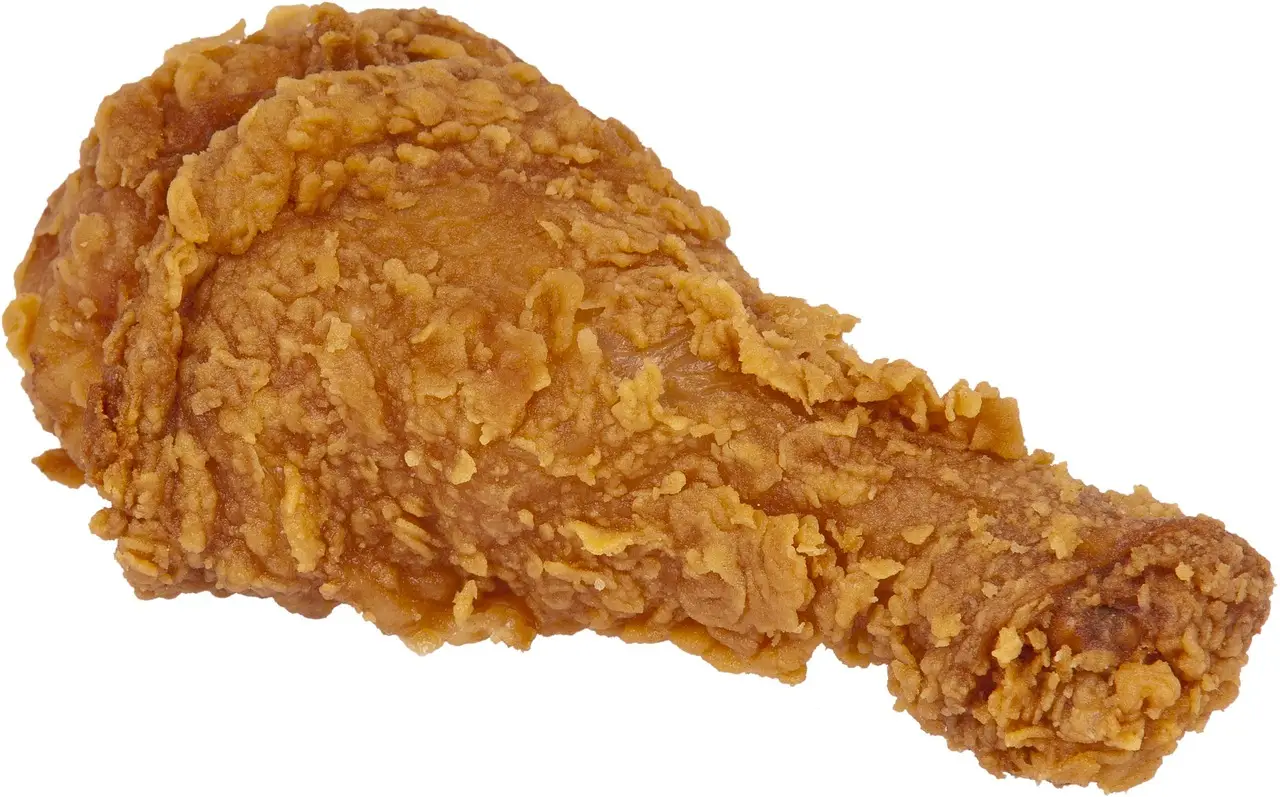
Chester's Chicken charges a $3,500 franchise fee, the lowest among five low-cost food franchises with investments from $27,000 to $1.89 million, per Small Business Trends.
By Amara Osei
3 min read
What's News
- Chester's Chicken franchise fee is $3,500, with total investment of $27,000–$296,000.
- Food franchises make up about 36% of all U.S. franchise establishments.
- Low-cost food franchise startup investments run $27,000 to $400,000.
- A Chick-fil-A costs $342,000–$2 million total despite its $10,000 franchise fee.
- Freddy's Frozen Custard requires $640,000 to $1.89 million in total investment.
Chester's Chicken charges a franchise fee of just $3,500, with total investments running from $27,000 to $296,000, according to Small Business Trends' roundup of low-cost food franchises. That makes it the cheapest entry point among five brands the publication analyzed, with total outlays spanning $27,000 to $1.89 million depending on the chain.
The numbers matter because food franchises account for roughly 36% of all franchise establishments in the U.S., and the average American household spends around $2,800 per year on food. Food and drink sales in the U.S. have doubled since 2000, per the report.
What does each franchise cost?
Small Business Trends breaks down five affordable options:
- Chester's Chicken — $3,500 franchise fee; total investment $27,000–$296,000. Flexible locations, including kiosks and food courts.
- Taco Bell Express — $25,000 fee; investment $175,000–$300,000. A scaled-down model with strong brand recognition.
- Freddy's Frozen Custard — $25,000 fee; investment $640,000–$1.89 million. Known for high customer retention.
- Jimmy John's Express — $30,000 fee; investment $350,000–$670,000. Built for quick setups.
- Checkers & Rally's — $30,000 fee; investment $165,000–$1.2 million. Focused on drive-thru efficiency.
Franchise fees across the segment typically range from $3,500 to $30,000. Small Business Trends pegs overall startup investments for low-cost food franchises between $27,000 and $400,000.
Why go low-cost rather than independent?
Brand recognition draws customers from day one, the report notes. Low-cost food franchises usually run simplified business models, which means less labor and lower overhead, feeding higher margins. Franchisors typically bundle training and support, softening the early challenges of ownership.
What startup costs should buyers expect?
The checklist runs beyond the headline fee. Prospective franchisees must budget for staffing, packaging and utilities, and review the Franchise Disclosure Document (FDD) before committing — especially Item 7, which details startup costs including fees and equipment. Small Business Trends recommends holding at least three months of operating capital to avoid undercapitalization.
How do franchisees stay compliant and build the brand?
Nearly 75% of restaurants face inspections annually, so knowing local health codes and food safety rules is non-negotiable. The report advises training staff, studying local regulations through health department workshops, and keeping accurate labor records with state labor department resources.
On marketing, the numbers favor local tactics:
- 73% of consumers are influenced by social media posts when deciding where to eat.
- 78% prefer brands that contribute locally.
- Local SEO can lift foot traffic by up to 50%.
- Each dollar spent on influencer marketing returns $6.50.
- Loyal customers are 65% more likely to try new offerings.
Simplified menus cut labor and food waste. Compact, high-footfall locations — food courts, kiosks, mobile setups — trim build-out costs and overhead.
What about Chick-fil-A's $10,000 fee?
No, you can't open a Chick-fil-A for $10,000, Small Business Trends says. That figure covers only the initial franchise fee. Total investment runs $342,000 to $2 million once equipment, inventory and real estate are counted, plus a rigorous selection process and a full-time operating commitment.
For buyers with around $10,000, the realistic path is mobile food trucks or kiosks under brands like Chester's Chicken or Breadless. Breadless, which the report calls the most profitable option in its set, posts an average unit volume of $1.1 million, helped by a catering division that adds revenue with minimal labor and items like Jerk Chicken & Mango wraps.
Which research tools help?
The report points to FDDs first, then platforms like Franchise Direct and Franchise Global to filter by investment level and location. The International Franchise Association offers webinars and market trends, franchise brokers provide personalized guidance, and owner forums supply real-time feedback.
Buyers who match a brand to their budget, verify every FDD line item and bank three months of capital will enter the segment best positioned to survive its thin early margins.
Source: GN: Franchise Industry
More from Amara Osei
Show full bio
Senior reporter covering companies, deals and strategy in entrepreneurship, startups and venture funding at Business Bearings.
1,494 articles