Clairvoyance AI CEO Predicts 95% of AI Work Will Run Locally
Brad Wardell predicts 90-95% of AI work will run locally within 18 months. His Clairvoyance AI, incubated at Stardock, already replaced $100/month in cloud tokens with overnight local runs.
By Amara Osei
4 min read
What's News
- Wardell predicts 90-95% of AI work will run locally within 18 months.
- Clairvoyance AI has over 40,000 users and was incubated at Stardock.
- A nightly reporting workload that cost $100/month in Claude tokens now runs free on local hardware.
- 8B-12B parameter models handle Stardock's metadata work, including on a Snapdragon X2 laptop.
- Hivemind, coming soon, pools idle company GPUs for local AI work.
Brad Wardell, founder and CEO of Clairvoyance AI, predicts that 90 to 95% of AI work will run locally within 18 months, with only about 5% needing cloud frontier models. His argument: almost nothing is delegated to AI yet, and trivial tasks like screening resumes for location or checking shipment timing can already run on a 4B model on a laptop.
Clairvoyance AI has over 40,000 users. The company builds a workspace of named AI staff with persistent memory and ongoing assignments, connecting local files and development tools with cloud services and models running on a user's own hardware. It was incubated at Stardock, the software and games company Wardell has led for more than three decades — a catalog that includes Fences and Galactic Civilizations.
Where did the product come from?
The pressure point was Ara: History Untold, which Stardock helped Microsoft and Oxide Games finish. "A huge amount of time was going into just moving creative assets into the game," Wardell said. Writing arrived as .DOCX files that had to be hand-converted into XML or CSV. A single balance change meant touching a dozen files. Localization meant matching translated strings back to the right keys by hand. "Clairvoyance AI made all of that painless and let us ship on time," he said.
By late 2025, Stardock debated whether to release the tool publicly at all. Wardell called it "a real competitive advantage, like having a superset of something like OpenClaw a year early." What changed his mind was "watching friends and colleagues lose jobs to AI automation that they could have kept if they'd had better tools."
What does routing have to do with it?
Wardell frames the next phase of AI as a routing problem rather than a model-size race. The company is about to release a feature called Hivemind that pools idle GPUs across a company's own machines, so anyone on the team can run AI work locally instead of paying for cloud tokens. "If you're tracking tens of thousands of shipments across a supply chain, or auditing where a company's money went, you don't need a frontier cloud model for that," he said.
He runs the numbers on his own workload: dashboards, crash reports, sentiment reports and sales data processed nightly on a local model. The same workload through Claude cost about $100 a month in tokens. Now it runs free overnight on hardware he already owns, with results waiting in the morning.
What has been proven on local hardware?
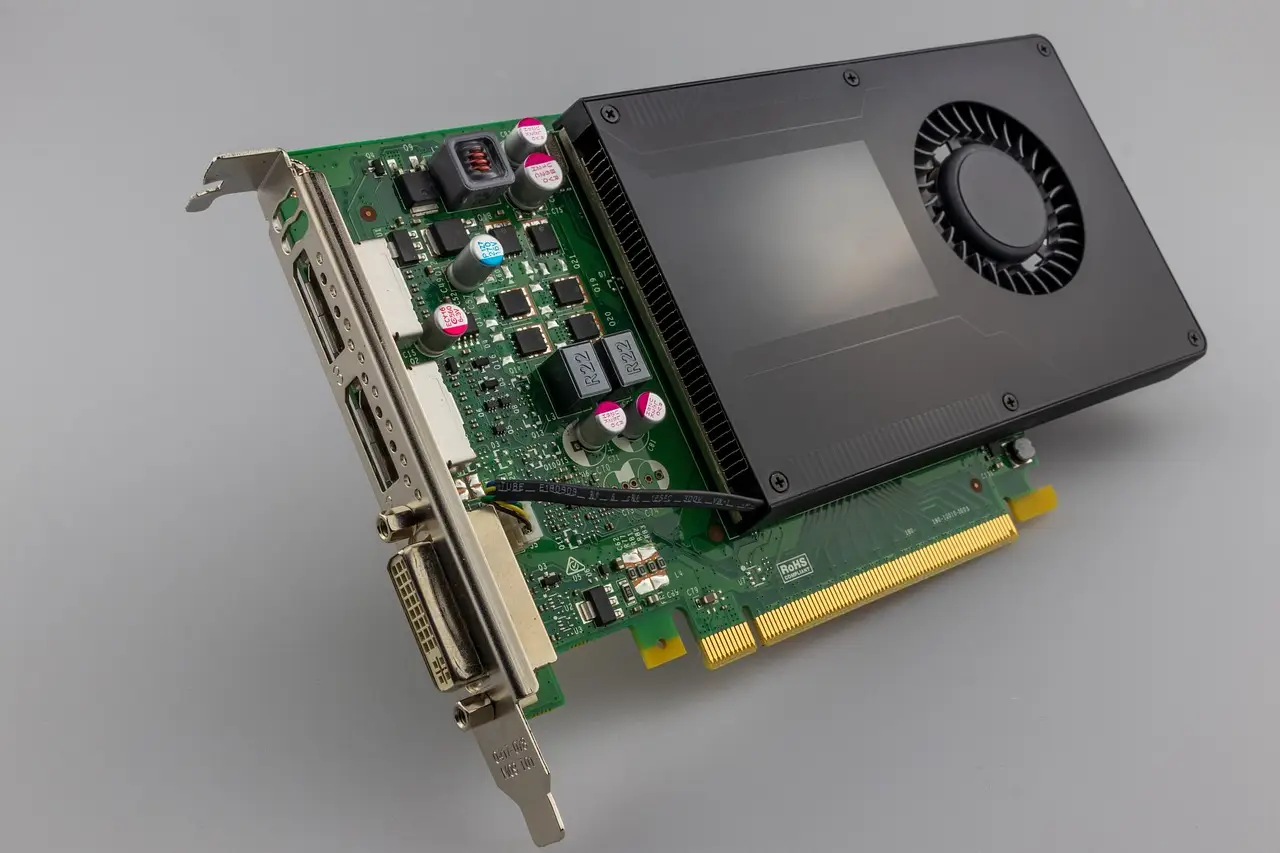
Stardock has terabytes of art assets, videos and work products on its network. Local models running on AMD and NVIDIA video cards add metadata to those files so they can be searched quickly. Wardell said 8B to 12B parameter models are "more than enough to do everything we need" and run on relatively old hardware; a Qualcomm Snapdragon X2 laptop currently handles some of the work overnight.
The approach surfaced 16 different 3D models of wolves in the archive. "Sigh," he added.
Escalation to cloud still matters. Frontier models have largely solved hallucinations, Wardell said, but on smaller local models "hallucinations return," so they run with heavy guardrails. Anything requiring open-ended judgment goes up to the cloud.
How does persistent memory work?
Clairvoyance stores agent memories in a graph structure, so an update to one node recursively triggers updates to related nodes and keeps memories current. The hard part, Wardell said, has been preventing infinite recursion — a problem that took "a lot of trial and error over the last couple of years."
On safety, Clairvoyance offers File Protection, which blocks agents from wiping out directories at the app level rather than through hooks an agent could work around. The product is local-first by design: notes, projects and staff memory stay on the user's machine, and cloud calls are approved per staff member, not through a blanket setting. Wardell said enterprise customers are frustrated about "uploading entire confidential workflows to Anthropic or OpenAI just to get work done."
Retention across the 40,000-plus user base depends on how much data users generate through sessions. The users who stay are the ones producing Exhibits and Reports that become foundations for further work; most users still think in terms of prompts.
What would change his view on routing versus model size? Hivemind-style pooled compute and routing good enough that "nobody has to know what a 4B model or an Opus even is."
Source: unite.ai
More from Amara Osei
Show full bio
Senior reporter covering companies, deals and strategy in entrepreneurship, startups and venture funding at Business Bearings.
2,503 articles