Congress Opens Probe Into Nvidia's H200 China Chip Deal
House and Senate tax committee leaders are investigating the administration's approval and 25% tariff on Nvidia H200 chip sales to China, citing intelligence reports and $26 million in payments.
By Daniel Okafor
4 min read
What's News
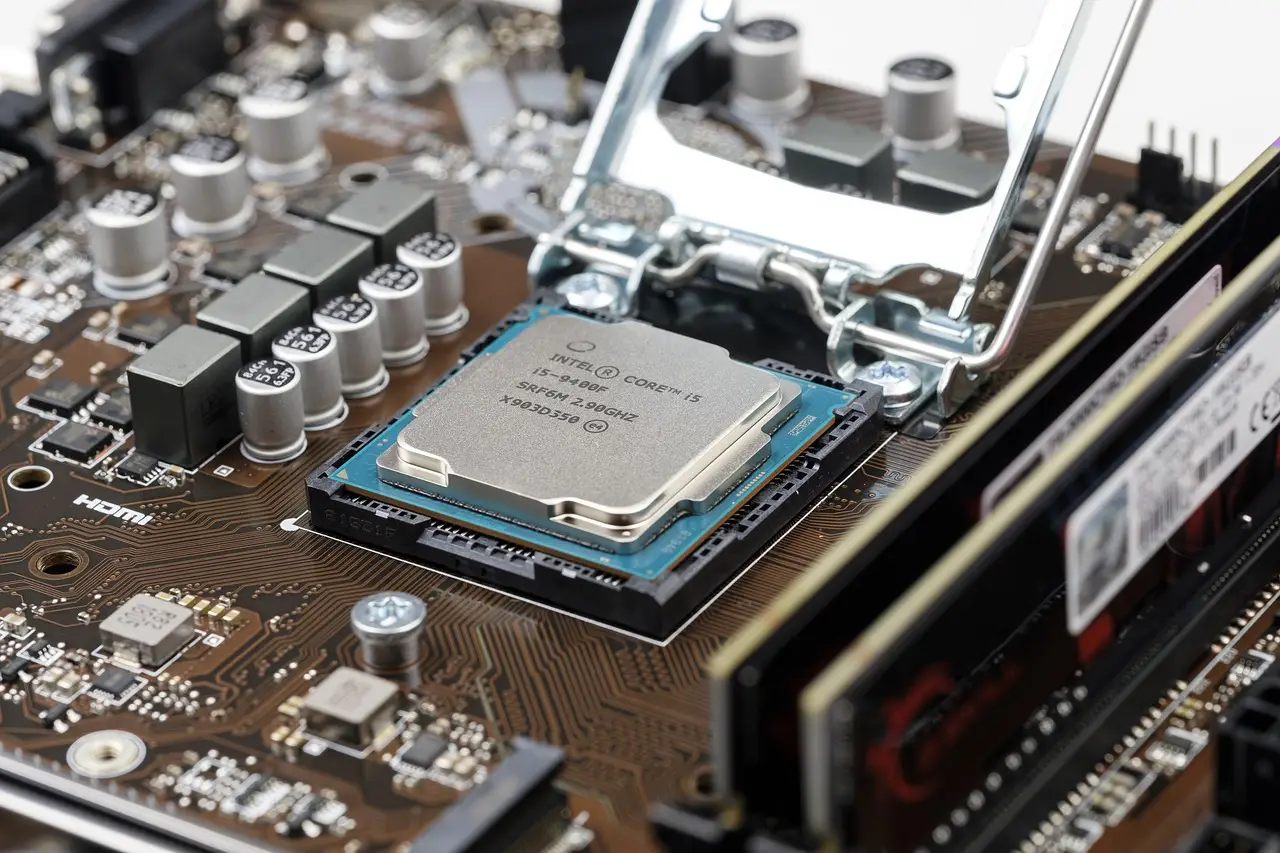
- On November 12, 2026, Richard Neal and Ron Wyden opened an investigation into Nvidia H200 chip sales to China.
- The deal imposed a 25% tariff on chips imported from Taiwan and then licensed for export to China.
- Nvidia and Jensen Huang directed at least $26 million toward Trump's personal priorities, the letter says.
- Trump granted Nvidia permission to sell H200 chips to China in December 2025.
- A November 9, 2026 letter from House Foreign Affairs Democrats demanded an immediate halt to AI-chip exports.
Two senior congressional Democrats opened an investigation on November 12, 2026 into the Trump administration's approval and taxation of Nvidia H200 chip sales to China — a deal that netted the government a 25% tariff cut while licensing the exports it taxed.
House Ways and Means ranking member Richard E. Neal and Senate Finance ranking member Ron Wyden sent the letter to Commerce Secretary Howard Lutnick. They demanded that relevant records be preserved.
How does the tariff-and-export arrangement work?
The letter sets out the transaction chain. Nvidia manufactures H200 chips in Taiwan. The chips enter the United States for a security review. Commerce assesses a 25% tariff on the import. Commerce then licenses the same chips for export. They ship to China.
That sequence is the heart of the inquiry. It combines a tariff on imports with permission for an onward export — a structure that relies on Section 232 of the Trade Expansion Act of 1962, which permits presidential action against imports that threaten national security.
Neal and Wyden argue the arrangement appears to create an unconstitutional export tax. In their view, the government effectively takes a cut of Nvidia's China sales while benefiting Nvidia and the Chinese government, and undermining U.S. security.
Their committees hold jurisdiction over taxation and tariffs. That gives the probe a trade-law dimension alongside the export-control questions. The inquiry asks both whether the chips should reach Chinese buyers at all, and how the administration structured and taxed the transactions.
What records does Congress want from Commerce?
The preservation demand covers a broad set of materials:
- Records of the Section 232 semiconductor-import investigation and the resulting tariffs
- Documents on the review and approval of Nvidia's export-license applications
- Communications with or about Nvidia, former chief executive Jensen Huang, and their agents or representatives
- A Section 232 report the letter says Lutnick sent Trump on December 22, 2025
The request covers existing and future records. The lawmakers warned that federal criminal laws prohibit destroying records relevant to congressional investigations.
The demand pulls Commerce's internal deliberations into the inquiry. That includes how Chinese buyers were reviewed and how the tariff itself was constructed.
What did the intelligence reports say?
Licensing diligence is a second focus. Citing press reports, Neal and Wyden said Commerce approved sales to Chinese companies with government and military ties. Some buyers were cutout companies with no physical presence at their listed addresses.
The lawmakers also repeated reports that Commerce suspended a separate investigation into an Nvidia customer, Megaspeed, after outreach from Nvidia itself.
The letter describes Alice Huang as a Chinese executive in a close relationship with Jensen Huang and the leader of Megaspeed, a company suspected of smuggling Nvidia chips into China. U.S. intelligence officials identified her as a Chinese intelligence asset. They concluded she funneled information to the Chinese government and facilitated Chinese access to advanced Nvidia chips.
The letter says Trump and Lutnick were reportedly briefed on that intelligence. Trump nevertheless granted Nvidia permission in December 2025 to sell H200 chips to China, in exchange for a cut of export sales.
Did politics shape the policy?
Neal and Wyden said the approval came only after Jensen Huang and Nvidia directed at least $26 million toward Trump's personal priorities, including the White House ballroom. They questioned whether, and to what extent, political considerations improperly influenced the administration's policy decisions.
The $26 million figure and the intelligence briefings now anchor the congressional question: whether tariff powers and political calculations displaced national-security judgment.
What did the earlier letter demand?
The Neal-Wyden probe follows a separate letter dated November 9, 2026. House Foreign Affairs Democrats Gregory W. Meeks, Gabe Amo, and Sydney Kamlager-Dove sought an immediate halt to advanced AI-chip exports to China.
They asked Commerce to explain what officials knew about the reported intelligence connections, when senior officials were informed, and why exports continued.
That earlier appeal stressed the chips' importance to AI capability, military modernization, and economic competition. It warned that once those capabilities reach China's government or entities acting for it, the consequences could be nearly impossible to reverse.
The two letters differ in scope. The November 9 letter centered on stopping future exports. Neal and Wyden's investigation puts the approval process itself under scrutiny — the tariff structure, the licensing decisions, and the money trail that preceded them.
Both inquiries now converge on one question: whether the H200 deal served national security, or something else.
Source: unite.ai
More from Daniel Okafor
Show full bio
Correspondent covering money, funding and market shifts around entrepreneurship, startups and venture funding at Business Bearings.
1,977 articles