Denmark Targets EU-Wide Ban on 'Turbo Chickens' After TV2 Exposé
Denmark's animal welfare minister wants the 33-day Ross 308 breed banned nationally and across the EU, after secret footage showed a producer halving required darkness hours.
By Amara Osei
3 min read
What's News
- The Ross 300 breed grows from 50 grams to 2kg in 33 days; other breeds need 46-63 days.
- A TV2 documentary alleged producer Christian Tvergaard gave chickens half the legally required darkness.
- Eurogroup for Animals says 95% of EU chickens are raised in intensive fast-growth systems.
- Animal Protection Denmark wants all chickens bred for 56 days, matching organic breed timelines.
- Denmark will end mink farming by August 2029.
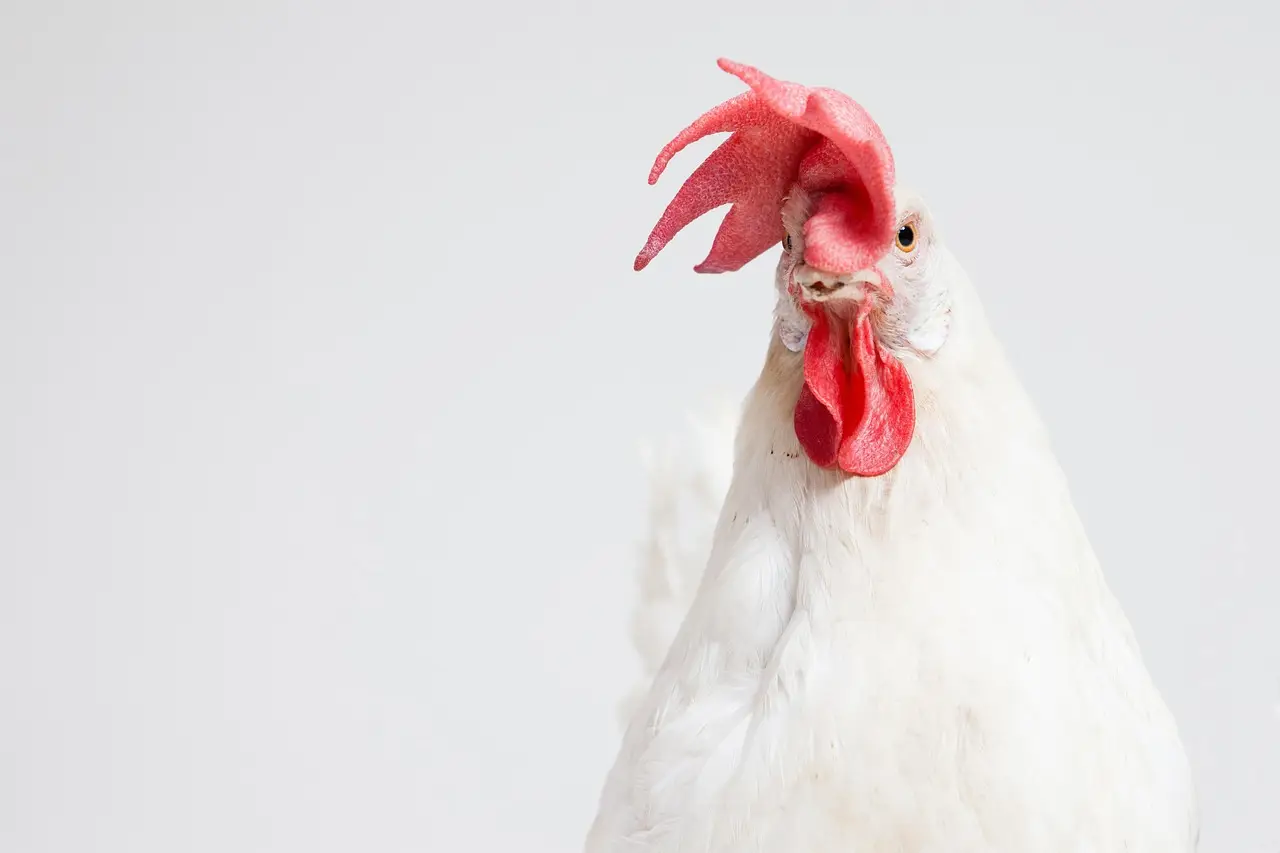
Denmark's government wants to ban the Ross 308 chicken — a bird that grows from 50 grams to 2kg in 33 days — and will push for the same prohibition across the EU.
The move follows a TV2 documentary broadcast last week featuring secretly filmed footage from a chicken coop in North Jutland. The program alleged that Christian Tvergaard, one of Denmark's major chicken producers, broke Danish law by giving his birds only half the required daily darkness. Less darkness makes chickens eat more, and eat more they do.
The Ross 308, labelled the turbo chicken, is the most widespread breed in Danish poultry production. Its rapid growth can damage bones and organs. Other breeds need 46 to 63 days to reach the same weight.
What did the minister say?
Christian Rabjerg Madsen, Denmark's minister for nature and animal welfare, said he discourages Danes from buying turbo chickens and wants the breed outlawed at home and in Brussels.
"I want to work for a national ban. But it's clear that this is something that needs to be investigated both legally and economically," Madsen told TV2.
"Now we will work for a national ban, we will work for a ban at EU level," he added.
Tvergaard has admitted failings since the documentary aired. "I look inward and must admit that I have made some wrong decisions. There is no excuse for that, but I can learn from it and correct where I have not done well enough," he told TV2.
He said he has corrected "both when it comes to the lighting programme and a number of the workflows we have in the stable, where both procedures and the roster have been tightened up."
Who backs the ban?
The proposal is gaining cross-party political momentum in Denmark. But industry figures warn a Danish-only ban would fail if imports keep flowing.
Klement Hinkbøl Ribergaard, chief executive of chicken producer Danpo, told broadcasters: "If Denmark alone bans the production of fast-growing chickens while shops, restaurants and consumers in the Danish market can continue to buy imported, fast-growing chicken of more or less questionable quality, we risk a situation in which animal welfare certainly does not benefit."
How big is the problem in the EU?
Very big. According to Eurogroup for Animals, 95% of chickens in the bloc are raised in intensive systems and bred to produce the cheapest meat possible — a dynamic the group calls a "race to the bottom."
"Fast-growing breeds are inherently predisposed to suffering, with their bodies growing so quickly they can barely stand on their legs," said Reineke Hameleers, the advocacy group's chief executive. "Denmark's political willingness to stop this is an example that should be followed by the EU, for it presents the progressiveness this industry needs, one that is backed up by scientific evidence."
Britta Riis, chief executive of Animal Protection Denmark, called turbo chickens the product of a "deeply unethical and grotesque form of breeding" that amounts to "systematic abuse" of the birds. Her organisation wants all chickens bred for the same period as organic breeds — 56 days.
Why now?
Animal welfare has dominated Danish public debate for months. Pig farming loomed so large in the last general election that the campaign was nicknamed the "pig election."
The country has also committed to ending mink farming by August 2029, after the current government decided not to seek an EU exemption for the practice.
With fast-growing breeds dominant across Europe, a Danish-led EU ban would mark a landmark shift for the continent's poultry industry — and the first real test of whether the bloc's 95% intensive chicken supply chain can be restructured at all.
Original: nyheder.tv2.dk
More from Amara Osei
Show full bio
Senior reporter covering companies, deals and strategy in entrepreneurship, startups and venture funding at Business Bearings.
1,444 articles