Drone Attack Sets Cargo Ship Sparta II Ablame in Gulf of Finland
Two drones attacked the Sparta II near Russia’s border, setting it ablame in the Gulf of Finland. The crew was evacuated as Baltic fuel and grain routes faced growing risk.
By Olivia Hart
5 min read
What's News
- Two drones attacked Sparta II about three nautical miles from Russia’s maritime border, Alexander Drozdenko said.
- The crew was evacuated; Finnish units, one Estonian vessel and Russian rescue ship Murman fought the fire.
- Sparta II was the Gulf’s second drone-struck ship this month; Naro-Fominsk was hit Nov. 11.
- Baltic ports handled 65.3% of Russia’s seaborne grain exports in October; Ust-Luga handled 684,000 tons.
- Russia fired three ballistic missiles and 148 drones overnight Saturday; Ukraine said 117 drones were shot down.
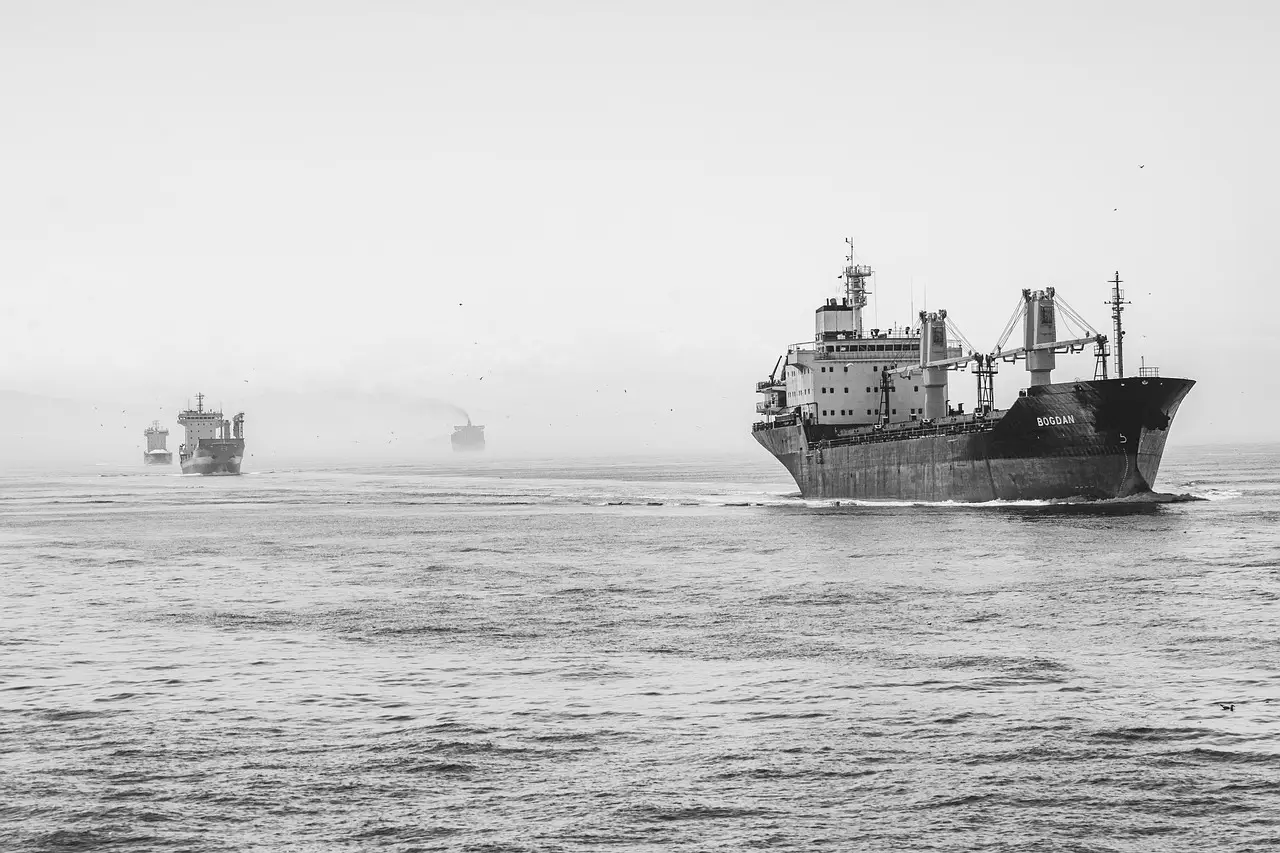
Two drones attacked the cargo ship Sparta II about three nautical miles from Russia’s maritime border, according to Leningrad Region Governor Alexander Drozdenko.
Russian authorities said the ship was bound for Russia’s Kaliningrad exclave and had been targeted in international waters. Drozdenko said on Telegram that the vessel was struck and set aflame; Finland’s border guard said it then drifted into Finnish waters. Bloomberg’s Nov. 21, 2026 report did not specify an attack time.
How did the response unfold?
Finland’s defense ministry said its border guard had been sent to the incident site west of Suursaari, known in Russia as Gogland, in the eastern Gulf of Finland. Temporary aviation and maritime restrictions were enforced as a precaution, with no duration or geographic limits disclosed.
Finland’s border guard said the crew had been evacuated to a nearby cargo vessel. Several Finnish units and one Estonian vessel were fighting the fire, while the Russian rescue vessel Murman joined at the border guard’s request.
Finnish President Alexander Stubb wrote on X: “The events involving the Sparta II vessel in the Gulf of Finland are serious.” Finland said the plan was to tow the disabled vessel into Russian waters, although the report did not say whether towing had begun or the fire was extinguished.
The response reached across national borders, but no completed tow or extinguished fire was confirmed.
What is known about the ship’s cargo?
Helsingin Sanomat reported, citing the Finnish border guard, that Sparta II was connected to the Russian military and may have been carrying military materiel. The border guard told the Helsinki-based newspaper that the cargo had not been verified.
Russia released no further details, and Ukraine had not commented. The report therefore established neither the cargo manifest nor responsibility for the attack.
The military connection was reported, but the cargo and attacker were not confirmed.
How far has the fighting spread around Baltic shipping?
Bloomberg reported that Sparta II was the second ship struck by a drone in the Gulf of Finland this month, as Ukraine’s military operations expanded into a new area far from its border with Russia. The report did not provide evidence assigning the attack on Sparta II to Ukraine or another party.
On Nov. 11, the Russian Navy’s Buyan-M class corvette Naro-Fominsk was hit during a barrage on Ust-Luga, a major Baltic export hub. Separately, Finland said a Russian helicopter was suspected on Saturday afternoon of violating Finnish airspace outside Loviisa, on the Gulf of Finland.
Drozdenko also said a large drone barrage in the region resulted in 80 Ukrainian drones being shot down. Ukraine’s Security Service said the Nov. 11 Ust-Luga strikes damaged Novatek PJSC’s oil-product terminal, including storage tanks, and infrastructure at the Ust-Luga terminal for petroleum products.
Ust-Luga lies more than 1,000 km north of Kyiv. The damage claim came from Ukraine’s security service, and the report cited no independent inspection or estimate of lost capacity.
The fighting has reached a warship, an export hub and a cargo vessel, but responsibility for the latest attack remains unassigned.
Why do the Baltic routes matter to Russian exports?
Bloomberg described the shallow, rocky Baltic Sea as one of the world’s busiest waterways, accounting for about 15% of global freight shipping each year, or roughly one in seven. More than 3 million people cross the Gulf of Finland on passenger ferries annually, while cargo ships and oil tankers transit the same route.
The report noted that the tankers include shadow-fleet vessels ferrying sanctioned Russian oil. The region hosts several of Russia’s largest Baltic ports, which are vital to Russian crude-oil and petroleum-product exports.
Their fuel role has grown since an October agreement between Russian President Vladimir Putin and US President Donald Trump allowed Russia to partially resume diesel exports. A first tanker with diesel left the Baltic port of Primorsk in October, marking the resumption of seaborne shipments after Moscow partially lifted its export ban.
The report did not identify the tanker or quantify the restored export volume. It therefore documented a policy opening, not the scale of the trade recovery.
Baltic ports have also gained importance for grain as attacks disrupt shipping from southern Russia and Ukraine. The Russian Grain Union said the ports handled 65.3% of Russia’s seaborne grain exports in October—about two-thirds—with shipments surging 8.7-fold year on year, nearly ninefold, as volumes through the Azov-Black Sea ports collapsed.
Ust-Luga was Russia’s largest grain-export port that month, handling 684,000 tons. The figures show traffic shifting toward the Baltic under pressure; they do not establish that Russia produced more grain.
The Baltic now carries a larger share of Russian fuel and grain exports, making route security a direct commercial risk.
What else happened on Saturday?
Ukrainian authorities said Russian forces fired three ballistic missiles and 148 drones overnight at various targets on Saturday; they said 117 drones were shot down. Ukrainian President Volodymyr Zelenskyy said on X that efforts were underway to address the aftermath of a late-Friday Russian strike on his hometown, Kyrvyi Rih.
The strike killed two people, including a young boy, and wounded at least 60 others, according to Zelenskyy. The report carried the Ukrainian account and did not provide an independent toll or damage assessment.
Any further strike on a commercial tanker or grain carrier would put the Baltic’s expanded export role under greater strain.
Source: insurancejournal.com
More from Olivia Hart
Show full bio
Staff writer covering people, launches and day-to-day practice in entrepreneurship, startups and venture funding at Business Bearings.
2,589 articles