Earliest Harvest in Decades Tests a 67-Year-Old Sonoma Winery
Napa and Sonoma picked grapes in July, the earliest harvest in decades, after a record March heat wave. At 67-year-old Rodney Strong Vineyards, the response was dawn picking, tiered handling and instinct over lab data.
By Olivia Hart
4 min read
What's News
- Napa Valley and Sonoma began grape picking in July, their earliest harvest in decades, versus a normal early-to-mid-August start.
- The shift followed a record-breaking March heat wave and early bud break.
- Rodney Strong Vineyards, founded in 1959 in Healdsburg, California, turned 67 this year.
- The Klein family bought the winery in 1989; Tom Klein met Rodney Strong and winemaker Rick Sayre via a McKinsey & Company evaluation.
- Rodney Strong became the first carbon neutral winery in Sonoma County in 2009.
- Chief winemaking and operations officer Justin Seidenfeld says the timing of harvest is the winery's most important annual decision.
Grape picking in Napa Valley and Sonoma started in July this year, roughly a month earlier than the early-to-mid-August window that growers normally work to, after a record-breaking March heat wave triggered early bud break. That is the hardest fact in this story: an earliest harvest in decades, compressed into a schedule that leaves less room for error.
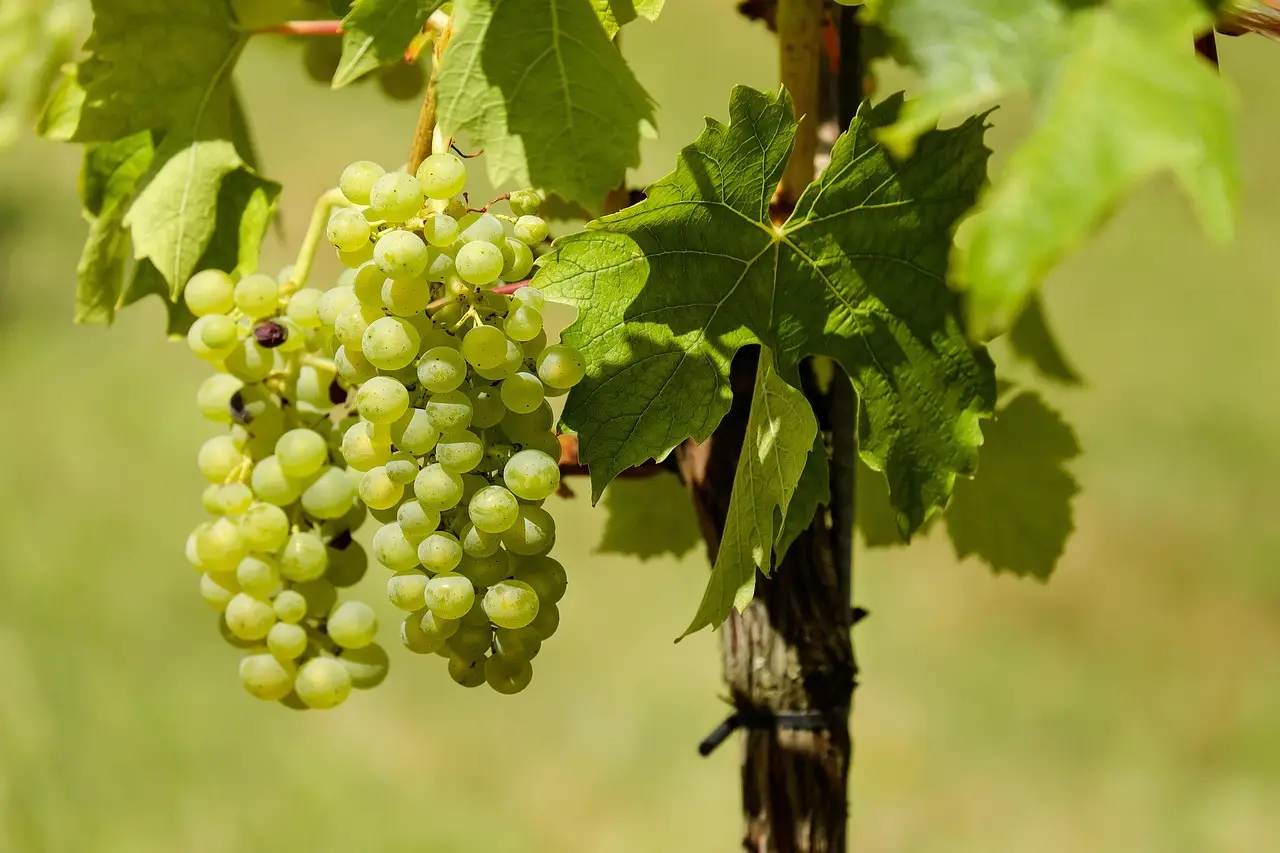
Rodney Strong Vineyards, a 67-year-old winery in Healdsburg, California, worked through that compressed season. Entrepreneur visited the property and its estate vineyard, Rockaway Vineyards, during the final days of the 2026 harvest, and the operating lessons it offers travel well past wine.
Who runs the winery?
Rodney Strong served a brief stint in the Navy before dancing on Broadway in New York City, then retired from performing and founded his namesake winery in 1959. He hired Rick Sayre as winemaker in 1979. The Klein family bought the winery in 1989. Tom Klein, a Stanford MBA graduate, first met Strong and Sayre around 1979, when his team at McKinsey & Company was hired to evaluate the winery.
Six decades on, chief winemaking and operations officer Justin Seidenfeld and head of winegrowing Allison Dericco still describe every vintage as a balance between art and science. The clearest example is the rosé. The preferred light pink shade requires crews to bring those grapes in under cover of night, before heat degrades them.
Why does timing matter so much?
Heat is the most immediate logistical risk between a morning harvest at Rockaway Vineyards and the crush pad, Seidenfeld says.
“As the fruit sits in the sun, it will begin to dessicate,” Seidenfeld says. “That will change the balance of the fruit.”
So the team starts picking at dawn and fast-tracks the fruit to the winery, keeping it in an air-conditioned space until it is sorted and put into a tank for fermentation. That is a supply chain decision with a physical deadline attached, not a quarterly optimization.
How do you allocate resources across tiers?
Rodney Strong runs a portfolio with deliberately different handling by tier. A premium, small-lot Rockaway grape gets a different crush and fermentation than a larger-lot grape headed for the broader Sonoma County or Estate tiers. The larger Sonoma and Estate wines require a less precise “sweet spotting” technique than Rockaway and the other reserve wines, Seidenfeld says. The broader-tier grapes still get managed closely.
“[We rely on] careful site development to keep the block as uniform as possible and the implantation of deficit irrigation to help find as much balance across the whole block as possible,” Seidenfeld says.
Read plainly: the winery treats money, talent and managerial attention the way it treats irrigation, moving them toward the blocks where they generate the most value.
Is data or instinct driving the pick?
The winery uses both, and says instinct wins the final call. Seidenfeld calls the decision on when to harvest the most important one the winery makes every year.
“While we use the data from the samples we pull to guide us, the final call on when to harvest is made through our eyes and ears and taste and not with what we get from the lab,” Seidenfeld explains.
That is a defensible position in a year that compressed the calendar. It is also unfalsifiable in a way worth flagging: no lab threshold can confirm or disprove a call made by eye and taste, and no vintage-to-vintage record of picks versus quality is offered here.
What has the winery already committed to?
Rodney Strong became the first carbon neutral winery in Sonoma County in 2009. The team works on water conservation, soil management and biodiversity encouragement, maintaining healthy vines and managing stress as they develop, Dericco notes. It also uses soil moisture monitoring, weather stations and plant-based measurements to make more precise irrigation decisions.
“While our carbon neutrality and waste reduction efforts have broader environmental benefits, it’s these everyday practices in the vineyard that directly influence vine health, fruit development, and ultimately, wine quality,” Dericco says.
The caveat is plain. Carbon neutrality, established 17 years ago, is a designation rather than a measurement of this year’s fruit. The daily practices she describes, not the label, are what touch the vine.
What should other businesses take from this?
Know your supply chain well enough to act on it in hours, not quarters. Allocate resources toward the products that carry the most value. Decide when to commit using judgment, not only dashboards. And treat sustainability as a building block rather than an afterthought.
For a 67-year-old company in Healdsburg, the test was a July pick under a hot, early season, with fruit moving from vine to tank before the sun could do damage. The next test arrives with the 2027 bud break, when growers will know whether early picking cost the vintage its balance, or bought it.
Original: mckinsey.com
More from Olivia Hart
Show full bio
Staff writer covering people, launches and day-to-day practice in entrepreneurship, startups and venture funding at Business Bearings.
1,731 articles