Ex-Nvidia VC Amulya Vishwanath: Robotics Is Stuck in Its 'LEGO Era'
Former Nvidia product marketer Amulya Vishwanath, now leading Techable Ventures, says physical AI is still assembling its building blocks — and talent, not tech, may decide who wins.
By Olivia Hart
4 min read
Updated
What's News
- Amulya Vishwanath spent nearly seven years as a product marketer at Nvidia before founding Techable Ventures.
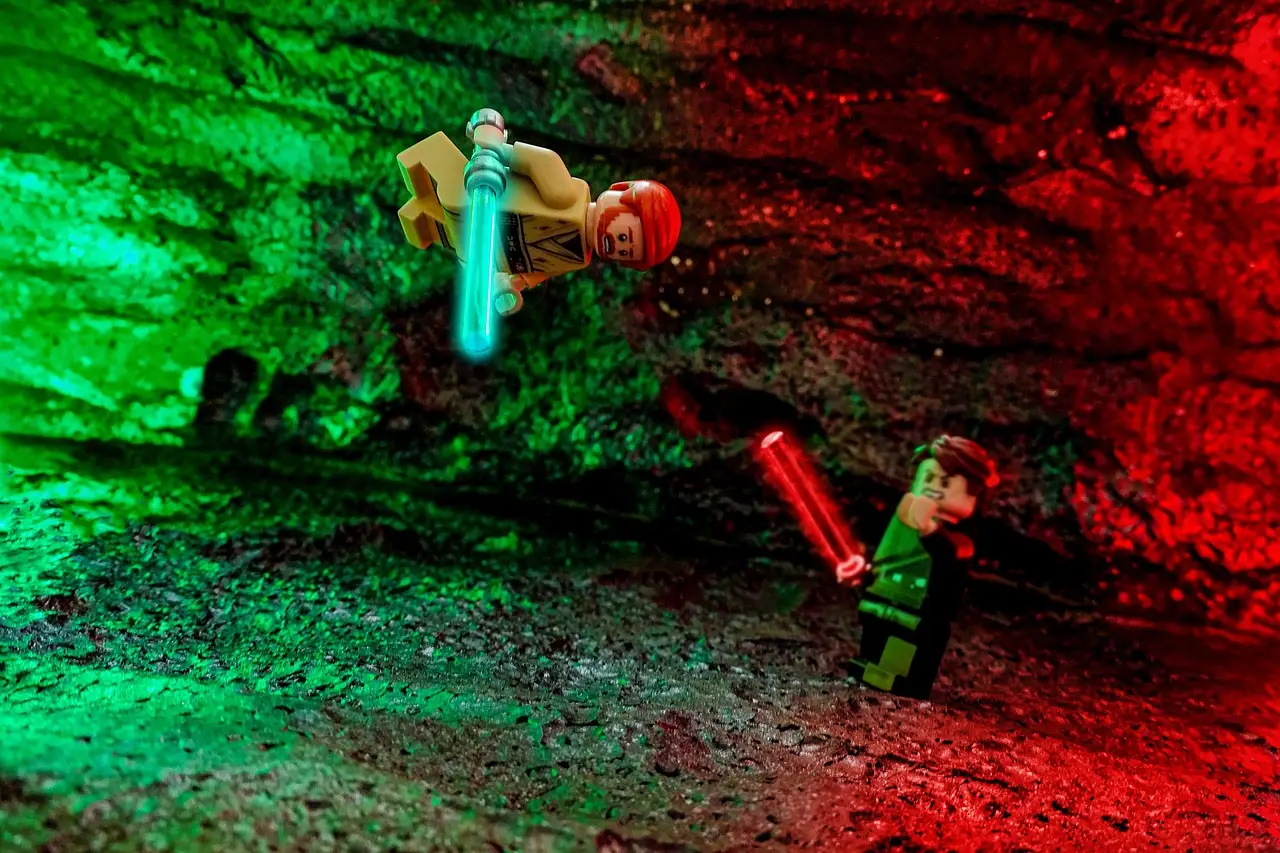
- She says robotics is in a 'LEGO era', not at its ChatGPT moment, with foundational software and hardware still being rethought.
- Techable Ventures treats founder access to top talent as a key 'moat', as talent flows to Anthropic and Nvidia.
- She previously worked in product marketing at a company later acquired by Intel and as a DSP engineer at Molex-acquired Interconnect Systems.
By Olivia Hart
Amulya Vishwanath spent nearly seven years as a product marketer at Nvidia. Now she runs Techable Ventures, a VC firm focused on physical AI, and she has a sobering message for anyone expecting a robotics breakout next quarter: the industry is not at its ChatGPT moment. It is in what she calls the "LEGO era."
"A lot of companies and experts have been talking about the ChatGPT moment for robotics," she told TechCrunch's Equity podcast. In her view, the industry is nowhere near it. Instead, builders are still assembling the pieces.
What does the 'LEGO era' actually mean?
Vishwanath's metaphor is concrete. Today's work in robotics is about foundational software and building blocks — robotic hands, actuators, the mechanical basics — that may one day snap together into a big-ticket product, the way LEGO bricks form a finished set. Both general-purpose and special-purpose robots are being built now, she said, and they will improve as the stack matures.
"There are a lot of foundational software and building blocks for robotics that are being rethought right now as we speak, and it's super important in order for innovation to scale," she said.
The caveat is built into her own framing. If the industry is still rethinking its foundations, then most of today's robots are interim products, not finished ones. Vishwanath did not offer a timeline for when the bricks might assemble into something transformative — a gap worth noting for investors pricing in an imminent breakthrough.
Does history justify the patience?
Vishwanath leaned on precedent. "We've done this during the internet era," she said. "We've done this long, long time ago with the Industrial Revolution. I think it's just a matter of time before things fall into place."
The comparison is arguable. The internet and the Industrial Revolution took decades to compound, and "a matter of time" is doing heavy lifting in that sentence. Still, her point stands: foundational layers get rebuilt before scale arrives, and venture money placed during the rebuilding phase is a long-duration bet.
Her own background gives the argument some technical weight. Before Techable Ventures and nearly seven years at Nvidia, she held product marketing roles at a company later acquired by Intel, and worked as a digital signal processing engineer at Interconnect Systems, which was later bought by electronics manufacturer Molex. That is a career spent inside the component layers she now funds.
Why talent is the real bottleneck
The sharper claim in the conversation concerns people, not hardware. "Talent is also going to be very critical," Vishwanath said, calling talent a key definer of the U.S. market.
She identified a specific problem: much of the top engineering talent is flowing to large companies like Anthropic and Nvidia — the latter being her former employer. Startups in physical AI are competing for the same scarce people with a fraction of the compensation firepower.
Techable Ventures treats this as one of its "moats." The firm helps connect founders to top talent so they can stay competitive, drawing on the network Vishwanath built across her roughly two decades in the space, counting her years at Nvidia, the Intel-acquired company, and Molex-acquired Interconnect Systems.
"This just makes it a lot more easier for me to be the strength or the first call for founders," she said.
That is a pitch, and it should be read as one. A VC's network is difficult to verify from the outside, and "moat" is a word investors use about their own firms with predictable frequency. What is verifiable is the structural claim beneath it: talent concentration at a handful of large AI companies is a real constraint on robotics startups, and any founder without a recruiting edge is starting several steps behind.
The takeaway
Vishwanath's message cuts both ways. The physical AI opportunity is real enough that a former Nvidia marketer raised a fund to chase it, but the industry, by her own description, is still manufacturing bricks rather than castles. Investors and founders should calibrate timelines to her "LEGO era" framing — and note that she named no date when the building stops and the ChatGPT moment begins.
Source: TechCrunch
More from Olivia Hart
Show full bio
Staff writer covering people, launches and day-to-day practice in entrepreneurship, startups and venture funding at Business Bearings.
1,064 articles