FAA Authorization Opens Skyways’ Gulf of America Drone Test
Skyways has FAA authorization for a Gulf of America drone mission combining pipeline inspection with simulated equipment delivery. The planned flight has not occurred, and paid service remains a goal.
By Nathan Brooks
4 min read
What's News
- November 9, 2026: Skyways announced FAA authorization for long-range BVLOS operations from the US coastline over the high seas.
- The Section 927 waiver covers one planned, unflown Shell Pipeline Company LP demonstration in the Gulf of America.
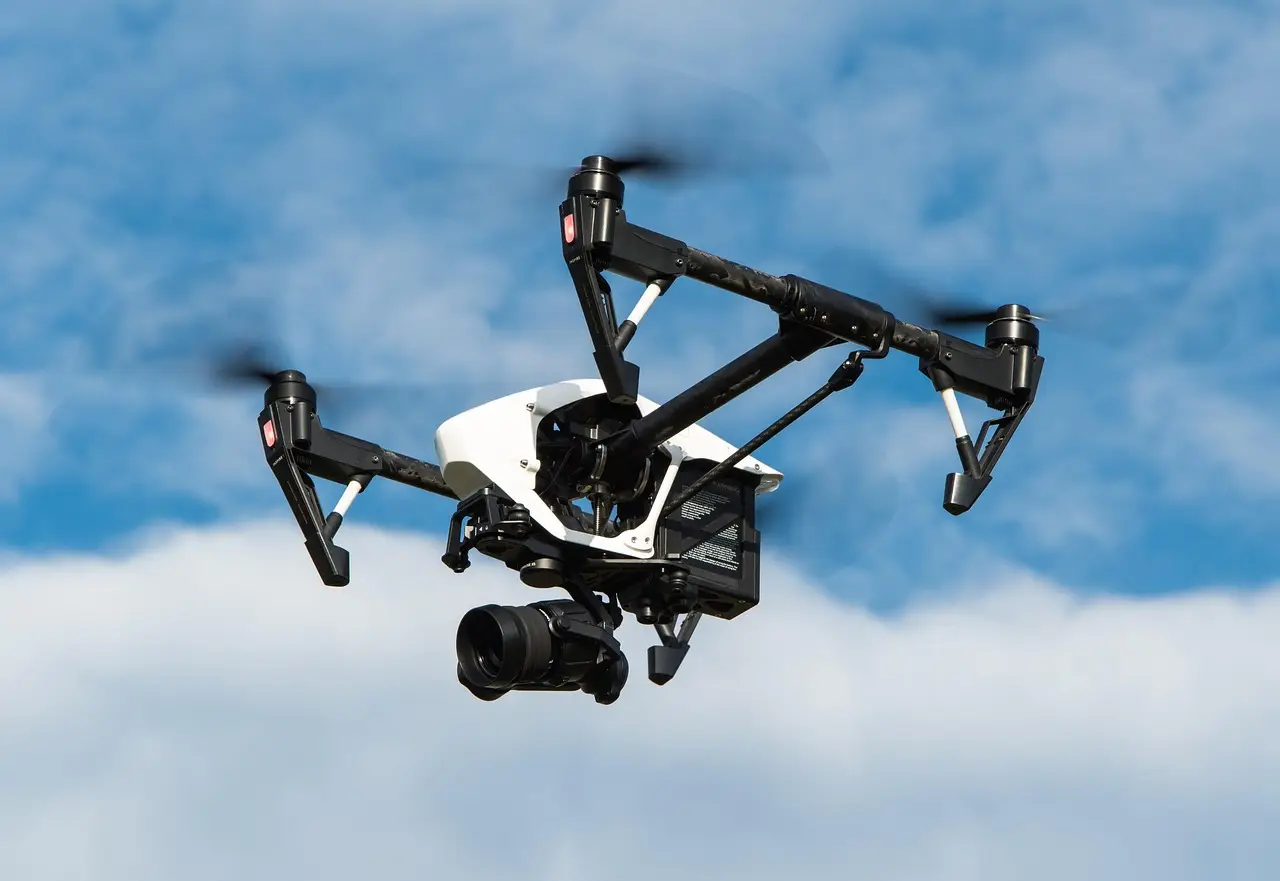
- Skyways’ V2 pairs electric VTOL with a heavy-fuel cruise engine and satellite-based command and control.
- Skyways reports 3,500 autonomous flights and approximately 90,000 kilometers flown worldwide.
- September 21, 2026: A DSV agreement targets an initial North Sea deployment from Norden, Germany.
By Nathan Brooks
Skyways said on November 9, 2026, that the FAA had authorized long-range beyond-visual-line-of-sight drone operations from the US coastline over the high seas. The company said the authorization came through the FAA’s Section 927 waiver process for unmanned aircraft systems.
Skyways described the authorization as the first of its kind for an uncrewed aircraft. It covers a planned Shell Pipeline Company LP demonstration in the Gulf of America, but the company has yet to fly it.
Skyways’ announcement makes the commercial boundary clear: the waiver authorizes a demonstration, not recurring paid Gulf work. The company still has to complete the mission before it can turn the authorization into the broader operating experience its Gulf plans require.
A Gulf test links inspection and delivery
Skyways plans to operate its V2 hybrid-powered vertical-takeoff-and-landing aircraft from Shell Pipeline’s facility in Gibson, Louisiana, to an offshore platform. During the flight, the aircraft will inspect a pipeline right-of-way and simulate the delivery of critical equipment.
The planned sortie combines infrastructure inspection and logistics in one operation, according to Skyways. Skyways expects the flight to test those services over distances that are difficult to support today.
Skyways co-founder and CEO Charles Acknin said the authorization expands Skyways’ US operating envelope. “More broadly, it gives Skyways another real-world environment, in the United States, to prove the aircraft, build operational experience and keep pushing the system farther,” he said.
The V2 is designed for long-range work
Skyways says the V2 combines electric-powered vertical takeoff and landing with a heavy-fuel cruise engine. The design pairs runway-independent departure and recovery with combustion propulsion for extended-range flight.
Skyways says satellite-based command and control will support the planned long-range operation. Its SkyNav software plans routes and automates missions.
On its website, Skyways says its aircraft fly autonomously and its broader system allows one operator to supervise many aircraft. The Gulf test will use that aircraft-and-software system for a single offshore sortie.
FAA and Shell built the operating framework
Skyways said the authorization followed coordination among Skyways, Shell Pipeline and the FAA on an operating and safety framework for flights from shore to offshore infrastructure. Acting FAA Deputy Administrator Liam McKenna said the process was intended to establish a safe framework for what he described as novel operations.
Skyways said the Shell mission builds on Shell Pipeline’s existing high-seas drone program and earlier work with Skyways on pipeline right-of-way inspections across the Gulf. Shell Pipeline President Wesley Stewart said the waiver would streamline offshore inspections, maintenance and logistics.
Stewart said the change could make pipeline transportation safer, more efficient and more cost-effective. The waiver targets work already supported by Shell Pipeline’s operating program, rather than a stand-alone technology experiment.
Flight record and a North Sea agreement
Skyways reports 3,500 autonomous flights and approximately 90,000 kilometers flown worldwide. The company says that record includes BVLOS cargo missions for the US Navy, Japanese Ministry of Defense, DSV, Skyports Drone Services and All Nippon Airways.
On September 21, 2026, Skyways separately announced a commercial offshore logistics partnership with DSV. The agreement targets an initial North Sea deployment from Norden, Germany, and divides the work as follows:
- Skyways handles the aircraft, pilot training, and technical, maintenance and regulatory support.
- DSV manages local flight staffing and works with aviation authorities on required authorizations.
The agreement extends Skyways beyond the Gulf while preserving a division of labor. Skyways supplies the aircraft, training and technical support; DSV provides local staffing and regulatory coordination.
What does this change for offshore operators?
For Shell Pipeline, the waiver changes what can be tested, not what is already commercial. One planned autonomous mission can combine offshore inspection with simulated cargo delivery; recurring paid operations do not begin with this flight.
For practitioners, the near-term change is narrow: the waiver provides a framework for one combined mission, not a proven service model. The commercial test turns on whether Skyways can complete the flight and convert the operating experience into repeat work.
Skyways expects the FAA authorization to underpin expanded, longer-term Gulf operations, including more frequent infrastructure inspections and cargo deliveries for compensation. Recurring paid Gulf service has not started. The next concrete milestone is the unflown mission from Gibson to an offshore platform; its results will test Skyways’ claim that the V2 can support both inspection and logistics over longer distances.
Source: unite.ai
More from Nathan Brooks
Show full bio
News editor covering regulation, policy and their impact on entrepreneurship, startups and venture funding at Business Bearings.
1,766 articles