FARMZER0 Grows Greens in Chicago's 45 Million Square Feet of Empty Offices
CEO Russell Steinberg says 2 million of Chicago's 45 million square feet of vacant offices could grow enough vegetables to feed the entire city — and LA may be next for the 2028 Olympics.
By Grace Kim
3 min read
What's News
- Chicago's downtown office vacancy rate stands at roughly 25-30% post-pandemic, about 45 million square feet of vacant space.
- FARMZER0 founder Russell Steinberg estimates 2 million square feet of vertical farming could feed all of Chicago its adequate vegetables.
- The visited FARMZER0 site occupies about 650 square feet of vacant office space and uses less water than a functioning office.
- Steinberg aims to partner with Los Angeles officials on a vertical farming project for the 2028 Olympics.
Chicago has roughly 45 million square feet of vacant office space, and Russell Steinberg wants just 2 million of it — enough, he says, to feed the entire city its adequate vegetables.
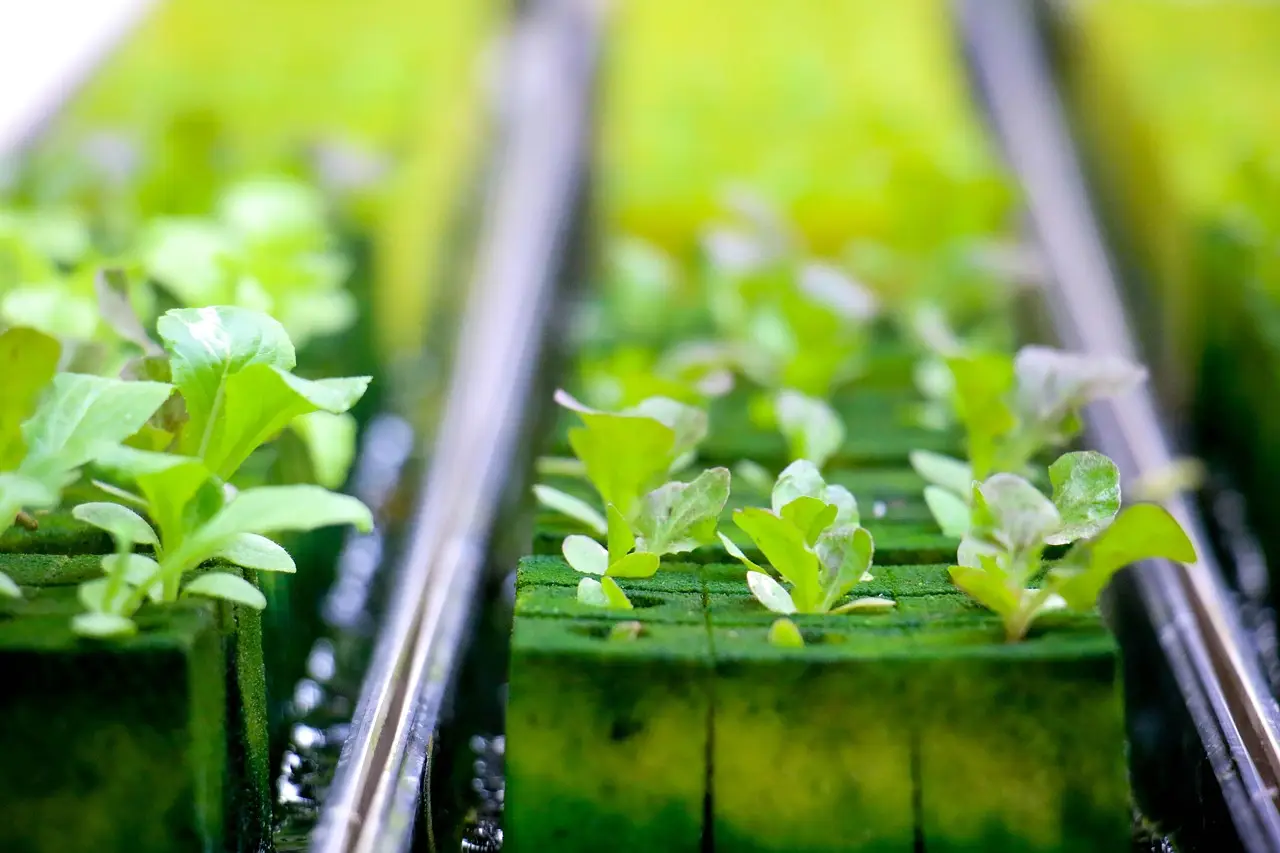
Steinberg is founder and CEO of FARMZER0, a company that converts empty downtown office space into vertical farms growing edible greens. He delivers the harvest to restaurants, caterers, other office buildings, and residents of nearby high-rises. The only prerequisite, he says, is vacant space — and Chicago has plenty.
"There's a line of sight on solving some really complicated problems, three of them specifically," Steinberg told NPR. "Office vacancy, public health crisis, and food system challenges."
How bad is Chicago's office vacancy problem?
The numbers are stark. Chicago's downtown business district carries a roughly 25- to 30% office vacancy rate years after pandemic restrictions ended, according to NPR's reporting. Cities like Chicago have recovered some of that empty office space, but not all of it.
Steinberg says much of the vacancy sits in older office buildings. Their aging infrastructure makes them harder to repurpose for other uses. Newer commercial towers account for some vacancies too, but because they're newer, they're more easily reused.
At the FARMZER0 location NPR visited, the operation occupies about 650 square feet of vacant office area — a fraction of a single floor in a downtown tower.
What does a vertical farm inside an office tower look like?
Quieter and drier than you'd expect. Water runs constantly to keep the plants hydrated, but Steinberg says the farm uses less water than a fully functioning office would. The operation is remarkably silent — except when someone brings out the scissors to harvest.
The scale math is what makes the model interesting. Steinberg's 2-million-square-foot estimate for feeding all of Chicago represents less than 5% of the city's available vacant office stock. That's the pitch: a partial answer to a glut that keeps dragging on commercial real estate owners.
Who's buying the greens?
Blue Plate Chicago, a catering service, counts FARMZER0's output as an important part of what it sells. Chef Matthew Wilde calls the association a win-win.
"They're utilizing space in downtown Chicago that would otherwise be vacant, and, you know, they're growing a really clean farm-to-table green in an urban setting, which is really cool," Wilde said. "And then, in the end, you know, it's a high-quality product, and, you know, supporting local farms, even if it's in an urban setting, is all something's that's really important to Blue Plate."
For a caterer, the appeal is double: locked-in local supply and a story to tell clients about produce grown floors away from where it's served.
Do the economics and climate case hold up?
Dr. Kimberly Gray, professor of civil and environmental engineering at Northwestern University, has researched how cities can and should reinvent themselves. She considers vertical farming a viable, more climate-friendly option as metro areas across the country rethink their futures.
"I think what it can do is it can bring fresh produce to urban communities in a way that's probably cheaper," Gray said. "It can reduce this notion of the last mile. So the delivery of goods and services in urban settings can be highly polluting."
Her point cuts to the unit economics: growing food inside the city eliminates the delivery distance that usually adds cost and emissions to urban food supply.
What's next for high-rise farming?
Steinberg says he's fielded inquiries from a number of cities about replicating the high-rise farming idea. The most concrete target: he hopes to partner with city officials in Los Angeles to build something for the 2028 Olympics.
If Chicago's 25-30% vacancy rate persists, FARMZER0 won't lack raw material — the question is whether 650-square-foot test plots can scale to Steinberg's 2-million-square-foot vision.
Source: GN: Entrepreneurship
More from Grace Kim
Show full bio
Market editor covering people, launches and day-to-day practice in entrepreneurship, startups and venture funding at Business Bearings.
1,499 articles