FCC approves SpaceX plan for one million data satellites
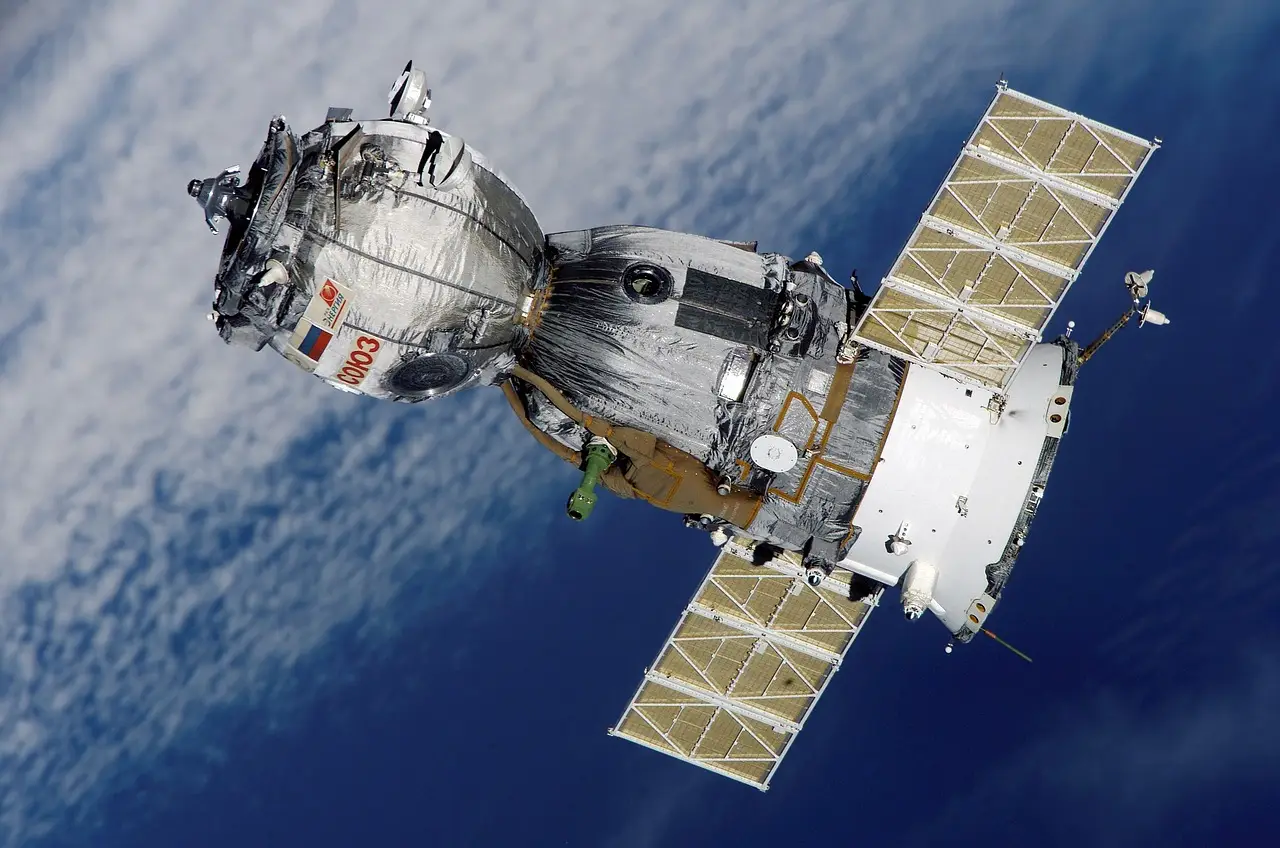
The FCC has approved SpaceX's Starmind project: a million solar-powered satellites for AI data processing, with deployment required to start by November 2033 and 50% in orbit by 2038.
By Nathan Brooks
3 min read
What's News
- The FCC approved SpaceX's Starmind plan for one million data satellites on Wednesday, a first of its kind.
- Deployment must begin by November 2033, reach 10% by November 2035 and 50% by November 2038.
- Starmind satellites will orbit at 500–2,000km and relay data to Earth via SpaceX's Starlink network of over 10,000 satellites.
- FCC Chairman Brendan Carr said the project "opens a bold new frontier" for US computing infrastructure.
- Google and Blue Origin are also exploring orbital data centres as a greener alternative to ground facilities.
US regulators have approved SpaceX's plan to launch a million data satellites into low-Earth orbit — the first green light of its kind for space-based data centres. The Federal Communications Commission cleared the project, known as Starmind, on Wednesday.
The Elon Musk-owned company wants to use sunlight to power satellites that process data for AI and beam the results back to Earth. The FCC said the project will "support America's booming super intelligence economy."
The approval lands at an awkward moment for the data centre industry on the ground. Communities across the US have pushed back against new facilities, and data centres became a central issue in the November midterm elections, with many Democratic candidates promising tougher regulation on their construction. SpaceX argues the "orbital data centres" are the most cost- and energy-efficient way to meet AI computing demand it says is beyond "terrestrial capabilities."
What did the regulators actually say?
FCC Chairman Brendan Carr framed the decision in expansive terms. The project "opens a bold new frontier for the computing infrastructure needed to power America's leadership and growth," he said in a statement.
"This is the kind of American ingenuity that can unite our strengths in space and advanced technology, reinforce our economic leadership, and expand prosperity here at home," Carr said.
Musk responded on X: "Much appreciated. This will be a great asset to America and the world."
The FCC statement also reached for a cosmic benchmark, saying the solar-powered system "promises to bring the human race closer to a Kardashev II civilisation—one that can harness the full power of the sun." The reference is to a hypothetical society, proposed by an astronomer in the 1960s, capable of harnessing the entire energy output of its home star.
What does the licence require?
The approval comes with a deployment schedule, not just permission:
- Deployment must begin no later than November 2033
- 10% of the constellation deployed by November 2035
- 50% deployed by November 2038
SpaceX has already said it wants to launch its first Starmind satellite next year. Whether a million satellites will actually launch is unclear — it's not known if SpaceX sought approval for a higher number than it intends to use.
How does it fit with Starlink?
Like SpaceX's existing Starlink network, which delivers high-speed internet through more than 10,000 satellites, Starmind's craft will operate in low-Earth orbit at altitudes between 500 and 2,000km (310–1,242 miles). Starmind's satellites will communicate with Starlink's and then relay the data down to Earth.
That piggyback arrangement matters: SpaceX isn't building a standalone system, it's extending an infrastructure footprint it already operates at scale.
What does this change for the data centre business?
The move pushes a concept that's moving from pitch to reality. Google and Blue Origin are also exploring orbiting data centres, pitching them as a greener alternative to traditional facilities, which consume enormous amounts of power and water for cooling.
The pressures are real. AI computing has driven a massive increase in the volume of data stored and processed worldwide, and new facilities keep getting harder to site — they're large, power-hungry, and increasingly unwelcome with local residents.
But orbital hardware carries its own risks. One expert previously told the BBC that launching hardware into orbit remains expensive, and that the infrastructure to protect, cool and power it can be complex — while a growing quantity of space debris puts the physical equipment at risk. Another cautioned that the rising number of low-orbit craft increases the likelihood of collisions, which could damage machines or send materials falling back to Earth.
Starlink itself has been accused of congesting space. Musk denies that, and he has rejected claims his satellites crowd out competitors.
With the first launch targeted for next year and a decade-long deployment window running to 2038, the licence gives SpaceX a decade of runway to prove that orbital data centres are cheaper than the terrestrial kind — and that a million satellites can share the sky without incident.
Source: BBC Business
More from Nathan Brooks
Show full bio
News editor covering regulation, policy and their impact on entrepreneurship, startups and venture funding at Business Bearings.
2,826 articles