FDA Panel Backs Galleri Blood Test That Misses 69% of Cancers
GRAIL's Galleri test screens 50-plus cancers from one blood draw, but missed 69% of cases and showed no mortality benefit — and an FDA panel backed it anyway.
By Grace Kim
4 min read
What's News
- On Sept. 23, 2026, an FDA advisory panel voted to recommend approval of GRAIL's Galleri multi-cancer blood test.
- Clinical trial data shows the test missed 69% of cancer cases across all stages and detected only 21% of early-stage cancers over three years.
- The test carries a 0.5% false positive rate and a 52% positive predictive value across three annual screens.
- The out-of-pocket cost is US$949, and FDA approval would not guarantee Medicare coverage.
- The trial failed to show a reduction in late-stage cancer incidence, and the FDA has not announced its final decision.
On Sept. 23, 2026, an FDA advisory panel voted to recommend approval of GRAIL's Galleri test — a $949 blood draw that screens for more than 50 cancers but missed 69% of cancer cases across all stages in clinical trial data. The panel's effectiveness vote split 6-4, and the FDA has not announced when it will make its final decision.
The recommendation is the first step toward making the test widely available in the U.S. But even the panelists who voted yes had doubts. They recommended removing the word "early" from the label "multi-cancer early detection test," because they weren't convinced the test finds cancers at their earliest, most curable stages. One panel member acknowledged the gap frankly: "So perhaps my 'yes' is a hopeful (vote) rather than an accurate one."
Requests for comment from GRAIL were not returned.
What does the Galleri test actually do?
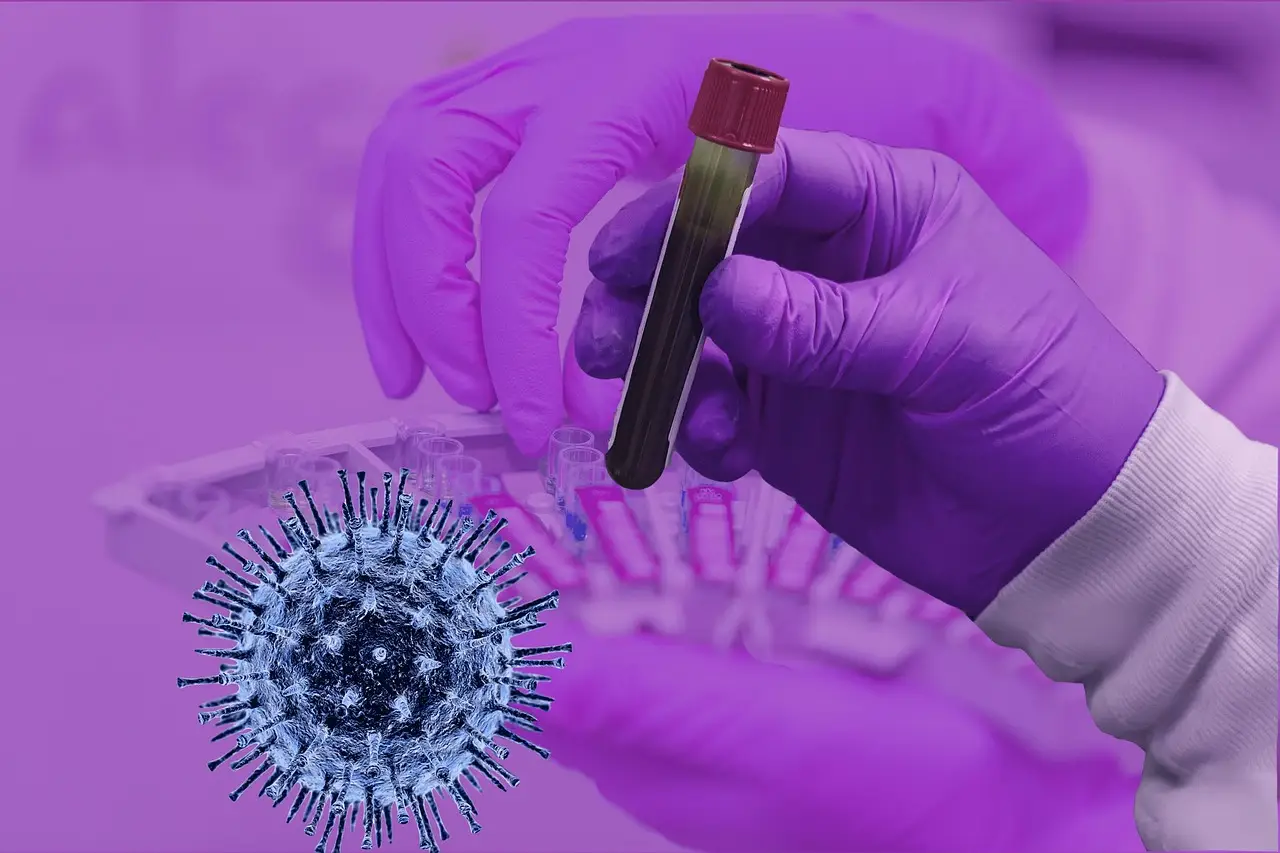
Galleri belongs to an emerging class of multicancer early detection tests. It doesn't diagnose cancer — a positive result requires further evaluation. It works by spotting methylation markers, unique tags on DNA fragments shed by tumors, and uses machine learning algorithms to generate a positive or negative result from a single blood draw.
Andrew Wolf, professor emeritus of medicine at the University of Virginia and chair of the American Cancer Society's screening guideline development group, has followed the test's development closely and laid out both sides of the evidence.
The strengths are real. The test scans for DNA signals from over 50 cancers, including the 12 that account for nearly two-thirds of U.S. cancer deaths, such as lung and pancreatic cancer. Currently recommended screenings cover only four cancer types.
The false positive rate is remarkably low: about 0.5%, or one person in 200. For comparison, the Cologuard stool test for colorectal cancer runs false positives around 10%.
That low rate drives a high positive predictive value. Across three annual screens, 52% of positive Galleri results led to an actual cancer diagnosis — versus below 10% for most recommended screening tests, including mammography and HPV testing. The test also pinpoints where a cancer originated: in a study of 32,000 U.S. adults age 50 and older, cancer was diagnosed in 173 patients, and the test correctly predicted the cancer type in 91% of them.
Takeaway: when Galleri says yes, it's usually right.
Why did the panel's votes raise eyebrows?
The panel took three votes. It voted 10-0 that the test is safe — defensible, since one safety study found 0.6% of test-takers underwent an invasive diagnostic procedure and none had serious complications.
Then came the counterintuitive votes. The 6-4 effectiveness recommendation arrived despite data showing the test doesn't reduce the incidence of late-stage cancer, performs poorly on early-stage tumors, and has shown no mortality benefit. The trial's main goal was reducing Stage 4 cancer diagnoses over three years of screening — and it failed to do so, per the NEJM clinical trial data. There was a hint Stage 4 incidence trended lower by year three, but more time is needed to confirm it.
The numbers on early detection are the core problem. The test detected less than 31% of cancers at all stages over three annual rounds. For early-stage cancers specifically, the detection rate was just 21% — almost 80% missed. Of the cancers detected, 60% were early stage in the Galleri group, nearly identical to people receiving routine screening alone. And 60% of cancers it did catch were early stage — almost the same as standard screening. As Wolf put it, "hope" does not reduce death and disability from cancer.
The panel then voted 7-2, with one abstention, that benefits outweigh the risks.
Should you pay $949 for it?
FDA approval wouldn't guarantee coverage. The Centers for Medicare and Medicaid Services runs a separate determination process and isn't required to cover FDA-approved tests. The out-of-pocket price is currently US$949.
What's certain, doctors and researchers agree, is that proven screening tests for colon, breast, cervical and lung cancer — which demonstrably detect early-stage disease and lower mortality — shouldn't be skipped, even by people who add Galleri. Until GRAIL produces evidence of a mortality benefit, that remains the bottom line for anyone weighing the $949 annual cost against a test that misses most early cancers.
Even with approval, GRAIL's commercial success will hinge on answering the one question the trial couldn't: does the test save lives?
Original: cdc.gov
More from Grace Kim
Show full bio
Market editor covering people, launches and day-to-day practice in entrepreneurship, startups and venture funding at Business Bearings.
1,987 articles