Fire Halts All Production at Bangchak's Bangkok Refinery
A fire at about 2.45pm local time shut all units at Bangchak's 120,000-barrel-per-day Phra Khanong refinery in Bangkok. Seven people were injured; the cause is under investigation.
By Nathan Brooks
2 min read
What's News
- Bangchak shut all production units at its Phra Khanong refinery in Bangkok after a fire on Thursday.
- The fire began at about 2.45pm local time and was extinguished roughly 30 minutes later.
- The refinery has a maximum capacity of 120,000 barrels per day.
- At least seven people were injured, according to Bangkok's Erawan emergency medical centre.
- The cause of the fire is under investigation.
Bangchak Corporation shut down every production unit at its Phra Khanong refinery in Bangkok after a fire broke out at about 2.45pm local time on Thursday, the Thai fuel producer said in a statement.
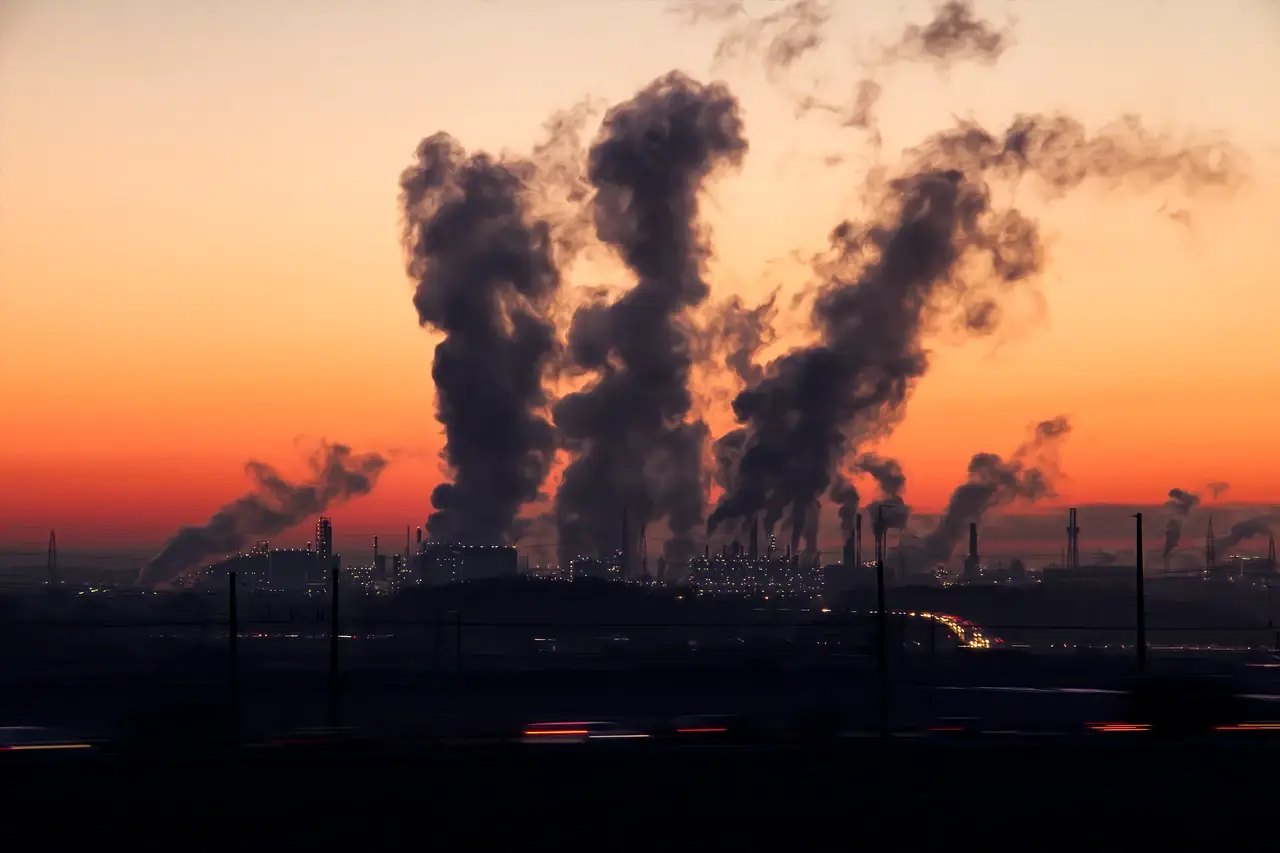
Video footage from the scene showed flames and thick black smoke rising above the facility. The blaze was brought under control and extinguished roughly 30 minutes later, according to the company.
At least seven people were injured in the incident, Bangkok's Erawan emergency medical centre reported. The cause of the fire is under investigation.
How big is the asset that just went dark?
The numbers matter here. Phra Khanong is a 120,000-barrel-per-day refinery at maximum capacity. Run that out over a full year and you're looking at roughly 44 million barrels of refining throughput — capacity that is now, at least temporarily, offline.
For context on scale: 120,000 barrels per day is a mid-sized plant by global standards, but for a national fuel market the size of Thailand's, it is a meaningful slice of domestic supply. Bangchak itself is one of the country's major oil refining and retail companies.
What does this change for the market and for operators?
For fuel buyers and traders in the region, the practical question is duration. A fire extinguished within 30 minutes does not necessarily mean a quick restart. Full-unit shutdowns, even after brief incidents, typically require inspection, safety certification and damage assessment before production resumes — and the company has not given a timeline for restarting. The cause remains under investigation, so any restart schedule is, for now, speculative.
For refinery operators and insurers, the incident is a reminder of how fast a single afternoon event can take capacity off the board. A fire that started around 2.45pm local time was out by roughly 3.15pm — and still resulted in a total production halt and at least seven injuries.
The emergency response appears to have been fast on both counts. The fire was contained and extinguished in about half an hour, and the injured were counted through Bangkok's Erawan emergency medical centre, the city's standard incident-medicine hub.
What happens next
Watch two things. First, Bangchak's statements on a restart date for Phra Khanong's production units — that single announcement will drive any supply-side impact on Thai fuel markets. Second, the findings of the investigation into the fire's cause, which will determine whether this reads as a contained operational incident or a signal of deeper problems at the 120,000-barrel-per-day site.
Until the company speaks again, the plant's full capacity sits idle, and Thailand's refining sector is running with one major unit out.
Source: The Guardian Business
More from Nathan Brooks
Show full bio
News editor covering regulation, policy and their impact on entrepreneurship, startups and venture funding at Business Bearings.
2,839 articles