French Bonds and Stocks Sell Off After Weekend of Violent Protests
France's bond and stock markets sold off after weekend protests left buildings burned and almost 2,400 arrested. The French-German 10-year spread widened as investors fled.
By Amara Osei
2 min read
Updated
What's News
- Almost 2,400 people have been arrested in France, the interior ministry said on Sunday.
- The French-German 10-year borrowing cost gap widened after the weekend unrest.
- Weekend protests left public buildings burned and hundreds of shops looted.
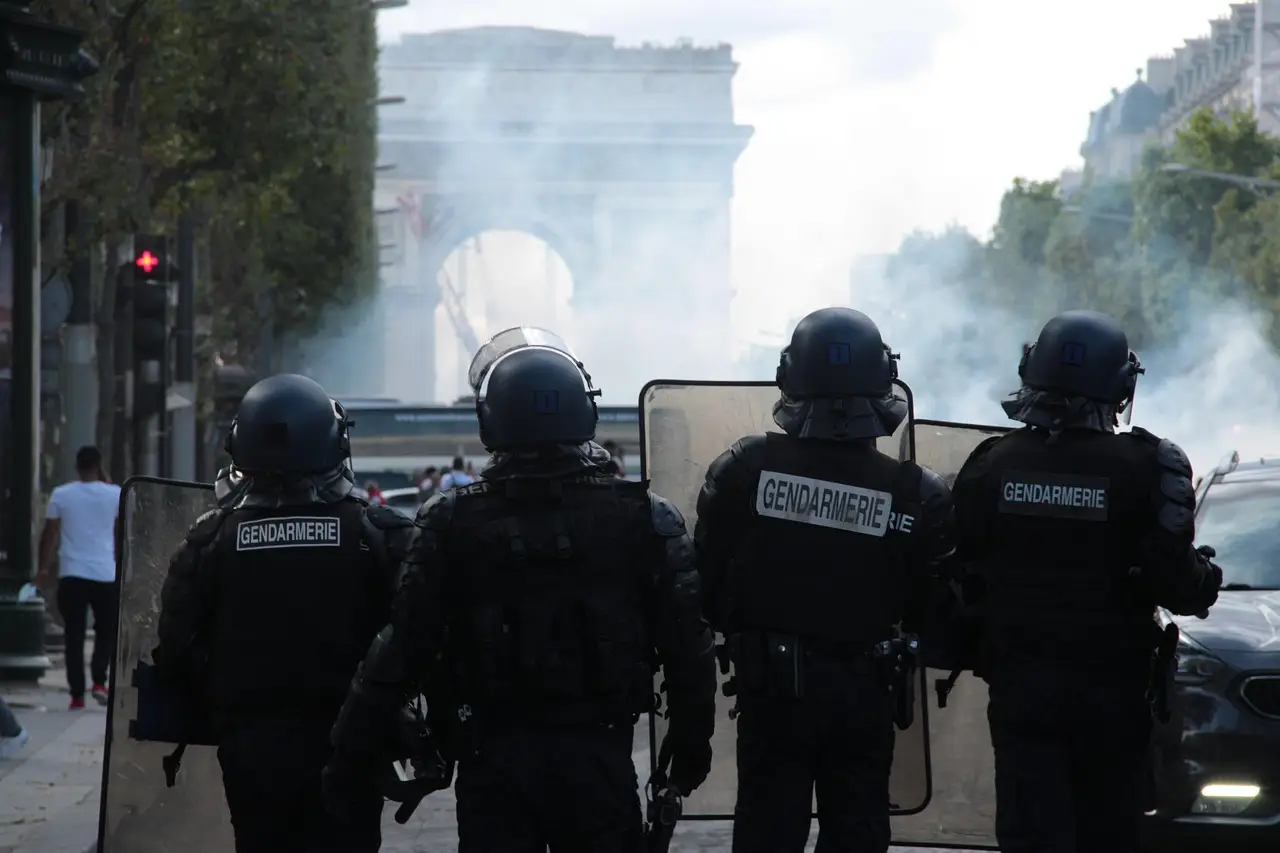
- Police deployed teargas in confrontations with protesters.
- Both French bonds and stocks sold off simultaneously on Monday.
By Amara Osei
France took a fresh hit in its bond and stock markets on Monday after a weekend of violent protests left public buildings burned, hundreds of shops looted and thousands of arrests across the country.
The gap between French and German 10-year borrowing costs widened as the unrest unnerved investors. That spread is the market's cleanest read on French political risk, and it moved against Paris on the open.
Almost 2,400 people have been arrested in France, the interior ministry said on Sunday. Police deployed teargas in confrontations with protesters, according to reports from the clashes.
What drove the sell-off?
The trigger wasn't economic data. It was the scale of the disorder itself. Investors watched scenes of burned public buildings and looted shops — hundreds of them — and repriced the risk of holding French government debt and equities.
A bond sell-off pushes yields up, which raises what France pays to borrow. A stock sell-off cuts the value of French companies. Both happened at once, and the widening French-German spread shows traders demanding extra compensation to hold French paper over benchmark German bunds.
Weekend violence that ends in thousands of arrests signals more than a bad few days. Markets read it as a test of political stability, and political stability is what keeps a country's borrowing costs anchored.
How serious is the market reaction?
The interior ministry's arrest figure — nearly 2,400 — is the hardest number in this story, and it came from the government itself on Sunday. That official count removed any room to dismiss the unrest as isolated. Investors priced accordingly.
France has been here before. The gilets jaunes protests in earlier years showed how quickly sustained street unrest can bleed into bond spreads and consumer confidence. Monday's move suggests traders are at least weighing a repeat.
Selling in both bonds and stocks at the same time matters. It points to a broad pullback from French assets rather than a rotation between them. Foreign investors, who hold a large share of French debt, tend to move first when political risk spikes.
What happens next?
The immediate question is whether the protests continue. One violent weekend produces a sell-off; a sequence of them produces a sustained risk premium on French debt.
Investors will watch three things:
- Whether the arrest count keeps climbing in coming days
- Whether the French-German 10-year spread widens further or stabilises
- Whether the government signals any policy response to the grievances behind the unrest
Interior ministry data and market pricing will tell the story in real time. For now, France is paying more to borrow because its streets, not its balance sheet, spooked the market.
The wider risk is contagion of sentiment across eurozone bond markets, where investors already track political stress country by country. A France that trades like a political risk story rather than a core market would change how the whole region's debt is priced.
Source: The Guardian Business
More from Amara Osei
Show full bio
Senior reporter covering companies, deals and strategy in entrepreneurship, startups and venture funding at Business Bearings.
1,028 articles