From Two Gifted Ponies to a Full-Time Care Home Business in Four Years
Sarah Woodland turned two gifted Miniature Shetland Ponies into Dinky Ponies, a full-time business running one-hour visits to care homes, children's facilities and nurseries.
By Nathan Brooks
4 min read
What's News
- Sarah Woodland started with 2 gifted Miniature Shetland Ponies and now has 7, four years later.
- Dinky Ponies visits are capped at 1 hour for animal welfare, with small groups rather than show-and-tell sessions.
- The pivot to indoor care home visits was triggered by seasonal weather ending outdoor sessions.
- Woodland had no prior business or care home experience and built the model by trial and error.
- She describes the business as incredibly hard and not hugely profitable, but her full-time job and passion.
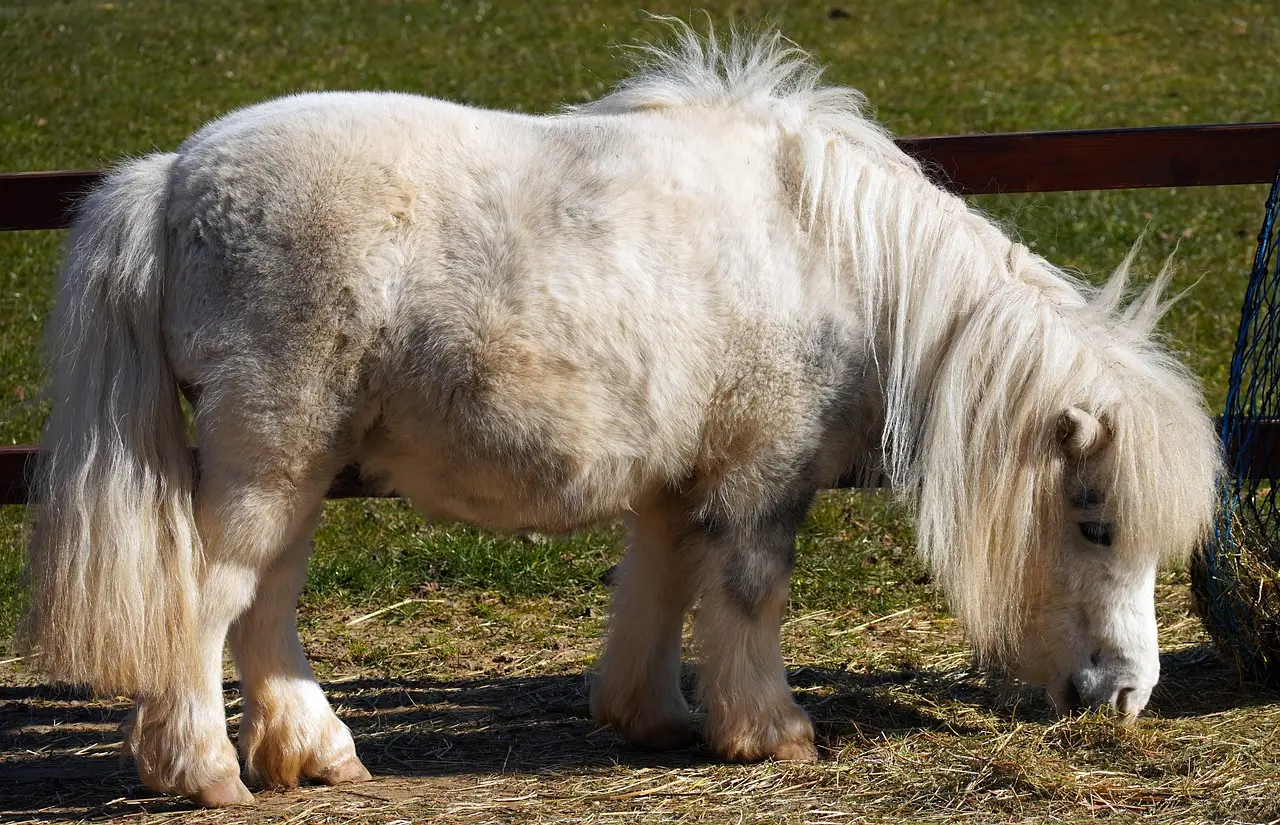
Four years after receiving two Miniature Shetland Ponies she didn't know what to do with, Sarah Woodland now runs a full-time business taking seven ponies into care homes, residential homes for children with special needs, and nurseries.
Woodland, founder of Dinky Ponies, told Business Insider how a pandemic-era commute turned into an unlikely venture. She spotted two miniature ponies in a field every day on her drive to work, asked about their owner, and a few months later was given the pair. "Long story short, a few months later, I was given those two ponies, not entirely sure what I was going to do with them," she said.
She had spent years as a groom — handling the daily care, health, management, and preparation of horses — but had never worked extensively with the miniature breed. She also had never run a business of her own.
How did the business actually start?
Woodland's first move was refusing to let the animals idle. "I didn't want them to just be field ornaments for the rest of their lives — they were horses that needed some sort of job to do," she said. But the breed's small size limits what it can do.
She messaged mothers she knew about stable management classes and pony handling sessions. After what she described as constant barriers, she began hosting parties and one-to-one sessions in locations around her — pub car parks and, in her words, random fields.
The admin came hard. With no business experience, she had to learn booking systems, invoicing, and small-business management on the fly. "It was a lot of admin to get my head around at the start," she said.
Seasonality forced the pivot. By the end of her first summer, Woodland knew outdoor sessions wouldn't survive cold, rainy fall and winter months. Then came the accidental breakthrough: a photo of a horse in an elevator made her wonder whether her ponies could handle buildings.
She tested the idea at a friend's children's day care up the road, bringing one pony indoors to see how it coped with the building and the children. There were no problems.
What does the care home model look like?
Around the same time, Woodland considered whether elder care homes would have budgets for pony visits. She had no care home experience, but she called a nursing home and asked to try it. "I really didn't have a clue what I was doing, but reckoned I would learn by trial and error," she said.
The ponies coped. The residents, in her words, absolutely loved the visit.
Today the model has firm operating rules. Visits are capped at one hour for the ponies' welfare, and Woodland deliberately keeps groups small. She said she'd rather have a limited number of people get quality time than run rushed show-and-tell sessions where residents only get a little time to pet the ponies before she moves on. She revisits the same homes throughout the year so different residents get a turn.
What did she have to learn the hard way?
Plenty, by her own account. "There was no model to follow and no blueprint to copy. Everything I've built, I've built myself, learning as I've gone along," she said.
The practical fixes are specific. The ponies' feet slip on laminate floors, and it took time to find shoes for them that, as she put it, don't look silly — she doesn't want working animals made to look ridiculous. Elevator rides are trained with a mint each time. Her own calm matters: the ponies mirror her state and can tell when she's stressed.
The care home learning curve surprised her most. Woodland said she wasn't prepared for how much she'd need to learn about what people living in care homes need — what to say, what not to say, and how residents feel when they see the ponies.
What does this change for niche service founders?
The honest answer: profitability remains thin. Woodland calls the work incredibly hard and not hugely profitable, but equally fulfilling, and she wouldn't want to do anything else right now. She also brings her sons along to children's visits, where she has felt proud watching them guide the ponies.
The resident reactions defy easy explanation. "They laugh, and sometimes they cry when they see them. You never know what the reaction will be," Woodland said. Her theory: the ponies' tiny size makes them appear young and foal-like, even though they are all actually very old.
For operators eyeing animal-assisted services in elder care, Woodland's four-year arc shows the demand exists — but so does the work of building logistics, animal welfare limits, and emotional intelligence from scratch.
Source: feeds.businessinsider.com
More from Nathan Brooks
Show full bio
News editor covering regulation, policy and their impact on entrepreneurship, startups and venture funding at Business Bearings.
1,641 articles