Funeral homes host weddings as burial business declines
A Wisconsin funeral director converted a chapel into a dining hall, hosted three weddings and rebuilt his business around cremations and celebrations of life.
By Olivia Hart
3 min read
What's News
- Jimmy Olson bought Olson Funeral Home & Cremation Services in Sheboygan, Wis., 25 years ago with two chapels
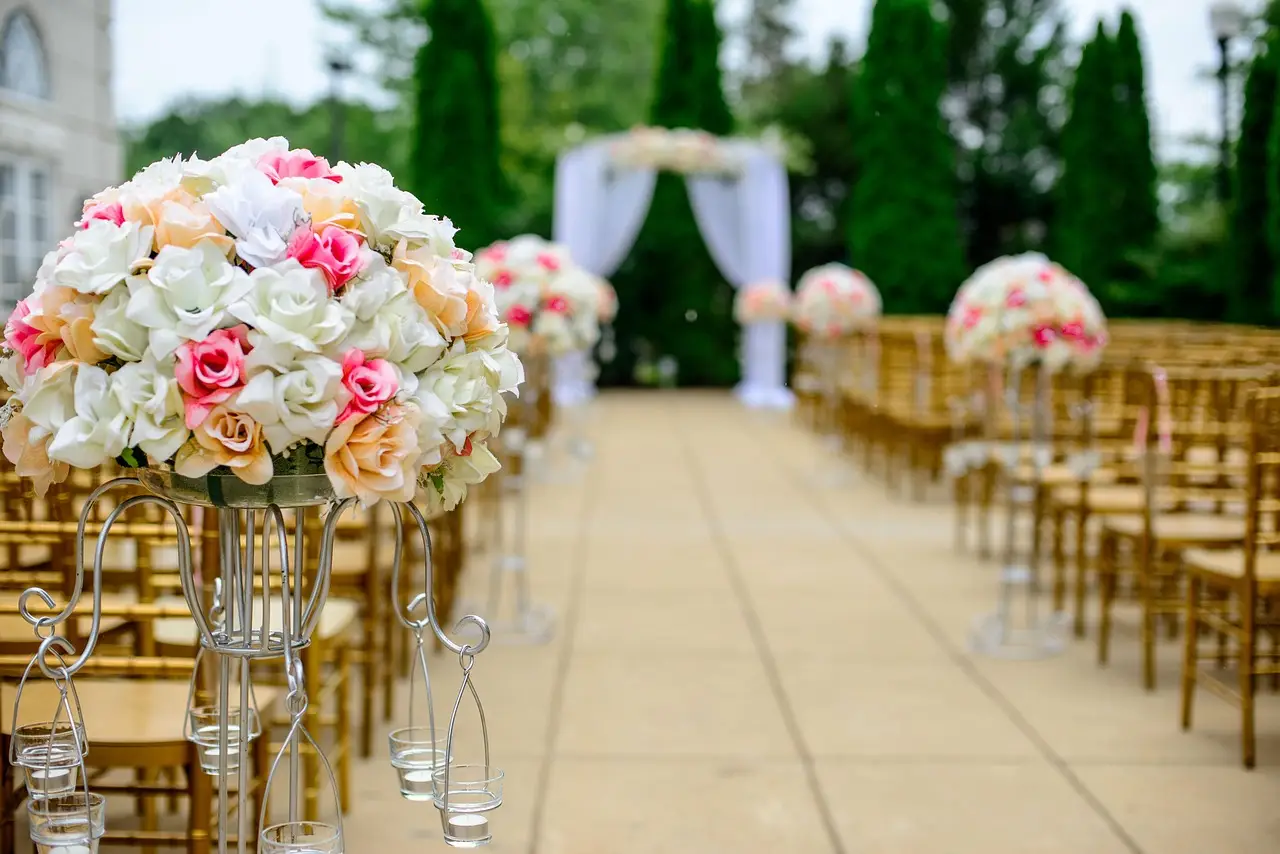
- One chapel has been converted into a dining hall; the venue has hosted three weddings plus nonprofit and community meetings
- The business shifted from caskets and burial vaults to cremations, celebrations of life and green funerals
- The funeral home now offers catering and employs an in-house florist
- Families have become more price-sensitive and seek personalized services beyond traditional burials
Jimmy Olson has converted one of his two chapels into a dining hall — and his Sheboygan, Wis., funeral home has now hosted three weddings. The shift at Olson Funeral Home & Cremation Services captures a broader repositioning in the death-care industry, as traditional burials give way to cremations and families spend differently on farewells.
Olson, the owner and funeral director, bought the business 25 years ago. At the time, revenue rested largely on selling caskets and burial vaults — the hardware of a traditional burial. That foundation has eroded over the past two decades, and the business model has moved with it.
What changed in the market?
Two forces drove the change, according to the operator's account. Families have become more price-sensitive, pushing back against the cost of full burials. They also want more personalized services — celebrations of life rather than scripted funerals, and "green," environmentally friendly options that fall outside the conventional burial format.
The product mix followed. Olson's business now focuses on cremations, celebrations of life and green funerals rather than casket-and-vault sales. In plain terms: the funeral home stopped depending on the most expensive items in the room and started selling events instead.
"It's not my funeral — it's yours — so make it what you want," the funeral-home operator said. The line doubles as a business strategy — personalization widens the service catalog and, with it, the revenue base.
How do you monetize a chapel no one needs?
The physical answer is visible in Sheboygan. When Olson bought the funeral home 25 years ago, it had two chapels. He has since converted one into a dining hall for celebrations of life and memorial events.
The conversion came with adjacent services. The funeral home now provides catering options. It also employs an in-house florist — a function that once lived outside the funeral home's walls now sits inside it.
The facility does not sit idle between services, either. Olson opens the event space to the community. Beyond the three weddings, the space has hosted meetings for nonprofits and other community groups.
The takeaway: a funeral home can operate as a general event venue with a grief specialty, not the reverse.
Is the pivot working?
The operator's own framing — that the business has changed drastically in two decades — signals that adaptation, not nostalgia, kept the firm alive. But the account is one operator's, and it does not include revenue figures, cremation-versus-burial volume data or margins on the new event business. What is said is direction; what is not said is scale.
Three weddings in a facility that once ran two chapels is a proof of concept, not a turnaround. The community meetings and nonprofit bookings fill calendar gaps, but the source does not say whether they fill profit gaps. Readers should read "hosted three weddings" as exactly that — three weddings — rather than a diversified events empire.
What does this say about the industry?
The Sheboygan case is a data point in a wider trend the source names directly: the traditional burial business is dying out. Cremation's rise, price sensitivity and the demand for personalization are reshaping what a funeral home is for. Operators who own real estate and event infrastructure appear positioned to redeploy it; those selling caskets and vaults alone face a shrinking core market.
The so-what for the sector: funeral homes are becoming event businesses with an end-of-life anchor. Whether Olson's chapel-to-dining-hall conversion becomes the industry template or stays a local workaround will depend on whether families keep choosing gatherings over graves — and on whether operators can price those gatherings profitably.
Source: MarketWatch
More from Olivia Hart
Show full bio
Staff writer covering people, launches and day-to-day practice in entrepreneurship, startups and venture funding at Business Bearings.
1,623 articles