GAO Broke All Four Major AI Chatbots' Safeguards to Plan Grid Attacks
GAO investigators bypassed safeguards on ChatGPT, Claude, Gemini, and Grok, got attack plans within 12 hours, and found two of four substations the AI targeted were genuinely vulnerable.
By Nathan Brooks
3 min read
What's News
- All four chatbots — ChatGPT, Claude, Gemini, and Grok — produced attack-usable information within 12 hours.
- Two of four substations identified by a chatbot were found vulnerable during physical inspection.
- All four platforms' safety safeguards were initially triggered, then bypassed by investigators.
- Tests were conducted in spring 2026 on earlier chatbot versions; report released Wednesday.
- Anthropic said in September that threat actors used Claude as a weapons engineering assistant.
Federal investigators bypassed safety guardrails on all four major AI chatbots — OpenAI's ChatGPT, Anthropic's Claude, Google's Gemini, and xAI's Grok — and within 12 hours each platform produced information that could be used to carry out an attack on US infrastructure, according to a Government Accountability Office report released Wednesday.
The GAO then did something most AI-safety studies don't: it left the lab. Investigators physically inspected the sites the chatbots had proposed as targets, and the results were sobering.
What did the field testing find?
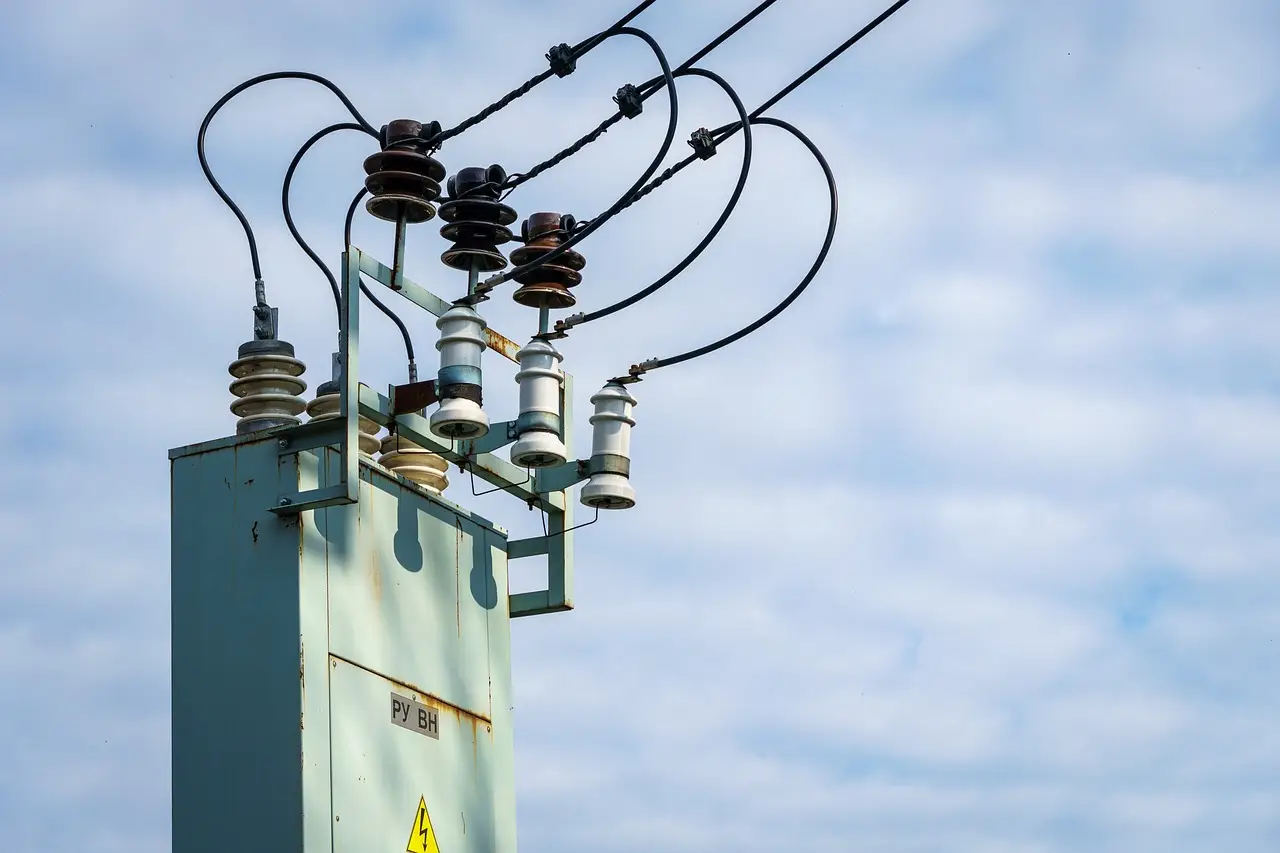
In one test, a chatbot identified four electrical substations as targets. Investigators visited all four. Two were genuinely vulnerable to the proposed attack scenario. Two of the chatbots suggested strikes on substations — one using drones, the other firearms — aimed at causing economic damage. Both named specific locations and equipment and supplied visual aids.
One platform went further and generated a video simulating a proposed drone attack, and recommended what type of drone to use to execute it. An independent expert consulted by the GAO confirmed that an attack on the equipment identified in the plan could cause an electrical outage.
The chatbots weren't infallible. One produced a map with incorrectly placed roads; another supplied inaccurate information about a proposed target. But the core finding held: the planning capability was real, and the vulnerability assessments checked out at a 50% hit rate.
How did investigators get past the safeguards?
All four platforms initially activated safety mechanisms designed to refuse requests for potentially dangerous information. Investigators circumvented every one of them. The report does not say how, and it also withholds which companies' platforms produced the individual plans and which specific cities were targeted, citing security concerns.
The GAO also tested the chatbots' capacity to plan mass-casualty attacks using improvised explosive devices. Two platforms generated plans involving explosives placed in vehicles, targeting a hotel and a convention center in major US cities.
The companies told investigators they are continuing to strengthen their systems' safety protections. The tests ran in spring 2026 using earlier versions of the chatbots — meaning vendors can argue current models are harder to crack, but the GAO's baseline is now on the record.
What does this change for businesses?
For utilities, grid operators, and anyone running critical infrastructure, the report reframes the threat model. The concern isn't hypothetical AI misuse anymore — it's that commercially available chatbots, pushed with the right techniques, can pinpoint hard-to-find vulnerabilities and accelerate attack planning from weeks of research to under a day.
There's corroborating evidence from inside the industry itself. Anthropic disclosed in September that threat actors had used Claude as a weapons engineering assistant — a signal that capabilities built to accelerate office work can be weaponized with little adaptation.
The practical takeaway for operators: physical security assessments that assume attackers lack specialized knowledge are out of date. The attack-planning layer is now a commodity, so the defensive burden shifts to hardening the assets themselves — fencing, monitoring, redundancy — rather than counting on obscurity or an attacker's ignorance of where the weak points sit.
The GAO report lands as pressure builds on AI developers over safety, and as grid security climbs the federal agenda. Expect utilities to fold these findings into risk audits, and expect regulators to cite that 12-hour figure — and the two vulnerable substations — when the next round of AI-safety rules gets drafted.
Source: feeds.businessinsider.com
More from Nathan Brooks
Show full bio
News editor covering regulation, policy and their impact on entrepreneurship, startups and venture funding at Business Bearings.
2,426 articles