Gas at $4.246 a gallon: Trump's oil gains hit $35.8 million as prices surge
Gasoline hit $4.246 a gallon, up 40% in a year, while Trump's oil and gas holdings climbed as much as $35.8 million, a congressional report finds.
By Grace Kim
4 min read
What's News
- Gasoline averaged $4.246 a gallon on Tuesday, up roughly 40% from a year ago, per GasBuddy.
- Trump's oil and gas wealth rose as much as $35.8 million this year to $81.6 million, a congressional report says.
- The S&P 500 Energy index is up about 52% year to date; the broader S&P 500 up nearly 13%.
- Americans have spent about $145 billion more on gasoline and diesel since March 1 than a year earlier.
- Brent crude is up roughly 87% and WTI nearly 75% since the start of the year.
By Grace Kim
Americans have spent roughly $145 billion more on gasoline and diesel since March 1 than they did over the same stretch a year ago — even as President Donald Trump's personal oil and gas holdings gained as much as $35.8 million in 2026, according to a report released Monday by the U.S. Congress Joint Economic Committee.
That report puts Trump's net holdings in the sector at as much as $81.6 million, meaning his oil and gas wealth has nearly doubled since the end of 2025. White House spokesman Davis Ingle said the president's stock and bond portfolio is "independently managed by third-party financial institutions," with all investment decisions "made entirely by independent managers. There are no conflicts of interest," he told MarketWatch.
Trump, canvassing for Republican candidates ahead of next week's midterm elections, has leaned hard into the sector's windfall.
What did Trump say about oil profits?
"The United States oil and gas business is making hundreds of billions of dollars," Trump said at a political rally in Perry, Ga., on Saturday, according to a transcription of his comments on Roll Call.
"I'm gonna say it," Trump added. "We're making a freaking fortune."
He credited buyers flocking to Texas, Oklahoma and Louisiana for oil after the U.S. and Israeli strikes against Iran starting in late February unleashed supply bottlenecks out of the Persian Gulf. U.S. energy companies' earnings have more than doubled from a year ago, according to data from Seaport Research, as global oil prices climbed more than 85% this year.
How far have prices and stocks run?
The numbers stack up fast. As of Tuesday, year to date:
- S&P 500: up nearly 13%
- S&P 500 Energy index: up about 52%, after settling at an all-time high Monday — its best pace since 2022, based on data going back to December 1994, per Dow Jones Market Data
- United States Oil Fund LP (tracking WTI crude futures): up 137% on the year, per FactSet
- Energy Select Sector SPDR ETF (holding ExxonMobil and Chevron): up nearly 53%
- Brent crude: up roughly 87%; WTI crude up nearly 75%, per Dow Jones Market Data
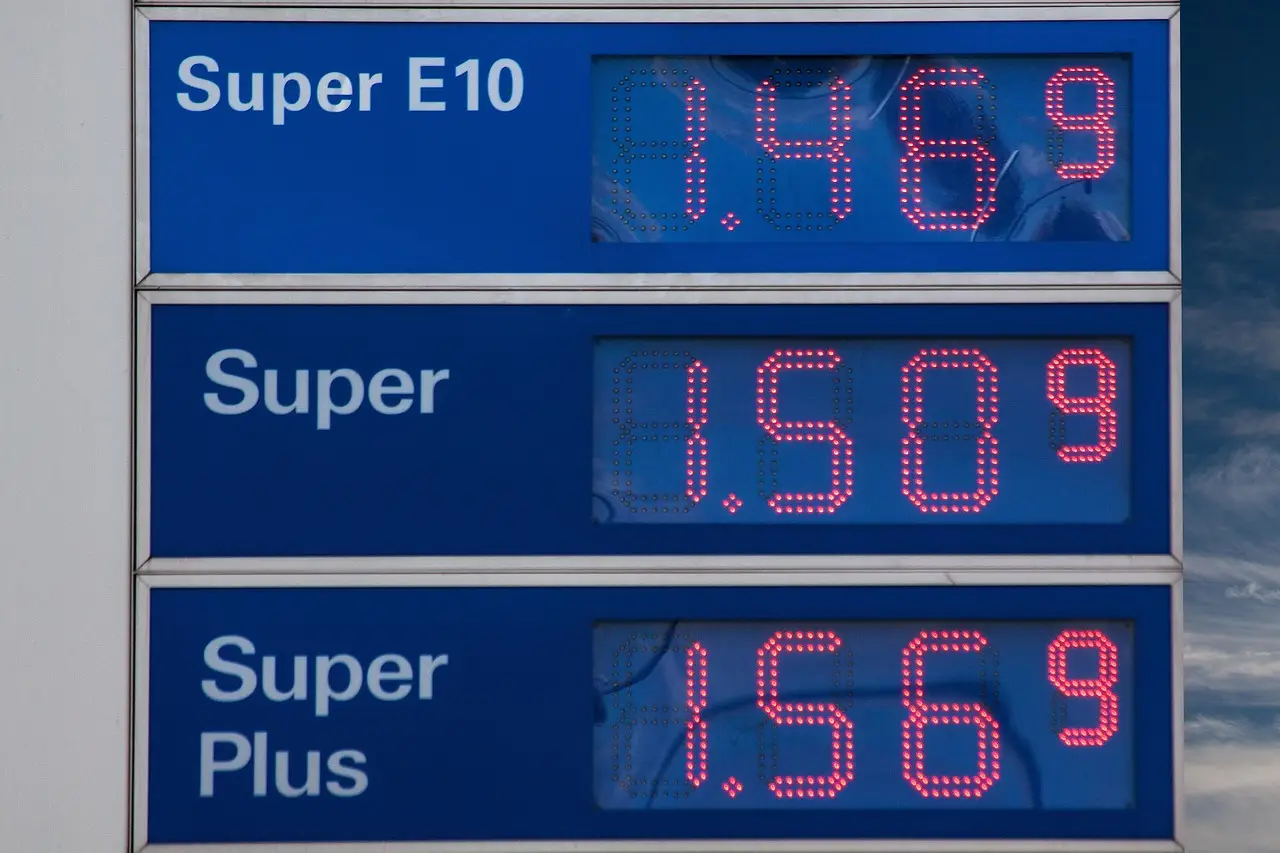
- Regular unleaded gasoline: $4.246 a gallon on Tuesday, roughly 40% higher than a year ago, per GasBuddy
Instead of being the lowest year for gas prices since 2020, as some had anticipated, the Iran war risks making it the "most expensive year for gas prices, ever," Patrick De Haan, head of petroleum analysis at GasBuddy, said in a social-media post.
Record-high energy stocks have helped keep the bull market going. But the gains don't reach everyone.
Who is bearing the cost?
"Not everyone is feeling the impact of rising equity valuations," said Kenneth Kim, senior economist at KPMG. Lower-income families often don't own stocks or have a 401(k), and they've felt the "direct brunt of higher energy prices eating into their paychecks," Kim told MarketWatch.
That's why affordability remains "a key issue for the upcoming elections," Kim said.
The president's priority continues to be lowering gas prices for American families, Ingle said. Trump has issued a waiver on the Jones Act — temporarily removing some restrictions on waterborne oil shipments between U.S. destinations — which was extended through mid-November. More recently, he announced plans to use Defense Production Act funding to expand domestic petroleum production, storage and refining.
Those efforts have had a limited effect so far, De Haan told MarketWatch.
What comes next for oil prices?
While much of the market's attention sits on artificial-intelligence trades, energy has been the S&P 500's best-performing sector in 2026, said Rob Thummel, senior portfolio manager at Tortoise Capital. Refiners have also performed well, as the lack of global refining capacity has created supply scarcity and boosted refining margins, he said.
Exxon and Chevron will likely generate high free cash flow in 2027, Thummel added, which can offer financial independence and resilience against commodity price swings. The geopolitical risk "premium" embedded in oil prices looks likely to "remain high for an extended period time," he said.
"For oil prices to drop materially, there will need to be a long-term solution that ensures that the Strait of Hormuz will remain open and traffic in and out of the strait is not disrupted," Thummel said.
Until that strait is secure, pump prices stay the story — and the bill keeps landing on the people least able to pay it.
Source: MarketWatch
More from Grace Kim
Show full bio
Market editor covering people, launches and day-to-day practice in entrepreneurship, startups and venture funding at Business Bearings.
1,274 articles