GM Bets $866 Million in Software Costs on 2028 Compute Overhaul
GM's fourth-gen EV platform leads with a 40x more powerful Central Compute Unit, a 2028 Escalade IQ debut and hands-off highway autonomy.
By Grace Kim
3 min read
Updated
What's News
- GM's capitalized software amortization expense in 2025 was $866 million.
- The fourth-generation EV platform debuts in 2028 with the Cadillac Escalade IQ.
- GM's new Central Compute Unit is 40 times more powerful than existing systems and cuts wiring by 30%.
- GM engineers ran 300,000 virtual designs of a lithium-manganese-rich battery pack before the first physical prototype.
- Volkswagen struck a $5.8 billion joint venture with Rivian after its own software effort stalled.
GM spent $866 million on capitalized software amortization in 2025 alone, and on Wednesday it showed what that money is buying: a fourth-generation EV platform built around computing power rather than chassis specs.
The announcement came at GM's annual Forward event in New York. Notably absent were the traditional automotive talking points — suspension geometries, dash-to-axle ratios, torsional rigidity. Instead, GM centered its pitch on new battery chemistries, revamped electric motors and a central computing platform that connects every system in the car: acceleration, power, steering, braking, active safety and, in the company's words, lots of software.
"We think vehicles can become a more capable and helpful part of everyday life if we make them spaces that understand context, reduce friction, and give people back moments that would otherwise be consumed by the demands of the road," Sterling Anderson, GM's executive vice president of global product and chief product officer, told TechCrunch.
Since Tesla, Rivian and Chinese automakers reshaped the market, ride and handling have become table stakes. Software now sets vehicles apart.
What did GM actually commit to?
Dates. The technological overhaul debuts in 2028 with the Cadillac Escalade IQ, the vehicle shaping up as GM's technological flagship. That same year, GM plans to roll out an autonomous highway driving feature that lets drivers take hands and eyes off the road — with no obligation to stand ready to take over.
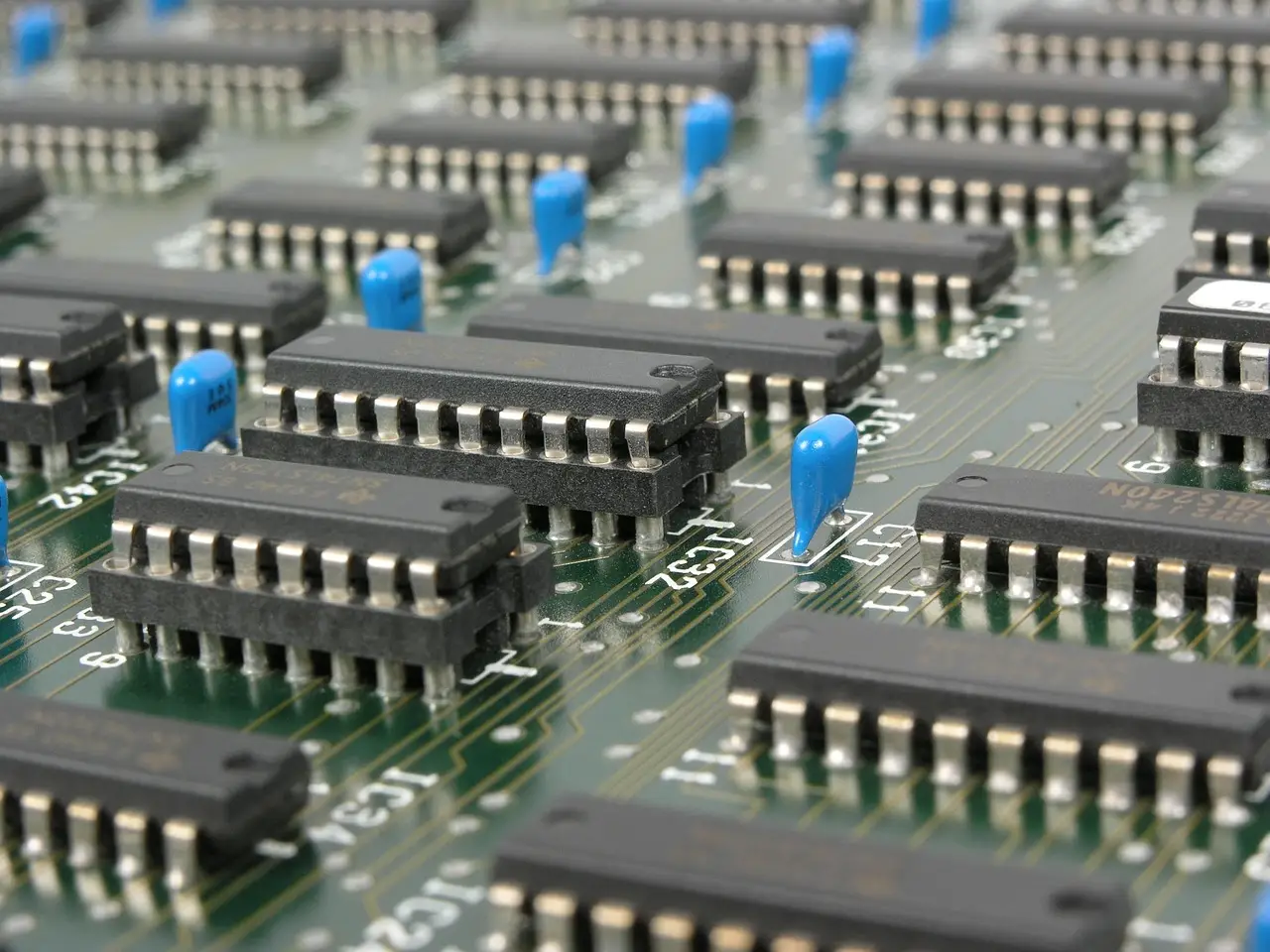
The centerpiece is a Central Compute Unit (CCU) that GM says is 40 times more powerful than its existing systems. It replaces the old approach of scattering chips throughout the vehicle. Cutting those edge chips trims wiring by 30%, saving weight and simplifying assembly. The CCU will run on fossil fuel models too, not just EVs.
Last year, GM previewed this direction: an overhaul of the electrical and computational guts of future vehicles to deliver faster software, more capable automated driving and a custom conversational AI assistant. This year, it filled in the details.
Why the hurry?
Pressure is building on every side. Tesla keeps pushing autonomy boundaries because it built a true software-defined vehicle from the start. Chinese manufacturers have compressed development cycles to two or three years, down from the industry's usual four to five. Their factories can produce far more than Chinese consumers can absorb, and with government subsidies and cheaper labor, their inexpensive vehicles have flooded markets from Europe to South America.
Chinese automakers' cost advantage is so steep that, without trade barriers, "they will pretty much demolish most other companies in the world," Elon Musk said on a 2024 earnings call.
GM intends to match the Chinese cadence, cutting its four-to-five-year timeline roughly in half. Enterprise AI tools are the lever. One example from Wednesday: GM engineers ran through 300,000 virtual designs of a new lithium-manganese-rich battery pack before assembling the first physical prototype. That moved the concept to an approved program in one month.
How does this compare with rivals?
GM isn't the first legacy automaker to chase the software-defined vehicle, and its peers have stumbled. Volkswagen Group struggled so badly with its in-house effort, including the troubled Cariad unit, that it struck a $5.8 billion joint venture with relative newcomer Rivian.
GM has gone its own way, and paid for it. It dropped Apple CarPlay from nearly all of its EVs in favor of a Google-based infotainment system — capable, per the source, though not yet matching Tesla's and Rivian's standards. Beyond infotainment, GM has poured billions into software and autonomous vehicle development, with the $866 million amortization figure offering a window into the scale.
The bet is that speed and software protect profitability through a historic upheaval in the auto industry. GM's move into autonomy mirrors Musk's pivot of Tesla toward an AI and robotics company. To deliver true autonomy, GM concluded it didn't have the platform it needed — with the new architecture, it figures it now has a fighting chance.
Original: news.gm.com
More from Grace Kim
Show full bio
Market editor covering people, launches and day-to-day practice in entrepreneurship, startups and venture funding at Business Bearings.
1,056 articles