Google Cloud Outage Hits UK Banks, Courts and NHS App
A power cut at Google's London europe-west2-b zone hit Revolut, HSBC, Lloyds and UK court hearings, reviving fears over reliance on a handful of cloud giants.
By Amara Osei
3 min read
Updated
What's News
- A power outage at Google's europe-west2-b zone in London disrupted Revolut, HSBC, Lloyds, Royal Mail, court video hearings and the NHS app.
- Problems peaked around 9am and were largely resolved by mid-afternoon, per Downdetector reports.
- Last year's AWS us-east-1 outage lasted about 15 hours, knocking out Roblox and Signal worldwide.
- Up to 60% of UK government infrastructure is hosted on cloud services, mostly Amazon, Microsoft and Google.
- Google says 75% of its new code is now AI-generated and approved by engineers.
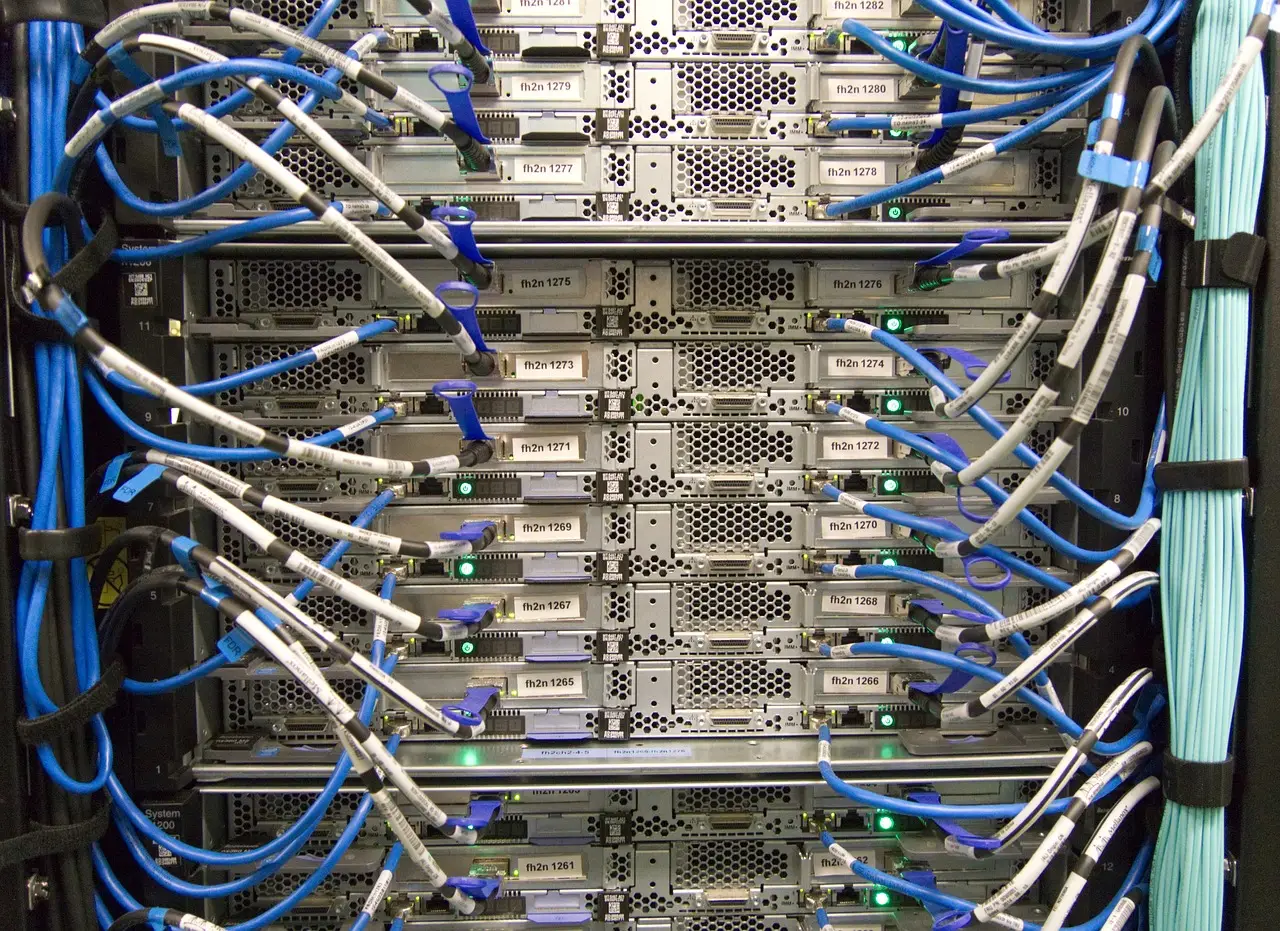
A power outage at a London datacentre in Google's europe-west2-b zone knocked out banking services, court hearings and NHS app functions across the UK on Thursday morning, with Downdetector logging failures at Royal Mail, Revolut, HSBC and Lloyds Bank.
The failures peaked at about 9am and were largely resolved by mid-afternoon, according to user reports submitted to Downdetector. Because Google Cloud stores data and runs operations for a wide range of businesses, the knock-on effects spread quickly — though they stayed mostly confined to UK businesses.
The failed facility sits in one of more than a dozen "zones" that Google maintains in Europe to service its clients.
How bad was the damage?
Revolut confirmed "a service disruption affecting multiple services", but added that "all our customers' money and data are safe". Lloyds said its app was working, but acknowledged that "we understand some [people] are having issues with certain online services this morning".
HM Courts and Tribunal Service, which runs remote video hearings across England and Wales, said it was "aware of an issue affecting Cloud Video Platform" and was "working with our technology partners to restore service".
Patients also reported temporary glitches on the NHS app.
Google put a formal stamp on the incident. A company spokesperson said: "We have resolved a disruption to Google Cloud services at a third-party facility in our europe-west2 cloud region due to a power event. Services have been restored. We will update our public status dashboard with an analysis of the incident."
How does this compare with last year's AWS failure?
Thursday's cascade has so far stayed smaller than the near-identical event a year ago, when Amazon Web Services went dark for about 15 hours. That outage hit a far bigger node — Amazon's us-east-1 region in northern Virginia, which hosts the greatest density of datacentres on Earth.
The effects went global. It took out the Roblox game platform and the Signal messaging app, and caused smart mattresses worldwide to suddenly heat overnight and toast their occupants.
Last year's AWS failure was later traced not to a power cut but to a bug in automation software. A separate outage stemmed from an AI tool Amazon had adopted after laying off tens of thousands of staff last autumn.
Are the hyperscalers 'too big to not fail'?
Internet infrastructure expert Michał "rysiek" Woźniak said the outages expose the growing concentration of the internet and vital public services on the infrastructure of a handful of "hyperscalers".
"Hyperscalers have become too big to not fail. But worse, they've become so deeply ingrained into the very fabric of our digital lives that switching away from them seems unimaginable," Woźniak said.
The exposure runs deep in the British state. The Guardian has reported that UK police keep vital data on Microsoft's Azure cloud, despite apparent awareness that this exposes sensitive information to US government insiders, hostile foreign actors and outages like Thursday's. Up to 60% of the UK government's infrastructure runs on cloud services — mostly Amazon, Microsoft and Google.
"I am sure Google's engineers are doing everything they can to mitigate them, but it is unreasonable to have a handful of gigantic companies whose outages time and again cause public institutions or large swathes of the digital economy to stop working en masse," Woźniak said.
Does AI-written code raise the risk?
Woźniak flagged a Google announcement this year stating that 75% of all new code is "now AI-generated and approved by engineers".
"One can only wonder how that affects the reliability and quality of Google's services. Multiple large outages at another hyperscaler, AWS, a year ago have been linked to internal AI tooling," he said.
Both incidents — Thursday's power event and last year's 15-hour AWS blackout — underline the physical, often creaking infrastructure beneath the virtual economy. With 60% of UK government systems and much of the banking sector riding on three US providers, the next single-zone power cut is less a hypothetical than a scheduling question.
Original: questions-statements.parliament.uk
More from Amara Osei
Show full bio
Senior reporter covering companies, deals and strategy in entrepreneurship, startups and venture funding at Business Bearings.
1,084 articles