Google Felled 250,000 Trees Illegally for Finnish Datacentre
Finland's regulator ordered Google to halt work after the company illegally cleared 250,000 trees at Muhos for a €13bn AI datacentre project, sparking national outrage.
By Grace Kim
4 min read
Updated
What's News
- Google illegally felled an estimated 250,000 trees on 330 hectares at Muhos, Finland
- LVV ordered work stopped at Muhos and Otanmäki this month over missing environmental assessments
- The sites form part of a €13bn Google AI infrastructure project, the largest in the Nordics
- Over 93,000 people signed a petition demanding datacentre regulation and community compensation
- Finland has 145 datacentres at various planning stages; elections are in April
Finland's licensing authority has ordered Google to stop work at two datacentre sites after the company illegally clearcut an estimated 250,000 trees near the town of Muhos. The Finnish Licensing and Supervision Authority (LVV) issued the order earlier this month, finding Google had failed to complete the required environmental impact assessments before stripping all 330 hectares (815 acres) of forest.
Google's Finland country manager, Antti Järvinen, apologised last week but said the company had acted "on the best understanding we had of the legislation at the time."
What happened at Muhos and Otanmäki?
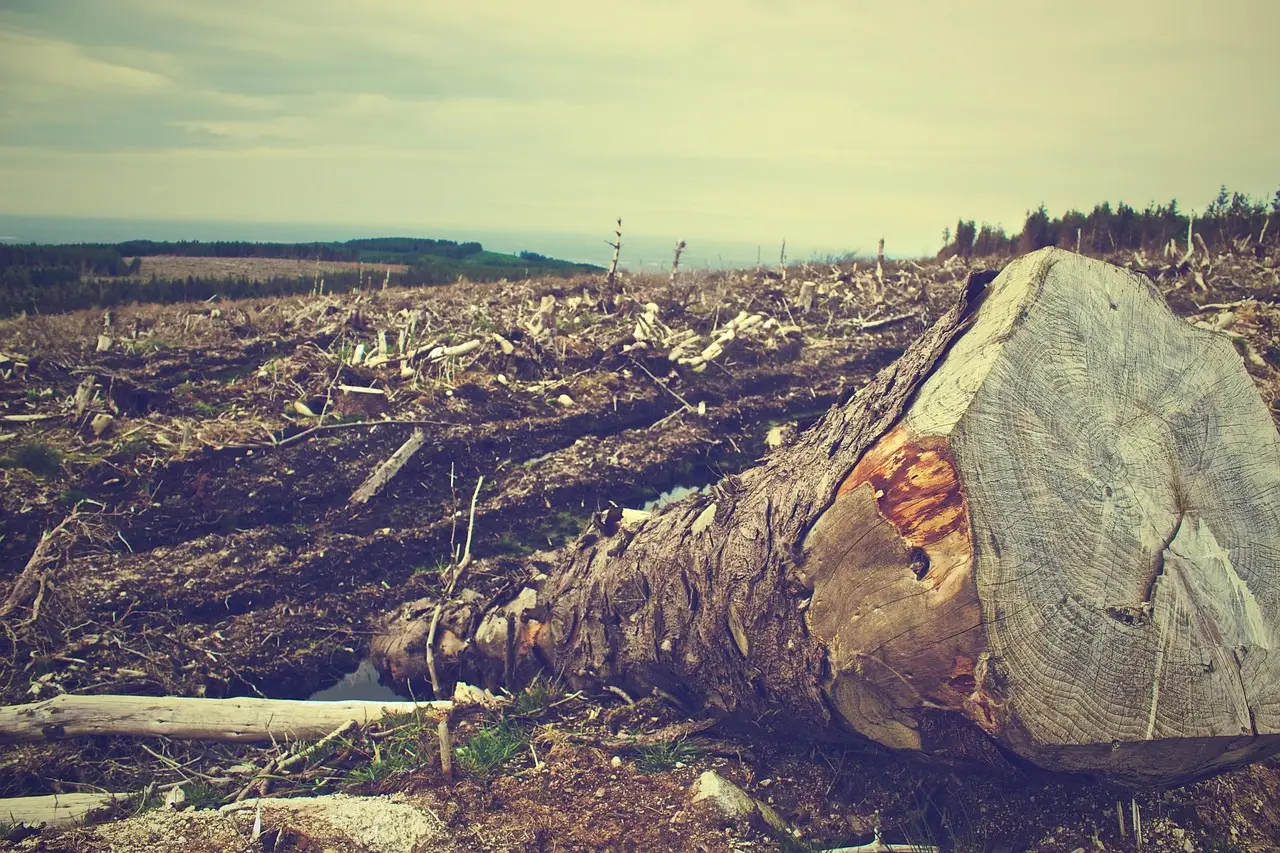
The Muhos site now sits as bare mud marked by machinery trails, mounds of roots and branches. Residents say brown water running off the site flows into a stream feeding the Oulujoki River. Mari Annala, an ecologist with the Finnish Association for Nature Conservation (SLL), viewed drone footage of the site from the perimeter: "It doesn't end. It goes on and on."
Annala estimates a further 150,000 trees were felled at Otanmäki, a village about 100km south-east. Because the felling was illegal, she said, the wood cannot be sold to wood-processing plants.
The two sites belong to a €13bn Google AI infrastructure project — the largest of its kind ever in the Nordics. Donald Trump has criticised it, publicly urging Google to build the centres in the US instead.
How has Finland reacted?
More than 93,000 people have signed a petition demanding tighter datacentre regulation and a fee compensating local communities for environmental damage. Prime Minister Petteri Orpo, who last month called attracting investment a "top priority" and said the deal would "deliver lasting benefits for both parties," has since described Muhos as a "cold shower." The datacentre push is likely to become a key issue in April's election.
Hanna Halmeenpää, chair of SLL's board, said: "At first I couldn't believe it. I have never heard that any company has done anything like this in Finland." She said the permitting system runs on trust, which Google exploited: "They bought the vast land area and they just started to cut it, just like that. It's pure arrogance and it's amazing."
What's in it for Finland?
Jussi Kangasharju, head of computer science at the University of Helsinki, said benefits are thin: "Really, for Finland, there are no benefits. They are international companies serving international customers. Very little corporate taxes go to Finland. Datacentres ultimately have very little benefit for others except the datacentre operator."
Finland has 145 datacentres at various stages of planning, drawn by geopolitical stability, cheap land and a cool climate that cuts energy costs. Critics question why Finland's renewable energy should power international corporations while households face rising prices. Some voices, including Kangasharju's implied point on fragmented oversight, back a centralised coordinating body rather than leaving decisions to municipalities.
What do locals say?
In Otanmäki, a former mining village known for rare earth elements, residents report displaced wildlife. "We had wolves coming into the village because all the wild animals moved out of the forest," said Anni Ranta, 53. "They fled." She worries about noise on the hardrock soil — "it's like a drum" — and fears the site could make the village a target for Russia. She is considering moving out: "It's going too fast, too soon."
Her father, retired wilderness guide Pentti Korhonen, said the stream water has turned brown: "There is no need at all for datacentres in Finland. No need for datacentres at all."
Vesa Hyyryläinen, chair of the local SLL district, said three-toed woodpeckers were pushed from nesting sites: "I wonder why we have to sacrifice so much of our nature. They give everything away too easily." He acknowledged the region's ageing population and the pull of investment: "Young people go to Helsinki and Berlin and Paris. We have to sacrifice."
What happens next?
Veli-Matti Uski, director general of the environment ministry, said the government is monitoring the sector and "is prepared to propose legislative amendments as necessary."
Google said it is protecting water quality at Muhos and will replant trees across 130 hectares — a figure conservationists call far too low to offset the damage. A spokesperson said the company stopped preparatory works after receiving LVV letters on 6 October, will "fully comply" with the regulator's requests, and has operated in Finland for 15 years while meeting or exceeding environmental requirements.
With legislation lagging and developers racing to break ground, the April election may decide how much of Finland's forest the AI build-out consumes.
Source: The Guardian Business
More from Grace Kim
Show full bio
Market editor covering people, launches and day-to-day practice in entrepreneurship, startups and venture funding at Business Bearings.
1,089 articles