Google Lets Anyone Build Private Android Apps With AI
Google now lets Android users build private AI-coded apps via Google AI Studio, US-only, 18+. But 46% of developers distrust AI code accuracy, and production software is another game.
By Amara Osei
4 min read
What's News
- On October 13th, 2026, Google announced Android users can build private apps with Google AI Studio, US-only and 18+, with no public store listing.
- The 2025 Stack Overflow survey found 84% of developers use or plan to use AI tools, but 46% distrust AI output accuracy vs 33% who trust it.
- Google's DORA 2025 research frames AI as an amplifier of a team's existing strengths and weaknesses.
- Personal apps stay out of Play search; public listing requires trust-and-safety reviews.
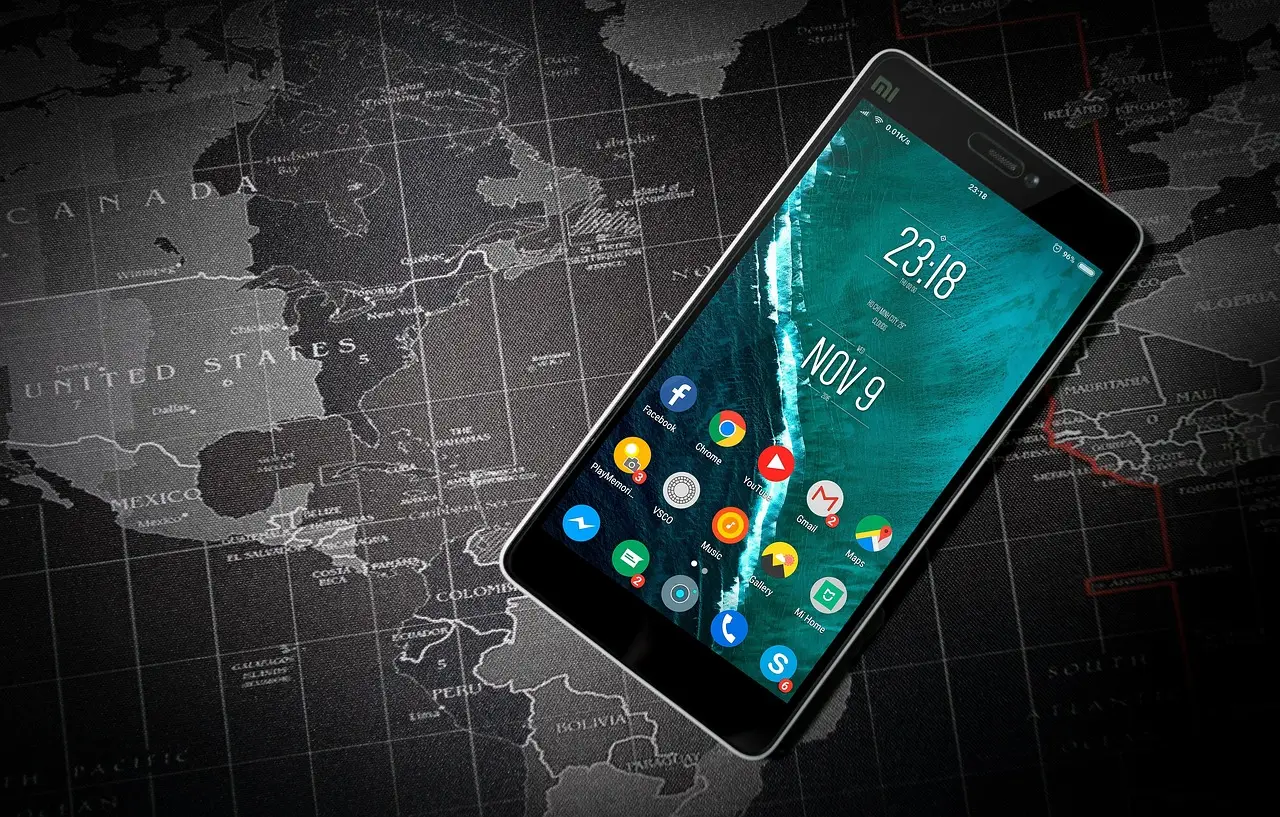
On October 13th, 2026, Google announced that Android users can build their own apps with Google AI Studio and run them privately on their phones through Google Play — with no public store listing required. The first release covers the US only, for users aged 18 and over, and sharing with a small circle of trusted contacts is planned for the months ahead.
The apps are "vibe-coded": you describe what you want in plain language, and the AI writes it. Sam Bright, Google's VP and GM for Google Play and Developer Ecosystem, framed the shift as a move from "there's an app for that" to "there's an app for me".
For fifteen years, the question was "Which app should I download?" Now it can be "What do I want my phone to do?" Think of a parent who wants one screen showing the school pickup rota, the football schedule and the grocery list. No store has that app, because no store would ever build it. Today, that parent can describe it and have it on their phone by the evening.
Is a Personal App the Same as Software?
Not really, and the distinction matters for anyone building on the new capability. A personal app might only need to work for one person. Production software — a payroll system, a hospital booking platform, a bank's mobile service — has to work reliably for hundreds to millions of strangers.
The practical test: what happens at 3 a.m. when it fails? A personal app can often wait until morning. A service people depend on needs an immediate response, because people go unpaid, appointments are lost and money moves wrongly when it breaks. Production software also holds other people's data under legal duty, needs monitoring, audits and integrations with payments, identity and ERP systems, and must be maintained for years.
A gym-timer you built for yourself is a personal app. A system holding members' payments, health data and contracts is software, and it carries obligations that a prompt cannot replace.
Who Is Google's Move Really For?
Personal apps do not appear in Play search or listings and aren't shared beyond their creator. A popular app can later move to a public listing, but only after trust-and-safety reviews, and all apps must still follow Google Play's policies.
The design targets individuals, families and small circles — not companies rolling out systems to staff and customers. In practice: a student builds a revision planner matching her exam timetable; a shop owner builds a private stock-check screen; a cricket club captain builds an availability poll for twelve friends. Until now, most of these were never built because the cost was too high. Building something small and personal now costs almost nothing.
Where Personal Apps Compete — and Where They Don't
They compete on small, single-purpose utilities: custom unit converters, simple expense logs, workout timers, a to-do list shaped exactly your way. Why pay a subscription for a tool that does 5% of what you need, when you can build one that does 100% of it?
They don't compete where trust, scale or accountability is the product: banking, payroll, healthcare records, logistics, identity. Those systems need shared data, audit trails, integrations and people accountable when things go wrong. The honest picture isn't "apps replace software" — the long tail of tiny needs finally gets served, while serious software is judged on reliability, security and support.
Can You Trust AI-Written Code?
The 2025 Stack Overflow Developer Survey found 84% of developers use or plan to use AI tools, yet 46% say they distrust the accuracy of AI output, against 33% who trust it. AI makes writing code fast. It does not make code correct.
That's why serious teams treat quality as part of how software is made, not a final polish — the approach codified in the NIST Secure Software Development Framework: preparing the organisation, protecting the code, producing well-secured software and responding to vulnerabilities.
Ownership raises three questions before you commit:
- Code ownership: can you export the source, or does it live only inside one platform?
- Data portability: after a year of logging expenses, can you export them as a file you can open elsewhere?
- Application portability: can the app run outside the platform where it was built, or must it be rebuilt?
A personal app that is easy to build but hard to leave can become a quiet trap.
Why Engineers Matter More, Not Less
Google's DORA 2025 research describes AI's primary role as an amplifier: it magnifies an organisation's existing strengths and weaknesses. A team with good testing, clear ownership and sound design gets faster and better. A team without them gets faster at making mistakes.
The engineer's job is shifting from typing code to judging it — deciding what to build, checking what the AI produced, and keeping the system safe. That's a more valuable skill, not a lesser one. Anyone with an idea can now turn it into a working app without coding knowledge, and the line worth keeping clear is this: a personal app serves one person; software other people rely on carries greater expectations of reliability, security and support.
Source: unite.ai
More from Amara Osei
Show full bio
Senior reporter covering companies, deals and strategy in entrepreneurship, startups and venture funding at Business Bearings.
2,260 articles