Harbinger Raises $240M Series D as Electric Truck Startup Pushes Into Defense
Harbinger raised $240M co-led by Tiger Global and Ridgeline, as FedEx ordered 2,000 trucks worth over $300M and the startup weighs an IPO.
By Olivia Hart
2 min read
What's News
- Harbinger raised a $240 million Series D co-led by Tiger Global, Capricorn's technology impact fund, and Ridgeline.
- FedEx ordered 2,000 trucks valued at more than $300 million, its first large order with the startup.
- Harbinger has raised more than $650 million to date since its 2022 founding.
- FedEx executive Paul Melander joined Harbinger's board of directors.
- Fidelity Management invested, and Harbinger is reportedly weighing going public.
Electric truck startup Harbinger has raised a $240 million Series D round, almost one year to the day after its $160 million Series C, as the Los Angeles-based company pushes beyond commercial vehicles into battery storage and defense applications.
Bloomberg News first reported the round. With the new capital, Harbinger has now raised more than $650 million to date — a rapid accumulation for a company founded only in 2022.
Who put money in?
Tiger Global co-led the Series D alongside Capricorn's "technology impact fund" and Ridgeline, a defense-focused investment firm. Ridgeline's participation signals where Harbinger sees its next chapter: the company has already revealed a driverless hybrid electric platform built for the military.
FedEx invested again after leading last year's round. Repeat backers also included Maniv, Greycroft, and Leitmotif, a venture firm backed by Volkswagen. New to the cap table is Fidelity Management, an institutional investor known for backing pre-IPO startups.
That detail matters. Harbinger is reportedly weighing going public, and a Fidelity stake typically precedes such a move — though neither the company nor its investors have confirmed any IPO timeline.
What is the FedEx relationship worth?
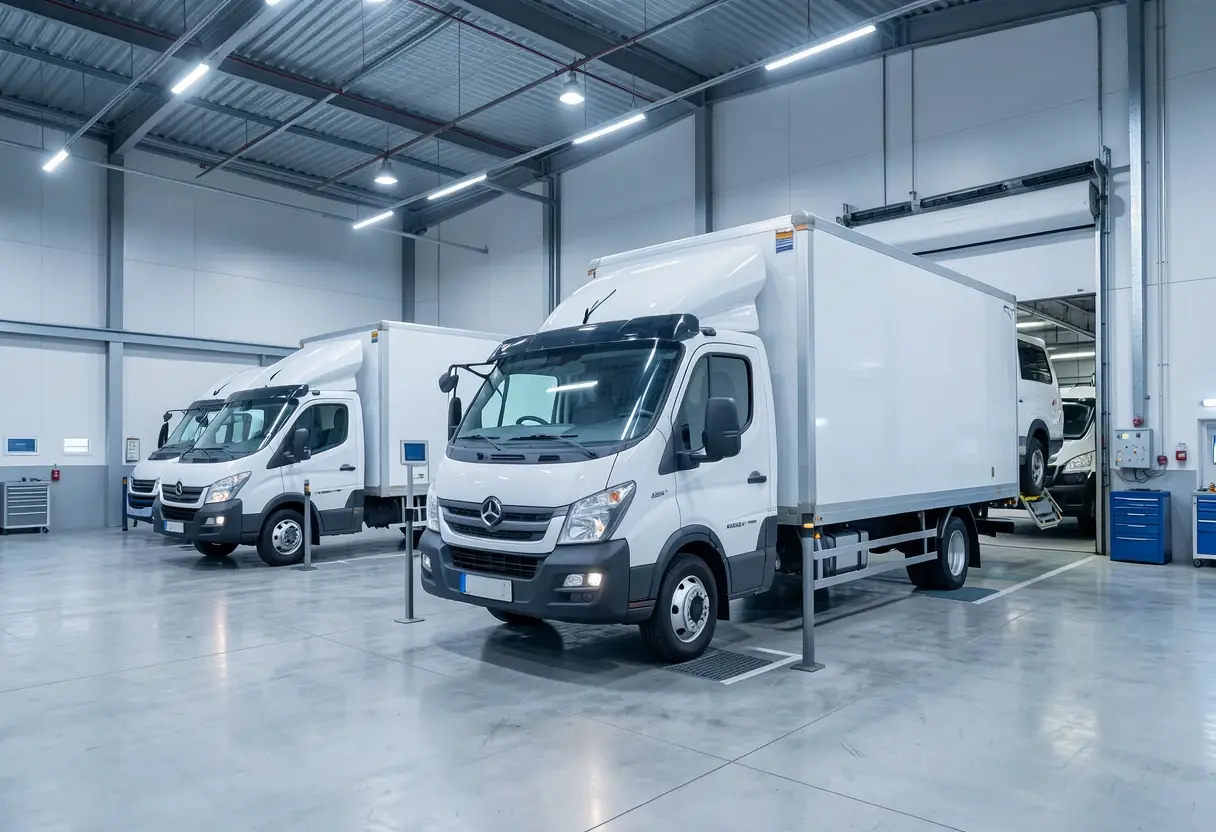
FedEx's commitment now extends well beyond a passive equity position. The shipping giant recently placed its first large order with Harbinger: 2,000 trucks valued at more than $300 million. That works out to roughly $150,000 per vehicle.
Paul Melander, FedEx's senior vice president of safety and transportation, has also joined Harbinger's board of directors. The move gives FedEx direct governance insight into a key supplier — and gives Harbinger a customer's voice inside the boardroom.
The relationship dates to the Series C, which included an initial truck order from FedEx. In twelve months, that relationship has evolved from a small commitment to a nine-figure purchase and a board seat.
The takeaway: Harbinger's anchor customer has moved from experimenting to committing real capital.
How did a 2022 startup get here fast?
Harbinger was founded in 2022 by former employees of Canoo, the now-defunct EV startup, and QuantumScape, the battery company. The company started with a narrow focus: one electric truck chassis.
It has since broadened considerably. Harbinger acquired Phantom AI, an autonomy startup. It has begun developing hybrid emergency vehicles. And it has unveiled a driverless hybrid electric platform for military use — the product line that likely drew Ridgeline into the round.
That expansion carries risk. Canoo's collapse shows how quickly capital-intensive EV ventures can fail, and Harbinger's diversification into autonomy, defense, and battery storage multiplies the number of markets it must execute in simultaneously.
Still, the fundamentals point upward for now: more than $650 million raised, a $300 million-plus order book from a Fortune 500 customer, and a fresh war chest to fund the defense push.
Original: bloomberg.com
More from Olivia Hart
Show full bio
Staff writer covering people, launches and day-to-day practice in entrepreneurship, startups and venture funding at Business Bearings.
1,539 articles