HGTV's Kim Myles Bought a 35-Year-Old Salon. Her First Move: Change Nothing.
HGTV Design Star winner Kim Myles bought Gadzooks, a 35-year-old Bethlehem salon, and promised her team six months of zero changes — then moved toward employee ownership.
By Grace Kim
3 min read
What's News
- Kim Myles and her husband Scott bought Gadzooks, a salon on the same Bethlehem, Pennsylvania corner for over 35 years, one year ago.
- Myles promised her team she would change nothing for six months, aside from interior sprucing-up.
- Gadzooks offers 401(k)s, maternity leave and mental health leave — rare perks in the salon industry.
- Kim and Scott plan to convert Gadzooks into an employee-owned company.
- Myles won HGTV's Design Star and spent two decades on television.
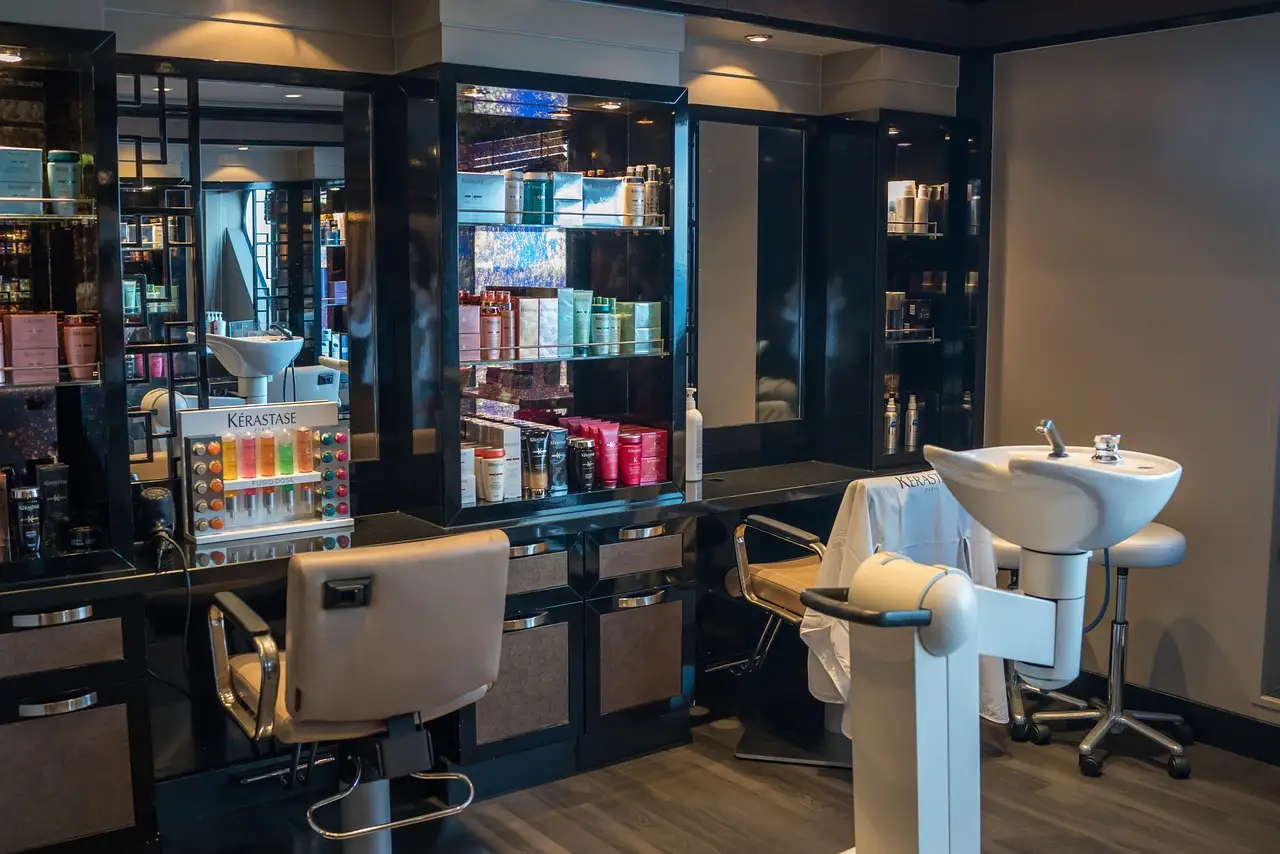
Kim Myles bought a salon that had operated on the same Bethlehem, Pennsylvania, corner for more than 35 years — and her first management decision was to change nothing for six months.
Myles, who won HGTV's Design Star and spent two decades on television, acquired the Gadzooks salon in the Lehigh Valley a year ago together with her husband, Scott. Rather than rebrand, restaff or rewrite the playbook, she promised the existing team she wouldn't change a thing for half a year, aside from sprucing up the interior.
Her advice to entrepreneurs buying beloved local businesses is blunt: "You be curious, and you shut up, and you listen."
Why 'change nothing' worked
Gadzooks sits in Bethlehem, a former steel town that, as Entrepreneur's editor in chief Jason Feifer notes, has spent 30 years figuring out what comes next after the mills. Feifer visited the salon as part of Entrepreneur's America's Favorite Mom and Pop Shops series, which goes on location to tell small-business stories firsthand.
The restraint strategy paid off on both sides of the ledger. Loyal customers kept coming through the door because the salon they knew hadn't been upended overnight. That stability gave Myles room to make gradual changes designed to bring in new clients without alienating the base.
The takeaway in plain words: when you buy a business people already love, the asset you're buying is their trust — and trust doesn't transfer to a new owner who starts by tearing things up.
She owns the salon. She doesn't cut hair.
Myles made a second counterintuitive call. Despite her design skills and profile, she doesn't cut hair at Gadzooks. She runs the business; the stylists who were there before her do the work they've always done.
Feifer framed the logic in one line: "If a company can't run without its owner, you didn't buy a business, you bought a job."
That distinction sits at the center of the acquisition. A salon that depends on its owner's chair time has a ceiling tied to one person's hours. A salon that runs on its team has value that can outlast any single operator — which matters for what Myles and her husband plan next.
401(k)s, maternity leave — and a path to employee ownership
Gadzooks already offers perks that are rare in the salon industry: 401(k) retirement plans, maternity leave and mental health leave.
The next step is structural. Kim and Scott plan to convert Gadzooks into an employee-owned company. Kim's stated goal is longevity, not exit value: "We hope by making this an employee-owned company that this outlives us."
That plan connects directly to the hands-off acquisition strategy. A six-month listening period preserved the team. Benefits that exceed industry norms retain it. Employee ownership would lock in the incentive for that team to keep the business running long after the founders step away.
What the takeover playbook looks like
Stripped to its mechanics, the Gadzooks acquisition runs on four moves, each reported in Entrepreneur's video segment:
- Buy an established business — 35-plus years on the same corner — rather than starting from zero.
- Commit publicly to six months of no changes beyond interior improvements.
- Keep the owner out of the service chair so the operation runs on the team, not on her.
- Move the endgame toward employee ownership so the business survives its buyers.
Myles also redesigned the salon without closing its doors, keeping revenue flowing through the renovation — part of what she describes as believing the long way is the right way, and what she calls building community in practice rather than in slogans.
The bet now is whether patience plus ownership can turn a 35-year-old neighborhood salon into an institution that outlives the people who bought it.
Original: kimmyles.com
More from Grace Kim
Show full bio
Market editor covering people, launches and day-to-day practice in entrepreneurship, startups and venture funding at Business Bearings.
1,259 articles