Inside Manheim New Jersey: 4,500 Cars a Week Reveal Where Auto Demand Is Heading
Manheim New Jersey moves 4,500 used cars a week. Hybrids now sell in 25 days, and 70% of bids arrive digitally — a live read on US auto demand.
By Daniel Okafor
4 min read
What's News
- Manheim New Jersey sells roughly 4,500 used vehicles each week across 17 in-person and 7 online lanes.
- Hybrids spend about 25 days on dealer lots versus a healthy used-car average of about 40 days.
- Roughly 70% of Manheim New Jersey purchases now come from digital buyers, up from about 30% pre-pandemic.
- Used-vehicle retail prices rose 4% through October while used retail sales fell 2%.
- Non-EVs rated above 40 mpg gained 9.9% in wholesale value since January; those below 15 mpg lost 15%.
By Daniel Okafor
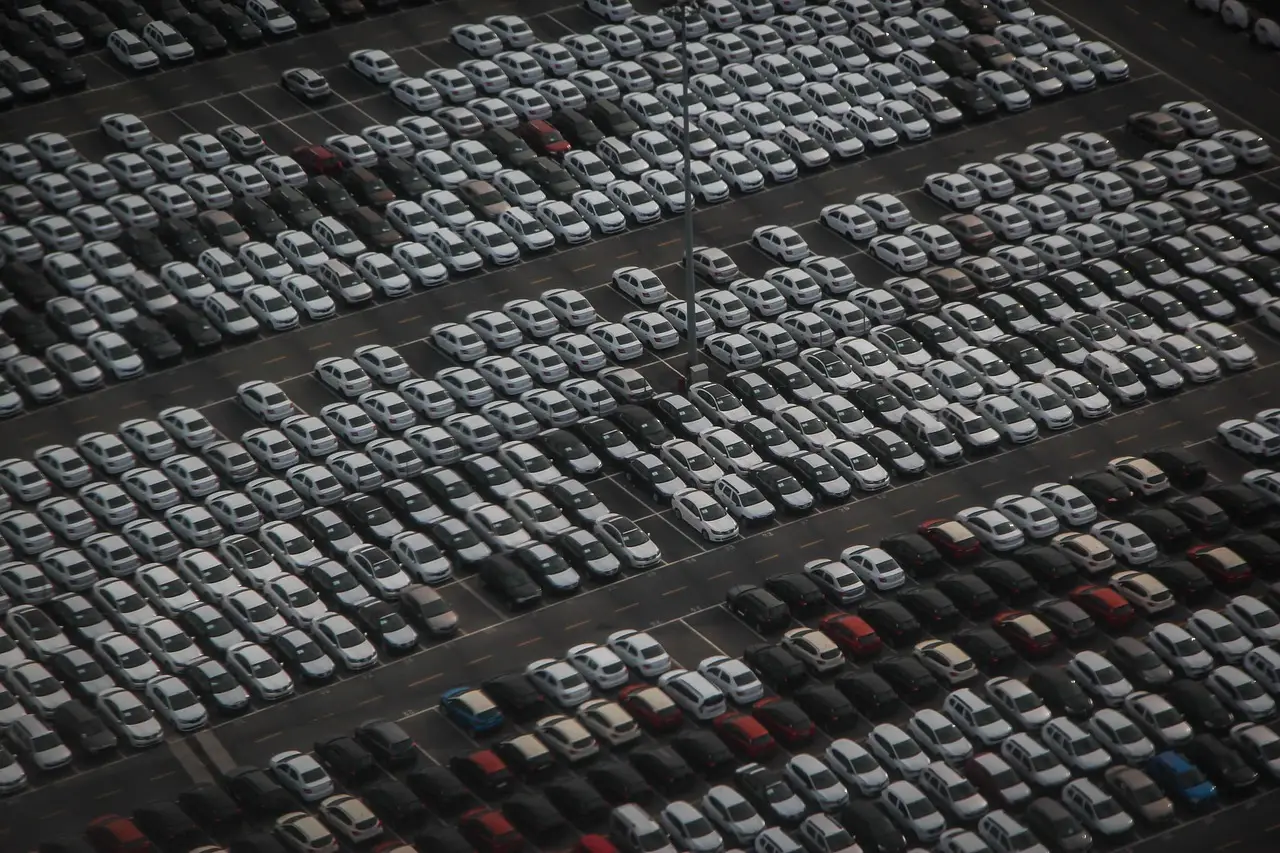
Manheim New Jersey sells roughly 4,500 used vehicles every week, and every one of them is a several-thousand-dollar bet on what American car shoppers will want within weeks. That pace makes the 350-acre lot one of the fastest real-time indicators in the auto industry. Carmakers spend years designing and launching new models. Dealers at regional auctions spend days repricing their bets.
"Nine-and-three! Nine-nine! Nine-and-three!" an auctioneer chanted at the lot, Business Insider reported from a Wednesday visit. "We have a four?" A split-second later: "Nine-and-four!" To outsiders, the calls sound like gibberish. To dealers, they are a call to action, with bids rising in a flash across 17 in-person and seven online auction lanes.
The vehicles ranged from beat-up Honda Civics to freshly off-lease BMW X7s, and from a first-generation Ford Edge roughly 15 years old to a Toyota bZ Woodland that only started reaching US dealerships months ago. Manheim, owned by Cox Automotive, operates 80 auctions across the US and says it handles more than 7 million vehicles each year.
How does a car get ready for the auction lane?
Cars arrive at Manheim New Jersey with very different histories. Rental fleets, automakers, dealerships, and banks all send vehicles in varying states of repair. The cars do not simply appear in a lane and leave with the winning bidder.
The work starts well before sale day. Incoming vehicles crawl through Manheim's fixed image tunnels at about 5 mph. The scanners assess body panels, tire tread, and the undercarriage for potential issues. Sellers then choose what happens next: detailing, repainting, repairs, or fresh photography. At the New Jersey site, the work can range from touching up a paint scratch to replacing an engine. If the work is not worth it, a car runs through as-is.
Manheim says its network employs roughly 1,500 auto technicians and reconditioning experts to keep that pipeline moving.
What does the early warning system say right now?
Grace Huang, president of Cox Automotive Inventory Solutions, said gas prices are having an outsize impact on the market. The clearest signal is hybrids. National demand has spiked, and so have their prices. Manheim says a hybrid now spends about 25 days on a dealer lot before selling, against a healthy used-car average of around 40 days.
Interest in EVs tracks fuel costs almost exactly. Huang said EV interest has a nearly one-for-one correlation with gas prices: when the pump price rises, EV interest rises with it.
The broader price data points the same direction. Manheim says used-vehicle retail prices were up 4% through October this year, even as used retail sales fell by 2%. The wholesale value of non-EVs rated above 40 mpg rose 9.9% from January. Vehicles rated below 15 mpg lost 15% of their value in the same window.
The auction also picks up crime trends. Alan Wang, senior vice president of physical services and auctions at Manheim, said the company has recently seen an uptick in criminal activity around BMWs and Cadillac Escalades. The lots are surrounded by military-grade fences. When someone asked a driver what would happen if he slammed the Ford Transit into a barricade, the answer was blunt: "The engine would go into the backseat."
Why do the auctioneers still have jobs?
Manheim has an old-timey feel, and the fast-talking auctioneers are a core part of it. They are not going away soon. Huang said technology exists that could handle the basic mechanics of bidding, but it has not replicated an auctioneer's ability to turn a sale into a personal challenge for a dealer.
"Our auctioneers are really good at saying, 'Dealer A, I know you want this Jeep,'" she said. Many of them work cattle auctions when they are not selling cars.
The digital shift changed the crowd, not the craft. Before the pandemic, about 30% of Manheim New Jersey's sales happened online, the company said. COVID pushed dealers out of the auction lanes, and Manheim went fully digital. Auctioneers still stood in person and called the sales, wearing PPE, while dealers bid through the company's app.
Much of that behavior has stuck. Manheim says roughly 70% of purchases now come from digital buyers.
"That's why we could have you here," Huang said. "Before the pandemic, it was too jam-packed to have anyone come visit. The whole auction was packed shoulder-to-shoulder."
The so-what for the industry: if hybrids keep clearing lots in 25 days and sub-15-mpg vehicles keep shedding 15% of their wholesale value, the used-car channel will keep rewarding dealers who read fuel prices faster than the factories can respond.
Source: feeds.businessinsider.com
More from Daniel Okafor
Show full bio
Correspondent covering money, funding and market shifts around entrepreneurship, startups and venture funding at Business Bearings.
2,189 articles