Iran Blacklists 26 Tugboats as Hormuz Shipping Pressure Mounts
Iran’s blacklist of vessels transiting Hormuz without Tehran’s permission now includes 26 tugboats; the total stands at 266 vessels, raising risks for towing, salvage and firefighting providers.
By Nathan Brooks
3 min read
What's News
- Tasnim reported that 26 tugboats joined the Persian Gulf Strait Authority’s non-compliance list.
- The list reached 266 vessels transiting without Tehran’s permission, according to Tasnim.
- The authority’s May statement warned service providers supporting tankers could also be listed.
- The IMO recorded four deaths and three severe injuries in a March incident involving a tug off Oman.
- A Panama-flagged tug was damaged earlier this month; an earlier Netherlands-flagged vessel incident injured a seafarer.
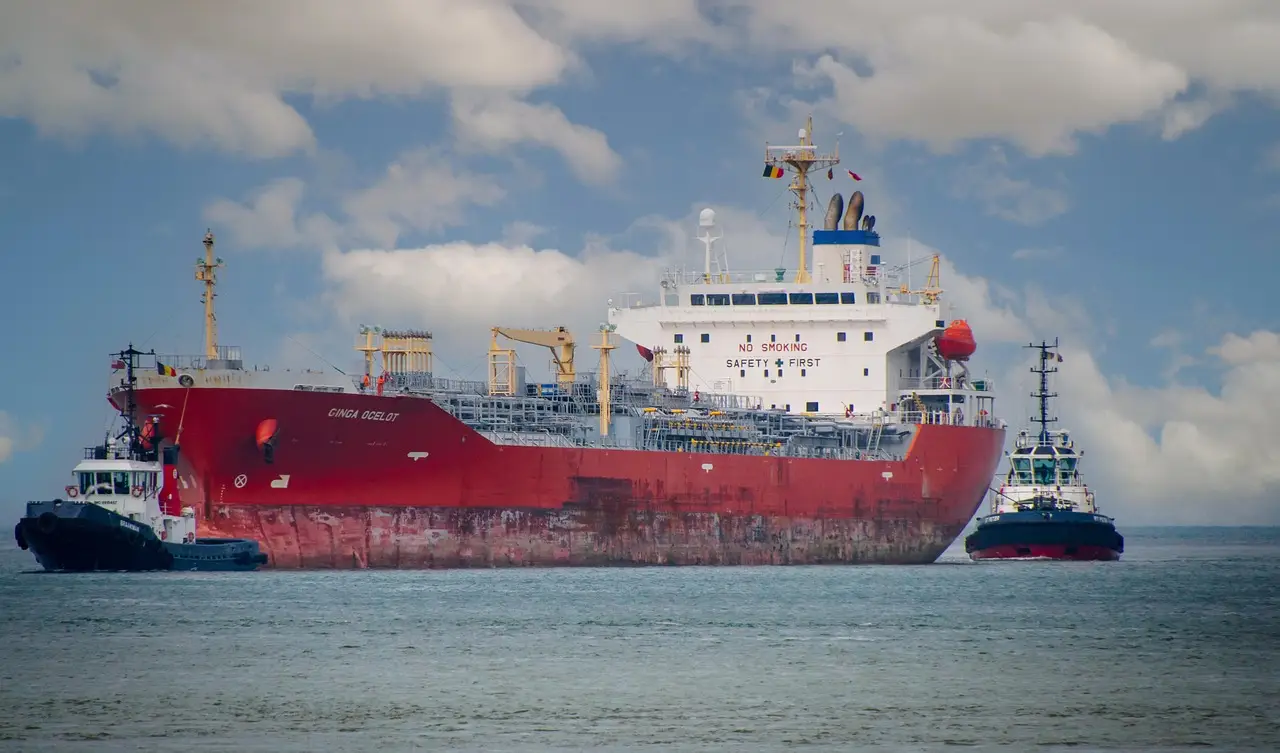
The Persian Gulf Strait Authority added 26 tugboats to its “non-compliance list,” bringing the total to 266 vessels, according to the semi-official Tasnim news agency, which cited the authority. The reported move widens Tehran’s pressure from tankers to tugboats and service companies that keep tanker traffic moving through the Strait of Hormuz.
The authority had already warned companies providing services to tankers passing through the strait without permission would themselves be added, Tasnim said, citing a statement from the authority Iran established in May. The new decision adds 26 tugboats directly to that list, turning marine support into a compliance risk rather than a neutral emergency service.
What changes for shipowners and tug operators?
For shipowners, the practical change is that access to emergency support now carries a new compliance risk. A damaged tanker may need towing, firefighting or salvage, but the companies providing those services face the same listing threat for supporting tankers through the strait. The service chain around an attacked ship has become another point of exposure.
For tugboat operators, the exposure is already physical. The International Maritime Organization, which keeps a tally, said several tugboats had been damaged in the region in recent months.
The IMO recorded damage to a Panama-flagged tug earlier this month, after a Netherlands-flagged vessel incident injured a seafarer. In March, four seafarers died and three suffered severe injuries in an incident involving a tug off Oman’s coast.
According to Tasnim, the blacklist has not stopped all traffic. A steady flow of vessels has continued to pass, often via the southern route through the strait, which abuts Oman’s coast. Those cargo flows at times touched pre-war levels and helped keep energy prices in check, according to Tasnim.
Tasnim also reported that Iran had intensified strikes in recent months as it menaced vessels proceeding without its authority. Those attacks have disabled ships and placed pressure on the same service network now appearing on the blacklist.
According to Tasnim, tugboat operators have played a crucial role by towing tankers damaged in Iranian attacks to safety. Salvage operations have become increasingly important with tankers in short supply. Other vessels are tied up shuttling oil between ships to move cargoes clear of the Persian Gulf.
Orbital Risk Intelligence, a maritime risk firm, said in a note: “Tehran is now likely trying to deny towage, firefighting and salvage to the vessels it attacks.” The assessment connects the blacklist to a direct operating strategy. Tehran can pressure ships through passage rules and constrain the support they need after an attack.
The IMO damage tally and Tasnim’s account of tug duties leave shipowners with less room to separate vessel risk from service risk. A tug damaged in one incident, or another tug diverted to ship-to-ship transfers, reduces the pool available for emergency work. The combination of damaged boats, constrained tankers and shuttle duties can slow the clearance of disabled vessels.
The move also changes how owners evaluate a post-attack response plan. Emergency towage or salvage must be treated as more than a response to hull damage; the provider’s compliance status now matters alongside the ship’s transit status. That makes support procurement and contingency planning part of the compliance process, not just a technical operating decision.
The near-term test is whether the southern route can preserve cargo flows near pre-war levels while damage in the tug fleet persists and the list grows beyond 266 vessels. Continued passage would cushion energy prices, as Tasnim describes. Broader listings would further strain towing, firefighting and salvage support for tankers operating without Tehran’s permission.
Source: insurancejournal.com
More from Nathan Brooks
Show full bio
News editor covering regulation, policy and their impact on entrepreneurship, startups and venture funding at Business Bearings.
2,788 articles