JPMorgan Chase software bug disrupted banking access on Nov. 16
Thousands reported online banking, ATM and Zelle problems on Nov. 16. Chase cited a software bug in on-premise hardware and said the incident was not cyber-related.
By Nathan Brooks
4 min read
What's News
- Nov. 16: Thousands of Americans reported online banking, cash-withdrawal and Zelle access problems.
- The Associated Press said effects rippled across Chase, U.S. Bank and Wells Fargo.
- Chase cited a software bug in an on-premise hardware system and said the incident was not cyber-related.
- Nov. 17: Bank of America told CBS News its systems were operating normally before the issues occurred.
- The accompanying guidance promised 10 practical steps for preparing for future bank outages.
Thousands of Americans reported problems accessing online banking, withdrawing cash and using Zelle on Nov. 16 after a technical issue involving JPMorgan Chase, according to The Associated Press.
The Associated Press said the disruption created ripple effects across several financial institutions, naming Chase, U.S. Bank and Wells Fargo.
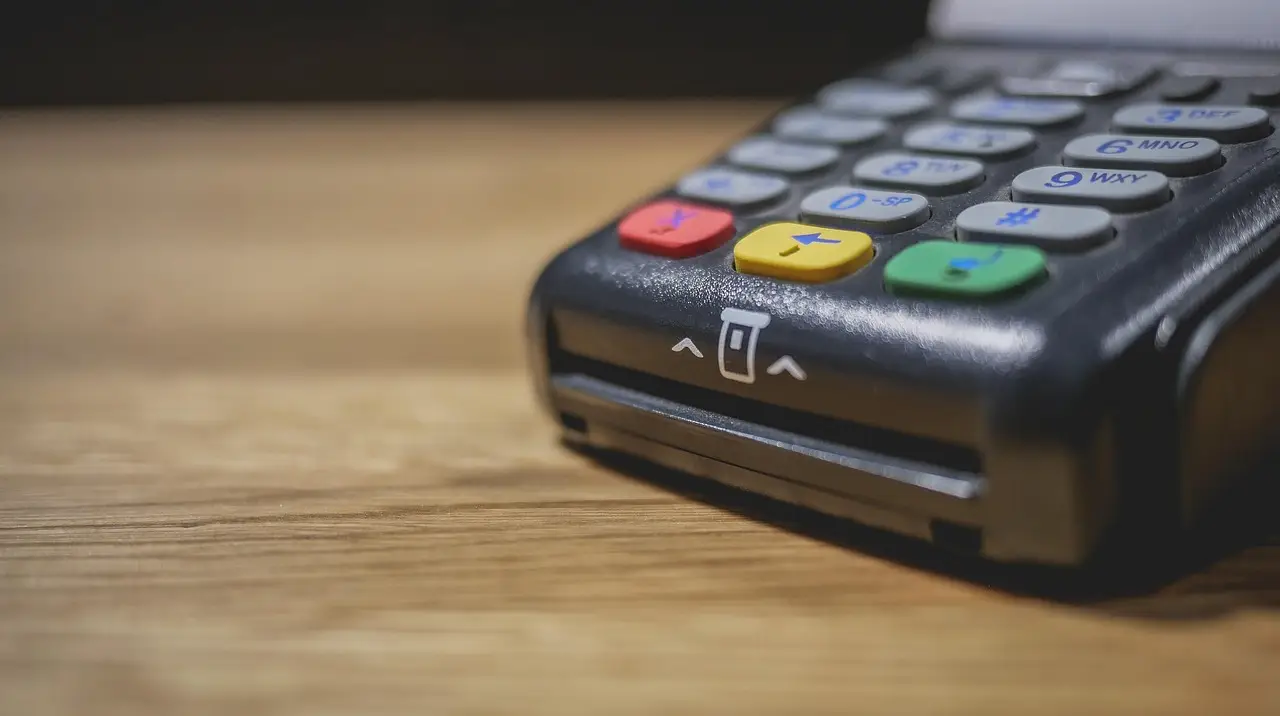
The report opened with an imagined checkout-counter scenario: a debit card would not work, the banking app would not load and an ATM would not respond. It used that sequence to show how one outage can interrupt several familiar ways of reaching money.
Chase supplied the most specific account of the cause among the institutions discussed. Joe Evangelisti, a spokesman for the bank, told The Associated Press on Monday:
“JPMorgan Chase has experienced a temporary issue related to a software bug in an on-premise hardware system — it is not cyber-related”
That explanation located the fault in an on-premise hardware system and explicitly separated the incident from a cyberattack. Chase also described the disruption as temporary.
Bank of America separately addressed the episode. In a statement shared Nov. 17 with CBS News, the company said its “systems were operating normally” before the issues occurred.
That statement addressed timing rather than a technical failure. The Associated Press, meanwhile, named Chase, U.S. Bank and Wells Fargo as institutions touched by the reported ripple effects.
Only Chase supplied a technical explanation in the account. The report did not apply Chase’s software-bug explanation to U.S. Bank or Wells Fargo. Customers reported service failures, The Associated Press reported institutional spillovers, and Chase confirmed one cause. Bank of America added a separate status update.
The reported sequence:
- Nov. 16: Thousands of Americans reported problems with online banking accounts, cash withdrawals and Zelle transfers.
- Monday: Joe Evangelisti told The Associated Press that Chase faced a temporary software bug in an on-premise hardware system, not a cyber-related incident.
- Nov. 17: Bank of America told CBS News that its systems were operating normally before the reported problems.
- Afterward: The source described the disruptions as temporary and said an outage does not automatically mean customers’ money has vanished or their accounts have been compromised.
What does the outage change for customers?
First, it changes how customers should interpret a failed transaction. The report’s central distinction is between losing access to money and losing the money itself. A declined card, an app that will not load and an unavailable ATM can accompany an outage, but those symptoms alone do not establish that a balance has disappeared or an account has been breached.
That distinction makes diagnosis the first task. The report’s guidance does not treat every outage as evidence of fraud or financial loss. Instead, it frames the problem as temporary loss of service and recommends learning what to do before another disruption affects everyday transactions.
Second, the episode shows how quickly one technical problem can affect several payment habits. The reported scenario placed a debit purchase, a balance check, an ATM withdrawal and a Zelle transfer within the same outage. For customers, that can interrupt immediate spending as well as transfers between people.
For banks, the episode put communications at the center of the response. Chase supplied a cause, a hardware-system description and a non-cyber designation. Bank of America supplied a system-status statement. The available evidence supports different, narrower conclusions for each institution.
The accompanying guidance promised 10 practical steps to help readers prepare and protect their money. The source defined their purpose in practical terms: avoid unnecessary stress, protect finances and keep everyday expenses on track.
That guidance also kept the outage in perspective. Customers may temporarily lose access through familiar channels without the outage itself proving that money is gone or an account is compromised. For customers, the practical change is to understand those steps before a checkout fails. For banks, the communications test is equally concrete: identify the cause and explain whether the failure is temporary and cyber-related.
The source provided no evidence of financial loss or a cyberattack. Its central reassurance was that a temporary access failure does not automatically mean money has disappeared or an account has been compromised. That remains the baseline for interpreting the reported Nov. 16 service failures.
The next disruption will test whether customers can apply that distinction quickly when debit purchases, cash withdrawals and transfers fail together. Banks will face the same test: identify the cause and explain the scope of the outage before access problems become a customer-balance crisis.
Source: madamenoire.com
More from Nathan Brooks
Show full bio
News editor covering regulation, policy and their impact on entrepreneurship, startups and venture funding at Business Bearings.
2,611 articles