Khosla Backs Coframe's $35M Bet on Websites That Rewrite Themselves
Khosla Ventures led a $25M Series A in Coframe, whose AI rebuilds webpages per visitor. Customers report conversion gains above 20% and $300M in added revenue.
By Grace Kim
3 min read
What's News
- Khosla Ventures and Hanabi Capital led a $25 million Series A in Coframe, bringing total funding to $35 million.
- Coframe says its platform has generated over $300 million in additional customer revenue, with conversion rates up more than 20% on average.
- A Fortune 500 client saw conversions rise 70% within 30 days of contract signing.
- Vinod Khosla, 71, invested in OpenAI in 2019 and has a net worth of about $10 billion, per Forbes.
- Customers include Dropbox, BCG, Block, Backcountry and Sur La Table.
Khosla Ventures has led a $25 million Series A in Coframe, an AI startup that rewrites websites for each individual visitor, pushing the company's total funding to $35 million. Hanabi Capital co-led the round, announced this week, and executives at Anthropic, OpenAI and Google DeepMind also participated.
The bet comes from Vinod Khosla, the 71-year-old billionaire whose firm made early investments in OpenAI in 2019, plus DoorDash and Instacart. Forbes reported earlier this year that Khosla's net worth sits around $10 billion.
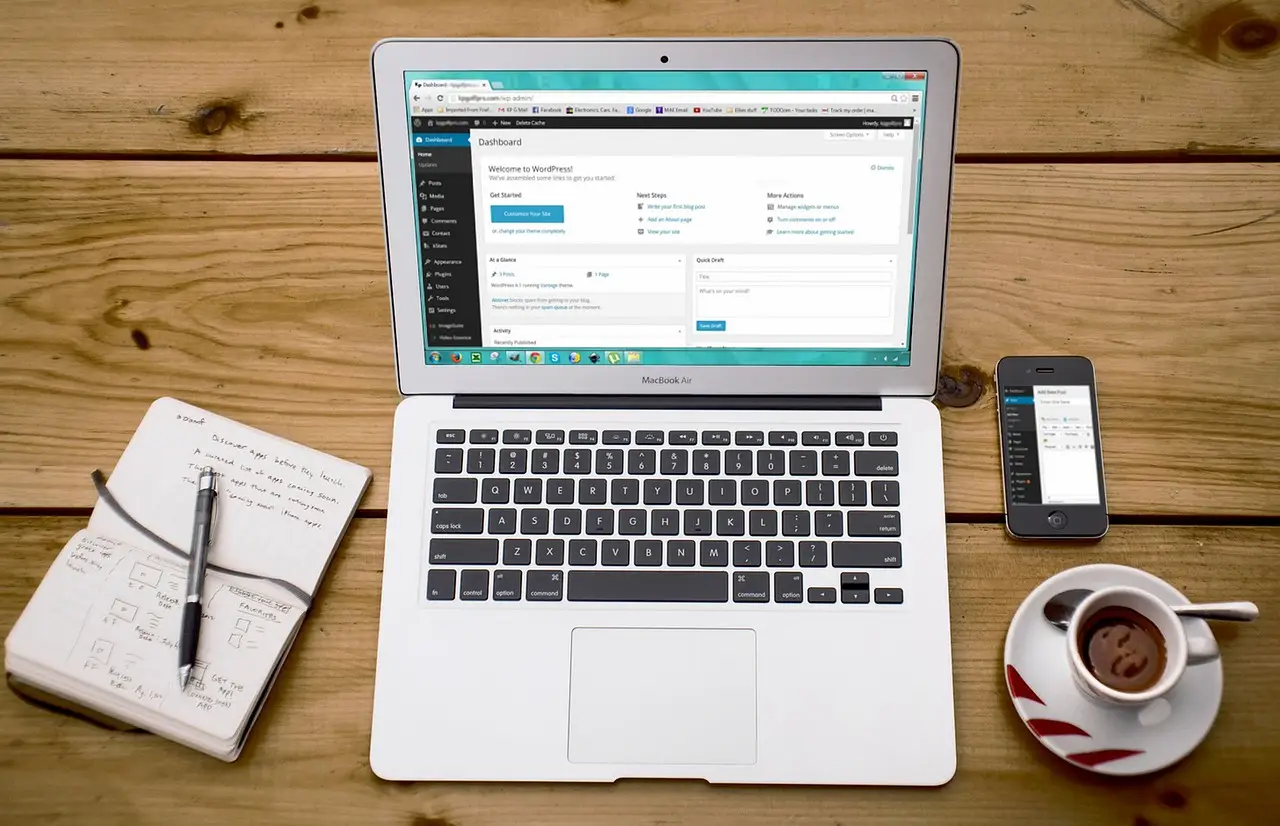
Coframe's core product attacks a basic assumption of the web: that every visitor sees essentially the same page. The startup builds and tests multiple versions of a webpage — text, images, design — then tracks how visitors interact with each variant to determine what drives more purchases, signups or other desired actions. An online store selling shoes, for example, could test different headlines, product images and layouts, and keep whichever version converts best.
The numbers Coframe published alongside the announcement are the pitch. The company says its AI-powered testing platform has generated more than $300 million in additional revenue for customers, with conversion rates improving by more than 20% on average. Its client list includes Dropbox, BCG, Block, Backcountry and Sur La Table.
What did Coframe do for Dropbox?
Speed is half the story. Coframe says it built and launched an experiment for Dropbox in 30 minutes — work that previously would have required four weeks of engineering, design and quality-assurance effort. For an unnamed Fortune 500 customer, the company says it launched dozens of page variations and lifted conversions by 70% within 30 days of the contract being signed.
The model lets businesses try more approaches without adding weeks of production work each time. Faster testing means teams can spot promising changes quickly and abandon failures sooner.
Why is Khosla betting on this?
Khosla frames Coframe as the next structural shift in how the internet works, not just a conversion-optimization tool.
"The world has changed because AI has enabled extreme customization," Khosla said in an interview with Business Insider.
In the funding press release, he went further: "For decades, the web has been frozen in place, showing every visitor essentially the same page. Coframe is building the living internet, where two people can visit the same website and have completely different experiences, personalized to who they are and what they need. These interfaces continuously learn and improve themselves. This is a huge leap beyond traditional A/B testing and the next iteration of the internet."
His logic is economic as much as technical. The alternative to AI-generated pages — hand-writing code for every page presented to every user — doesn't scale.
"The alternative is to write code for every page that's presented, but that's too expensive and way too slow," Khosla told Business Insider. "This idea of a customized page for every user is a really good idea."
Who is Vinod Khosla?
Khosla, 71, built his record on early positions in companies that reshaped their categories: OpenAI in 2019, DoorDash, Instacart. His latest move signals where he thinks the next disruption lands — not in new apps, but in the infrastructure and behavior of websites themselves.
Coframe fits that thesis directly. If pages that build and rebuild themselves for each visitor become standard, the traditional design-and-A/B-test workflow — and the agencies and tooling around it — faces compression. Khosla's $25 million says that shift has already started.
Original: start.coframe.com
More from Grace Kim
Show full bio
Market editor covering people, launches and day-to-day practice in entrepreneurship, startups and venture funding at Business Bearings.
1,987 articles