KOSPI Crashes 7.57% as Global Traders Flee Tech Stocks
KOSPI fell 7.57% and triggered a trading halt as traders fled tech worldwide. Nasdaq futures point down. Nvidia's Huang tells AI doomers: quit the business.
By Amara Osei
4 min read
Updated
What's News
- South Korea's KOSPI fell 7.57% and briefly triggered a trading halt; Nasdaq futures fell 1.03%.
- Apple hit a $5 trillion market cap, the second company after Nvidia to reach that level.
- The 10-year Treasury yield swung from a 5.32% peak to 5.08%.
- Nvidia CEO Jensen Huang called AI "completely in our control" in a Fortune interview.
- 59% of Brits want to rejoin the E.U.; Goldman Sachs estimates Brexit cost 6% of U.K. GDP.
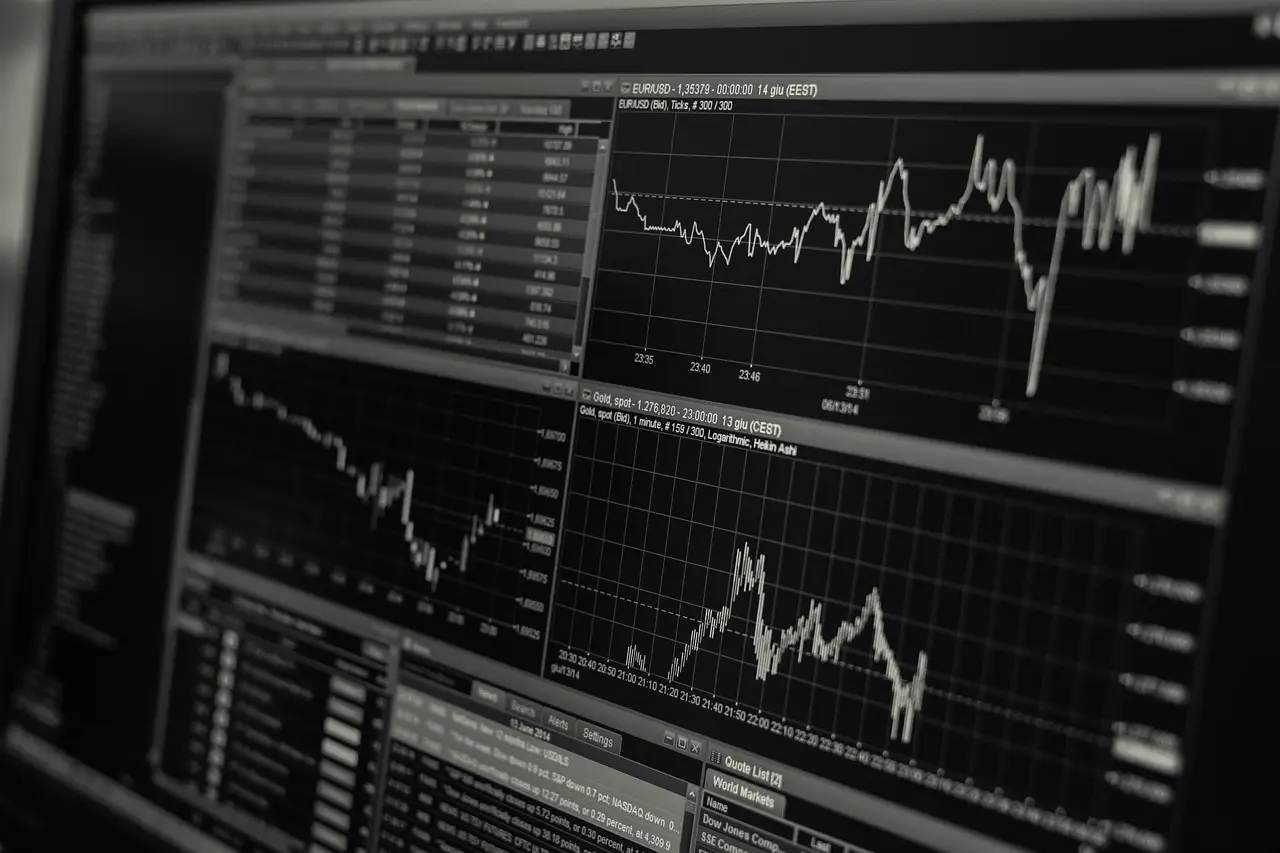
South Korea's tech-heavy KOSPI index fell 7.57% overnight and briefly triggered a trading halt, opening a global wave of selling that Nasdaq futures—down 1.03% this morning—signal will continue when markets open in New York.
Traders dumped tech names across the board in the last 24 hours. CoreWeave lost 15.46% yesterday and sank another 5.89% overnight. Oracle fell 8.83% and dropped a further 1.57% in post-market trading. Chipmakers suffered declines across the sector.
The selling came despite good news. TSMC reported Q3 earnings today that beat expectations and guided capex higher over the next two years. Apple closed at a record high, becoming only the second company—after Nvidia—to reach a $5 trillion market cap. Anthropic said it was profitable on an adjusted basis, though its Q3 revenue of $17 billion points to growth that appears slower than previously estimated.
Where did the drama spread next?
The bond market. Investors couldn't decide whether the benchmark 10-year U.S. Treasury was a safe haven or demanded a risk premium. The yield peaked at 5.32% before sinking back to 5.08% this morning—a huge swing for a normally sedate asset. U.S. Treasury yields plunged after a hot CPI print, CNBC reports, as investors await more economic data.
The picture across regions:
- S&P 500 futures down 0.24% this morning; the index fell 1.11% yesterday.
- Europe: Stoxx 600 down 0.10% in early trading; the U.K.'s FTSE 100 up 0.48% before lunch.
- Asia: KOSPI down 7.57%; Japan's Nikkei 225 down 4.90%; India's Nifty 50 up 1.68%; China's CSI 300 down 1.23%.
- Brent crude at $106 per barrel.
- Bitcoin fell to $81,265.
What did Nvidia's CEO say about AI risk?
Nvidia CEO Jensen Huang dismissed existential-risk warnings from AI leaders including Anthropic's Dario Amodei, telling Fortune's Jeremy Kahn and Bea Nolan in an exclusive interview that the technology was "completely in our control."
"I don't know why anybody would want to support the advancement of a technology that's going to result, you know, in the end of human civilization as we know it. And so, if they believe that, they really ought to stop working on it," Huang said. His message to AI doomers: if you fear it, quit.
How bad is the Brexit bill?
Fifty-nine percent of British people now want to rejoin the E.U., according to polls tracked by James Moberly and Sven Jari Stehn at Goldman Sachs. They estimate Brexit has cost the U.K. 6% of its GDP so far. Separately, a record 69,300 workers have left the U.K., joining billionaires fleeing grey skies, crumbling healthcare and the tax bill, Fortune's Orianna Rosa Royle reports.
Are Europeans actually miserable?
No. Three-quarters of Europeans—76%—are optimistic about their future, according to a chart from ING's Marieke Blom. Danes and Slovenians rank happiest. The French are least optimistic, yet 62% of them still feel good about their future.
Blom blames coverage bias. "An analysis of 35 years of Wall Street Journal articles shows that bad news generates far more follow-up stories than good news. In other words, bad news sticks," she wrote in a recent blog. "Over those 35 years, a lot more attention has been devoted to bad news than to good."
Can Americans eat more avocados?
They already eat 10 pounds per year on average—9.5 pounds per capita to be precise, up from just 1.52 pounds in 1998/99. Before 1993, avocados barely registered in the American diet; Mexican avocado imports only became legal in some states that year. "In 1997, the USDA allowed Mexican Hass avocados into 19 northeastern states, for part of the year. Year-round access to all 50 states began February 1, 2007," said Ron Campbell, a lobbyist for the Mexican Avocado Industrial Complex. Total consumption has grown sevenfold since the 1990s, from 424 million pounds in 1998/99 to 3.25 billion pounds in 2024/25.
Elsewhere on the radar
Goldman Sachs posted an $18.7 billion blowout quarter while JPMorgan and BofA fell short, Fortune's Morgan Chittum reports. Chevron's CEO warned the oil buffers that cushioned the Iran war shock have been "drained"—and diesel relief may not come until 2027. An early Anthropic backer predicts a post-IPO valuation of up to $2.4 trillion for the AI lab, topping SpaceX. Retirees are getting their biggest Social Security COLA boost in four years as the program races toward insolvency. And OpenAI claims a former employee brought confidential documents about an "unreleased device" to Apple, the New York Post reports.
With Nasdaq futures in the red and TSMC's beat doing little to stop the bleeding, today's New York open will test whether the tech rout is a correction or a regime change.
Original: youtube.com
More from Amara Osei
Show full bio
Senior reporter covering companies, deals and strategy in entrepreneurship, startups and venture funding at Business Bearings.
1,092 articles