Kosterina Hit a Perfect NPS of 100 Before Spending a Dollar on Ads
Kosterina founder Katina Mountanos won her first 100 customers with no ad budget, hit a perfect NPS of 100, and let packaging and word of mouth bring Whole Foods calling.
By Daniel Okafor
4 min read
What's News
- Kosterina scored a perfect NPS of 100 when it had roughly 100 customers.
- Founder Katina Mountanos launched the brand while working full-time at Walmart.
- Whole Foods found Kosterina on Instagram and reached out on its own.
- Kosterina is now sold at Target, HEB, Crate & Barrel and other national retailers.
- COVID blocked in-store sampling at Whole Foods for more than a year.
Katina Mountanos scored a perfect 100 on a Net Promoter Score survey when her olive oil brand Kosterina had roughly 100 customers — and she had spent nothing on advertising. That number, gathered with a free survey tool, convinced her the side project could become a business. Today Kosterina sells at Target, HEB, Crate & Barrel and other national retailers.
Mountanos, founder and CEO of the wellness brand built around high-antioxidant extra virgin olive oil and the modern Mediterranean diet, launched Kosterina as a passion project while working full-time at Walmart. In a free Entrepreneur virtual event, she explained how she found her first 50 to 100 customers without paid ads, and what she would prioritize if starting from scratch today.
Where did the first customers come from?
Kosterina's earliest buyers were almost exclusively friends and family. Many founders dismiss that as not counting. Mountanos sees it differently: the people closest to you are the fastest, cheapest way to put a product into real hands and start learning.
The test is what happens after the first order. Kosterina's growth beyond the founder's circle came from repeat purchases and referrals, not ads. Friends reordered, then passed the product to people Mountanos didn't know. That chain of recommendations became the brand's first real marketing engine.
How do you tell love from loyalty?
Every founder selling to friends faces the same question: do they genuinely love the product, or are they just being supportive? Mountanos said to look past the first sale and watch three behaviors:
- Repeat purchases. Supportive friends buy once. Customers who love the product come back.
- Referrals. People recommend things they believe in, not things they bought as a favor.
- Strangers finding you. When orders arrive from outside your network, demand comes from the product itself, not your relationships.
Those signals say more about a business's potential than a count of initial sales, she noted.
What did the perfect NPS score prove?
When Kosterina reached about 100 customers, Mountanos sent out a Net Promoter Score survey. NPS asks one question: how likely are you to recommend this product to a friend? Scores range from -100 to 100. Kosterina scored 100.
Mountanos had used NPS across brands during her time at Walmart, so she knew how rare that result was. She read it as proof that customers didn't just like the product; they were eager to recommend it. For early-stage founders, the lesson is that validation doesn't require expensive research — a free survey to your first 100 customers shows whether the foundation is worth building on.
Why launch before the product is perfect?
One common mistake Mountanos sees is founders holding a product back until every detail is right. She favors rapid prototyping: get something into the market, collect feedback, and use that loop to improve. Launching early wins customers sooner and reveals what they actually want, which is rarely what the founder imagined.
How did the product replace a marketing budget?
Without money to outspend competitors, Kosterina leaned on what it could control:
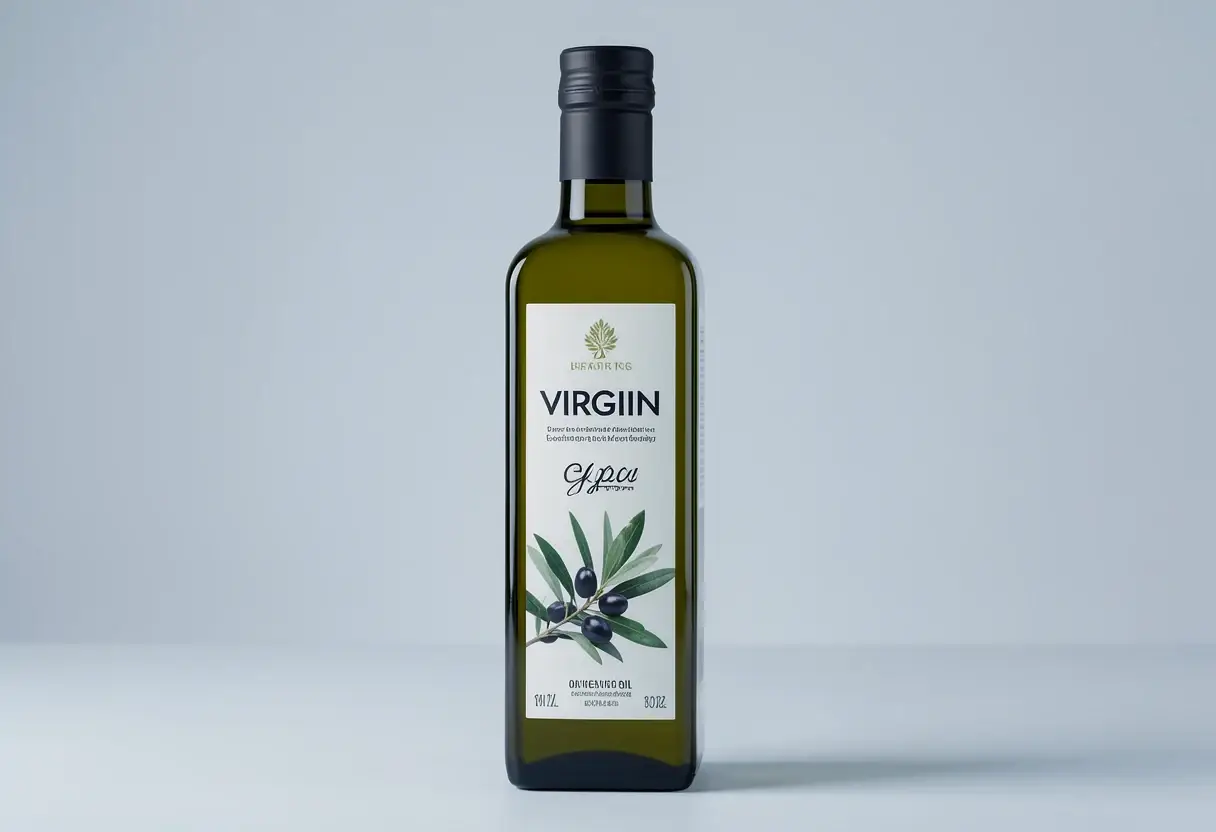
- Make the product worth sharing. The team focused on high-quality EVOO and distinctive packaging that customers would want to show off.
- Get it into people's hands. Mountanos calls sampling one of the most effective acquisition tools, because tasting turns skeptics into loyal customers. Gifting works the same way — gift recipients often become buyers.
- Educate, don't just advertise. Most shoppers know little about olive oil quality or why high-polyphenol EVOO is different. Kosterina filled that gap with content on EVOO, the Mediterranean diet, recipes and wellness, at far less cost than paid media.
- Build a brand people notice. Whole Foods discovered Kosterina on Instagram and reached out directly. Mountanos has credited the packaging with putting the brand on the retailer's radar.
- Be ready to change the plan. The Whole Foods launch was built around in-store sampling. Then COVID hit, and Kosterina couldn't sample in stores for more than a year. The team found other routes to customers.
When should a founder quit their day job?
Mountanos didn't. She built the brand alongside her Walmart role, which gave her time to develop the product and gather evidence of demand before going full time. The proof stacked up: repeat orders, referrals, a perfect NPS and an inbound call from Whole Foods. Only then did the passion project become the main event. Her advice to resource-strapped founders: put money and time into the product and into getting it in front of people who can taste, use and talk about it — before spending heavily on ads or polish.
Original: kosterina.com
More from Daniel Okafor
Show full bio
Correspondent covering money, funding and market shifts around entrepreneurship, startups and venture funding at Business Bearings.
2,189 articles