Labour MPs Warn of 'Blood' if Chancellor Forces Rosebank Approval
Labour backbenchers are lobbying No 10 and the Treasury to let Energy Secretary Miatta Fahnbulleh decide Rosebank's fate, warning of 'blood' if she is overruled.
By Olivia Hart
5 min read
What's News
- Treasury forecasts assume roughly £500m in Rosebank tax revenues by the end of this parliament, included in OBR forecasts since 2019.
- Energy Secretary Miatta Fahnbulleh is minded to refuse environmental permission for Rosebank, sources told the Guardian.
- The OBR projects North Sea oil and gas output would decline around 14% a year without production from new fields.
- Uplift analysis suggests Rosebank's tax take could be outweighed by tax breaks for development and decommissioning.
- The government approved the Jackdaw gasfield last week, which Burnham called 'a bridge to the future'.
By Olivia Hart
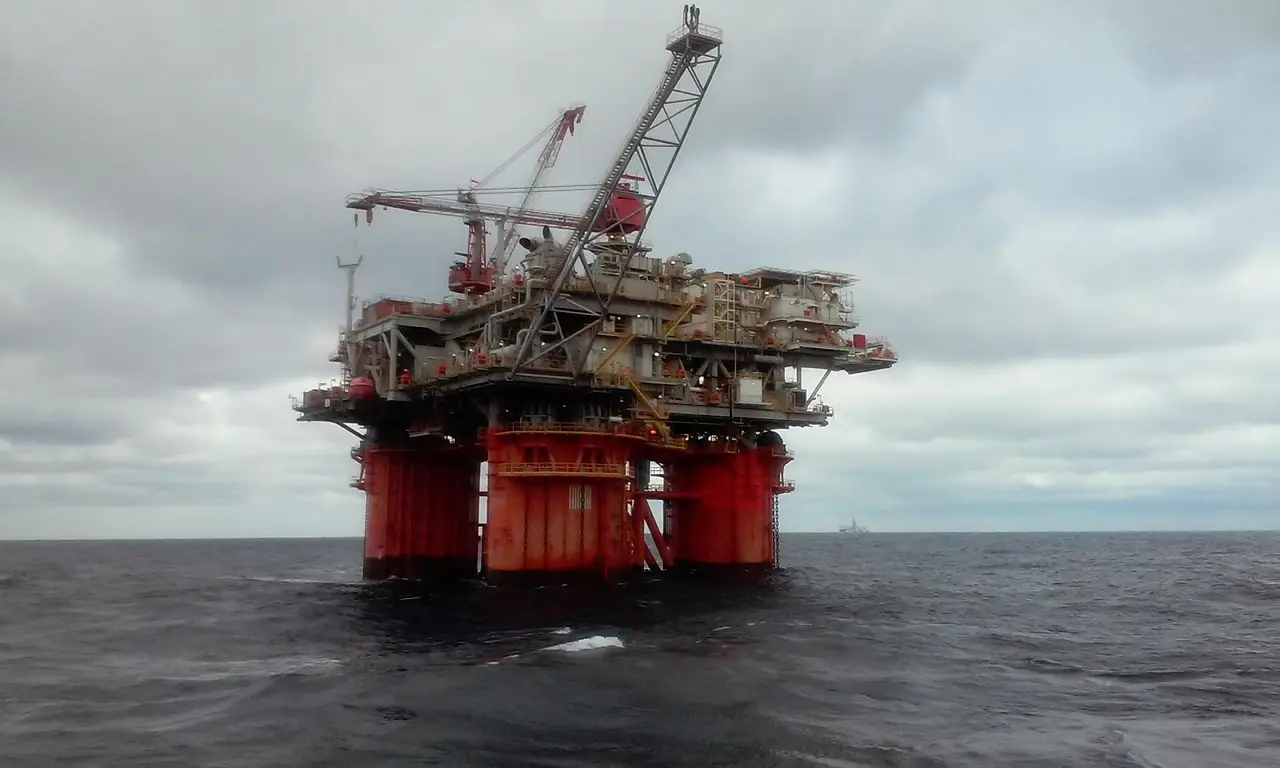
Treasury forecasts already count on roughly £500 million in tax revenues from the Rosebank oilfield by the end of this parliament — even before Energy Secretary Miatta Fahnbulleh has ruled on the project. That accounting fact, confirmed by Treasury officials on Wednesday, sits at the center of an escalating cabinet fight that Labour backbenchers now describe in unusually violent terms.
Furious Labour MPs have been lobbying the prime minister and the chancellor not to overrule Fahnbulleh, whom sources told the Guardian is minded to refuse environmental permission for the field. Sources close to Chancellor John Healey have made clear he favors the scheme. Some in government believe Prime Minister Andy Burnham also wants it to proceed.
What does the split look like inside Labour?
The rebellion is personal as much as political. One Labour MP said: "If Healey pushes through Rosebank, there will be blood. It's economically shortsighted as well as politically explosive – they aren't listening at all to the discomfort on the backbenches."
Another MP put it more quietly: "Lots of us have raised this. I think the position Miatta has been put in by these briefings is intolerable."
Catherine Fookes, a Labour member of the energy select committee, framed the stakes for the party's brand. "Approving Rosebank will blow a hole in our green credentials. A group of us is making it clear to leadership that this should be Miatta's decision and I hope they listen," she said. "Labour MPs are really, really concerned about it – it would go against the thrust of our manifesto."
Concerns are understood to have been raised with Healey directly, in budget meetings with MPs. Fahnbulleh's parliamentary aides have circulated a memo insisting she alone holds the pen.
In plain words: the backbenches are drawing a line, and they say the energy secretary — not the Treasury — must decide.
Is the decision legally hers alone?
Fahnbulleh's aides left no ambiguity in their memo. "No decision has been made on Rosebank," it said. "The energy secretary will consider all relevant factors in a case before reaching a decision."
The memo went further: "The energy secretary is the only decision maker and will consider all relevant factors as part of the quasi-judicial process. No other cabinet member or minister has any role in this decision and does not see the advice on it."
Burnham has promised a "pragmatic" approach to North Sea drilling, calling the Jackdaw gasfield, approved last week, "a bridge to the future." He insists Rosebank is Fahnbulleh's call. But he fueled speculation on Wednesday when he told the Commons: "Use of our reserves can support and accelerate a clean energy future, and that was very much the logic behind the decision that the government announced on Jackdaw last week."
Takeaway: the formal power is hers; the political pressure is everyone's.
Why the £500m figure matters
Treasury officials said Wednesday the money has been baked into Office for Budget Responsibility forecasts since 2019 — and that scoring it would not prevent the energy secretary from blocking the field. The OBR's budget forecast, published Wednesday, confirmed the assumption: "The projection includes production from currently producing fields (including Jackdaw), and the North Sea Transition Authority's estimate of production from development of new fields, which includes Rosebank, and from future discoveries."
The OBR also quantified the basin's trajectory: "The forecast annual pace of decline [in oil and gas production] would be around 14% a year if there were no production from any new fields."
That 14% annual decline is the context the £500m sits in — a shrinking basin propped up, on paper, by a field not yet approved.
How solid are those tax receipts?
Not very, according to the skeptics. Clive Lewis, a Labour MP, said: "You cannot claim global climate leadership while approving new oilfields simply because you've already pencilled in the tax receipts. Tax 'receipts', as I understand it, that will be the operator's estimate and not actual Treasury revenue."
Analysis by Uplift, a campaign group, found that on the government's and industry's own estimates, the tax take would probably be limited — and could be outweighed by the tax breaks and incentives likely to be offered for developing and eventually decommissioning the fields.
Areeba Hamid, co-executive director of Greenpeace UK, went further: "Any tax revenues from this far-off field in a rapidly declining basin don't just leave our public services at the hostage of future oil prices, they also leave taxpayers on the hook for the costs of decommissioning for decades to come. The truth is that approving new oil drilling in the North Sea will only add to the costs of climate impacts, costs not fully factored into forecasts such as those from the OBR. Any economist should be able to see that."
One Labour MP described the Treasury's approach to the energy department as "macho bullshit."
In plain words: the headline revenue number may be a promise the Treasury cannot keep.
Will this rebellion be different from Jackdaw?
MPs say yes. Jackdaw passed with relative backbench quiet because gas was framed as serving domestic consumption. Fookes drew the contrast: "The case was made for Jackdaw to some degree and we remained quite quiet over that. Rosebank, however, is a different issue."
Many in government, notably, believe Fahnbulleh could approve Rosebank without breaching UK carbon commitments — in part because most of its oil would be exported. That argument, which outsources the emissions, has so far done nothing to calm the backbenches. The decision, whenever it comes, will test whether a single minister's quasi-judicial authority survives a cabinet divided and a Treasury already counting the money.
Original: assets.publishing.service.gov.uk
More from Olivia Hart
Show full bio
Staff writer covering people, launches and day-to-day practice in entrepreneurship, startups and venture funding at Business Bearings.
1,332 articles