Lektra Sells AI Data Centers in a Cabinet at $310,197
Lektra's EdgeStart cabinet puts eight NVIDIA GPUs on a building's existing solar and batteries for $310,197, with owners keeping 80% of AI compute revenue across eight live sites.
By Amara Osei
4 min read
What's News
- Lektra sells an EdgeStart cabinet with eight NVIDIA GPUs at $310,197 (RTX) or $840,951 (B300), estimating owner earnings of $9,700–$36,950 per month.
- The company was granted the first patent for distributed data centers built alongside solar and batteries in 2024.
- Eight EdgeScale sites are live, including a wholly owned Kearny, NJ facility, with McKinney, TX launching shortly.
- Early strategic investors diluted founders to around 3.8%; the rest is bootstrapped.
- Owners keep 80% of AI compute revenue; financing runs through Blue Street Capital at 9% over 48 months with 20% down.
Lektra will sell you a self-contained AI data center cabinet with eight NVIDIA GPUs for $310,197 — or $840,951 for the B300 version — and estimates the owner keeps about $9,700 to $36,950 a month under its revenue-share model. The company, a distributed energy and artificial intelligence firm founded by Karl Andersen, builds data centers of 20 MW or less at buildings that already have solar, batteries, or grid capacity. Eight sites are running today, including a wholly owned facility in Kearny, NJ, with McKinney, TX coming online shortly.
Andersen's path to Lektra ran through insurance and finance, not computing. He founded an insurance-linked securities hedge fund in 2008, launched it mid-financial-crisis, and was bought out at the end of 2011 with the fund up around 45%. He then founded Hedmark Insurance in Bermuda in 2012, reinsuring longevity and mortality risk for public pension funds, and later ran River Oak Risk. From 2017 until this May he was Managing Director at Greenlight Group, a Nordic climate technology investor, and since 2024 he has served as Chief Counsel at Grid Shield Alliance, a grid resilience nonprofit.
The economics that sparked the idea: Nordic solar owners were generating power at roughly three cents a kilowatt-hour and getting paid almost nothing for it. "It's clear that the grid wasn't built for what's coming," Andersen said.
What does Lektra actually sell?
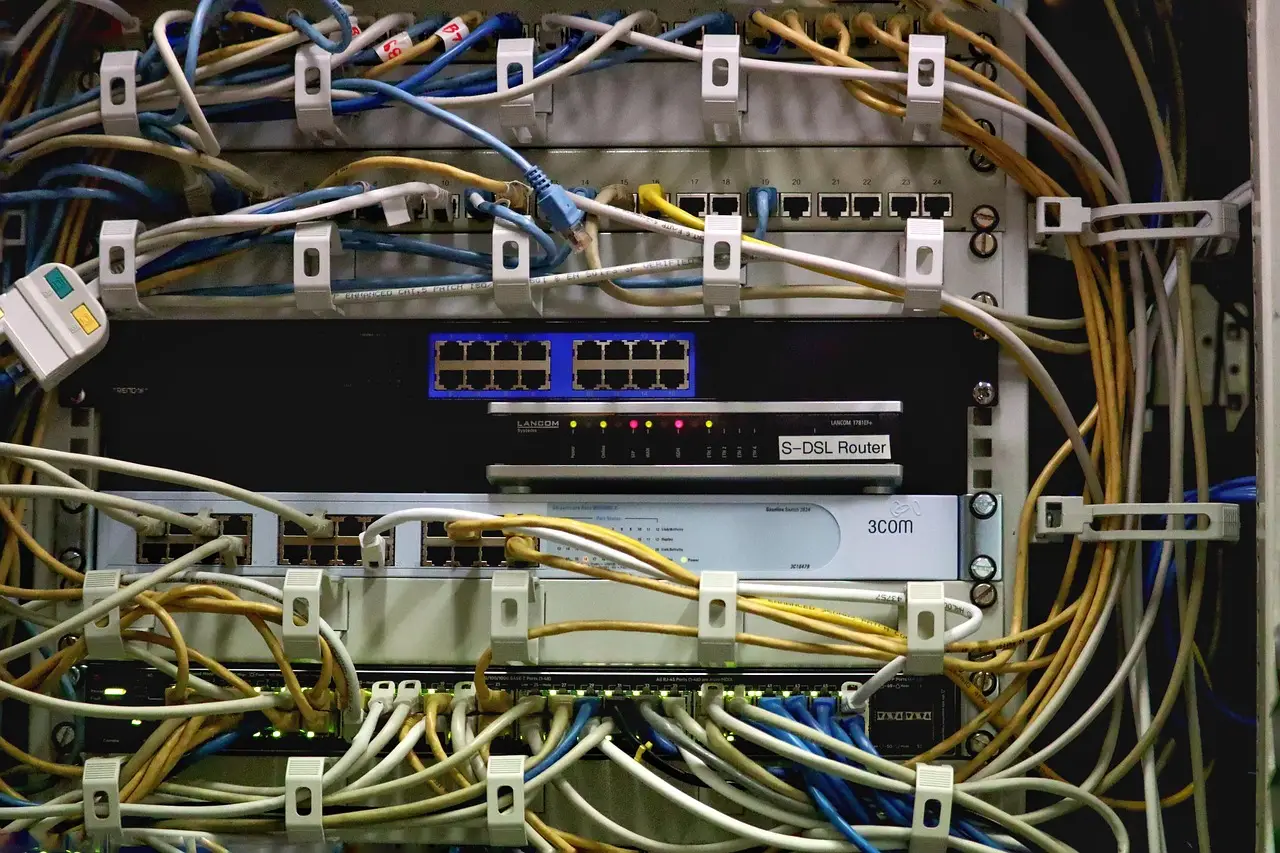
The EdgeScale suite is the distributed data center line. EdgeStart is the entry product — the cabinet with eight NVIDIA GPUs, priced at $310,197 for the RTX version and $840,951 for the B300 version, with installed hardware and shipping included. Each cabinet ships with power backup, power distribution, firewall, and switch.
Owner economics, per Lektra's own estimates: roughly $9,700 a month in year one for the RTX cabinet and about $36,950 for the B300, based on 730 contracted hours a month, power at 10 cents per kilowatt-hour, and the owner's 80% revenue share. Buyers can pay cash or finance through Blue Street Capital at 9% over 48 months with 20% down. Lektra handles installation, remote operation, customer sales, billing, monitoring, and support, and pays the owner 80% of revenue; a dashboard shows usage, energy, and earnings. Edge Pro serves larger commercial deployments, and Edge Max covers multi-megawatt installations.
Lektra Cloud is the demand side: developers and enterprises rent GPU capacity with no egress fees and no lock-in. Because sites are physically spread out, customers get programmable geographic control — they pick the state, city, or facility where a workload runs, which matters for latency and data residency rules.
What problem is the company solving?
"AI is growing faster than utilities can serve it, and extending the grid to meet that demand the traditional way would take a decade or more and trillions of dollars," Andersen said. Lektra calls its answer Grid 2.0 — putting compute where energy already exists. The hard part, he said, was making a data center work inside an existing building, which runs counter to how everyone else builds them.
Lektra was granted the first patent for distributed data centers built alongside solar and batteries in 2024, developed with a former senior engineer at Con Edison. Co-founders are Arthur Orsmanov, who runs product, brand and design, and Vitaly Leokumovich, who heads engineering. Penguin Solutions deploys and optimizes the hardware, and Thunder Compute's software manages the network and virtualizes the GPUs so customers get more compute from the same machines.
One live customer: a New Jersey school, unnamed for privacy, where an AI model from customer Griffin 365 runs on Lektra Cloud and watches camera feeds to spot weapons in real time. Nearby GPUs powered by solar cut cost and latency.
Who funded it, and what's next?
Lektra has bootstrapped almost entirely. Early strategic capital from battery makers and solar owners diluted the founders to a total of around 3.8%. The company now covers its own burn and growth, which Andersen says lets it stick to its mission "rather than just having to constantly think about reporting next quarters figures."
His ambition is a shared economy for energy. "Airbnb let people earn money from a spare bedroom, and we're doing the same with the solar and batteries that are already installed on buildings," he said. Owners stop being grid customers and join the AI economy. Andersen expects hundreds of sites nationwide over time, with compute coming online at buildings that already have power — and eventually microgrids, small modular nuclear, and fuel cells in the mix.
Source: pulse2.com
More from Amara Osei
Show full bio
Senior reporter covering companies, deals and strategy in entrepreneurship, startups and venture funding at Business Bearings.
1,952 articles