Lockjaw Ladder Grip wins 2026 Australian Export Awards
Brisbane family firm Lockjaw Ladder Grip won the 2026 Australian Export Awards’ Small Business category, with 70,000 units sold and two-thirds of turnover now generated overseas.
By Nathan Brooks
3 min read
By Nathan Brooks
SmartCompany reported that Lockjaw Ladder Grip won the Small Business category at the 2026 Australian Export Awards, with an estimated 70,000 units sold. The Brisbane family business generated about $1.6 million in revenue in FY2024. Charlton estimates annual turnover has since more than doubled, to between $3 million and $4 million, with about two-thirds now coming from overseas sales.
How did a ladder accident become an export business?
SmartCompany traced Lockjaw’s origin to the 1970s, when Craig Charlton’s father, Bob, stopped a heavy timber ladder from falling onto his two children playing below at their Brisbane home. Bob incurred a double hernia in the process and began considering how to secure ladders to roof guttering.
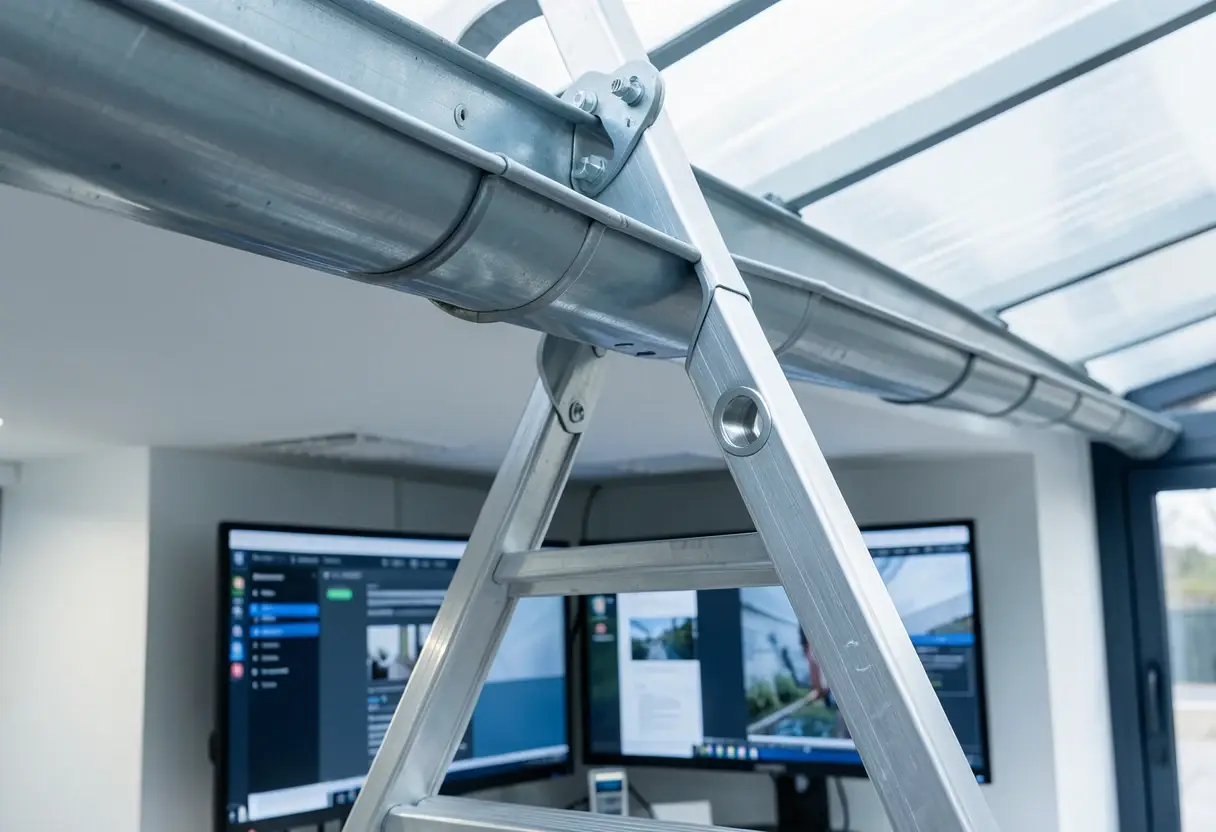
SmartCompany reported that the father-son project began in the early 2000s, when Australia’s pay television rollout created demand for safer satellite dish installations. Several years and about six or seven prototypes later, they had a device that could grip a ladder onto the lip of a gutter.
Bob lived to see Lockjaw reach stores, but he died shortly afterward, leaving Craig to build the business, SmartCompany reported. Craig spent years testing online advertising and other marketing approaches while working as a lawyer and treating Lockjaw more like a hobby than a business. “Well, is it worth it? Do I keep going?” Charlton recalled asking himself.
Gail, a petroleum chemist with a demanding career, joined the business and took charge of marketing, sales and customer relationships. SmartCompany said her involvement transformed Craig’s weekend project into a growing international business after nearly two decades of development.
SmartCompany identified a Christmas lighting company in Boston as one of Lockjaw’s first international customers after it found the product through Charlton’s website. The business later received positive feedback from a solar installation company in Washington state.
In the reported incident, one worker was two storeys up when his ladder slipped on icy ground. Two Lockjaw devices kept the ladder attached to the gutter, preventing the worker from falling to the ground.
What has driven Lockjaw’s export growth?
SmartCompany listed utility companies, defence contractors and insurers among Lockjaw’s major international customers. The United States is the business’s biggest international market, while Europe is an increasingly important destination, Charlton said.
Charlton said he never imagined the family business would reach such heights. “Winning the state award was a big enough surprise, but to then win the national, that was something else,” he said.
Charlton said the award recognized years spent developing the product, winning customers and overcoming the challenges of running a small business. “I am very fond of the saying, you know, ‘it takes 20 years to be an overnight success,’ and I think that’s almost literally been our scenario,” Charlton said.
Charlton also described the burden of operating with a handful of people. “It can be a bit of a lonely game,” he said.
What does export growth change for Lockjaw?
The practical change is geographic: about two-thirds of turnover now comes from overseas, the United States is the largest international market, and Europe is gaining importance. SmartCompany reported that Lockjaw is developing a new version of its ladder grip and examining opportunities in South America, potentially widening its regional base.
Charlton believes the internet has levelled the playing field for small Australian exporters, letting them compete with much larger businesses without matching their marketing budgets. “One of the beauties, I think, of the online media and advertising, is a home handyman or a tradesman can find you just like a company with 5,000 employees can find you,” he said.
Charlton’s export formula rests on a narrow product proposition. “If you’re truly innovative and it’s a product that people enjoy using, that’s the real trick,” he said. “I’m also a very firm believer that the simplest things are the best.”
Lockjaw’s next phase rests on two concrete moves: a new ladder-grip version and a look at South American demand beyond its established United States and European markets.
Source: smartcompany.com.au
More from Nathan Brooks
Show full bio
News editor covering regulation, policy and their impact on entrepreneurship, startups and venture funding at Business Bearings.
2,505 articles