Macron Seeks Gulf-Backed Insurance Plan for Hormuz Shipping
Macron is negotiating with Saudi Arabia and Gulf states on a publicly backed insurance vehicle to cut shipping costs through the war-disrupted Strait of Hormuz.
By Daniel Okafor
3 min read
What's News
- Macron is negotiating with Saudi Arabia and other Gulf states on a publicly backed Hormuz insurance vehicle.
- Trump announced a $20 billion reinsurance program for oil tankers earlier this year, but costs stayed exorbitant.
- Qatar will supply LNG covering roughly 7% of France's average monthly gas use this winter.
- Shipping through Hormuz has been disrupted since US and Israeli strikes on Iran began in February.
By Daniel Okafor
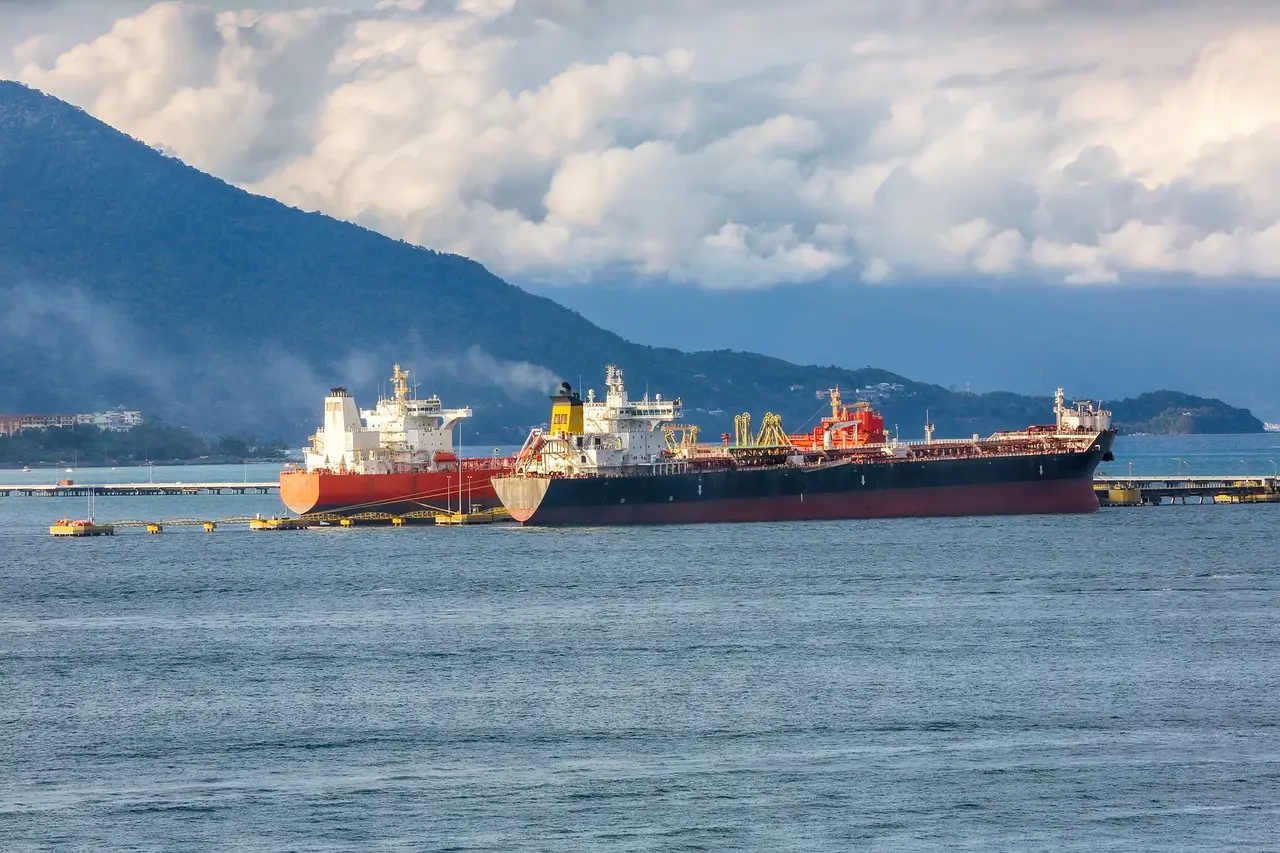
French President Emmanuel Macron is negotiating with Saudi Arabia and other Gulf states to build a publicly backed insurance vehicle for ships transiting the Strait of Hormuz. The goal is simple: lower insurance costs, and with them, the cost of getting fuel to France.
Shipping through the strait has been disrupted since the US and Israel began strikes on Iran in February. Attacks on vessels have pushed insurance premiums to what sources describe as exorbitant levels, and European oil and gas prices have surged in recent months as shipments slowed.
What is France proposing?
The plan would create a publicly backed vehicle that assumes part of the insurance risk for vessels passing through the waterway, according to people familiar with the matter. By spreading the risk, the scheme would cut shipment costs and facilitate energy deliveries.
Several French ministries are involved in the talks — energy, foreign affairs and finance — said two of the people, who spoke on the condition of anonymity. A spokesman for the French president's office confirmed that work is ongoing.
Key elements of the picture:
- The scheme's practical mechanics remain unclear, including what guarantees it could offer.
- US President Donald Trump announced a $20 billion reinsurance program for oil tankers earlier this year.
- Despite that program, insurance costs have stayed exorbitant because of repeated Iranian attacks on shipping.
The Trump precedent matters here. Washington already tried a state-backed fix at twenty times the scale France is likely to contemplate, and the attacks kept premiums high anyway. That record explains why officials have not detailed how the French-Gulf vehicle would actually work.
Why does Macron need the fuel?
The insurance talks follow a diplomatic tour. Macron traveled to Bahrain, the United Arab Emirates and Saudi Arabia last month to secure commitments to supply France with more diesel in the coming months. The aim is to lower fuel costs that are contributing to social unrest in France.
He also secured liquefied natural gas from Qatar for the winter months. That volume covers roughly 7% of France's average monthly gas use.
The gap between paper commitments and physical delivery is the problem. The Strait of Hormuz is the main route for the Qatari supply, and it remains heavily disrupted by the US-Iran war, with gas volumes running far below normal.
How did we get here?
Pump prices surged worldwide after the US and Israel launched military strikes on Iran in February. The strikes disrupted exports of crude and refined products through the strait, and the war also drove up the cost of insuring ships passing through it.
The political fallout has been blunt. Trump conceded that Republicans lost the midterm elections because of the war in the Middle East.
For Macron, the calculus is domestic as much as geopolitical. Fuel prices feed directly into the social unrest he is trying to defuse, and Qatari gas only helps if tankers can afford the crossing.
What happens next?
No deadline has been set, and no structure has been agreed. The talks with Saudi Arabia and other Gulf states continue, and the French presidency has confirmed only that work is in progress.
The outcome will turn on one question the source leaves open: whether a Gulf-backed vehicle can price risk below what private insurers now demand, when a $20 billion American program failed to do so.
Source: insurancejournal.com
More from Daniel Okafor
Show full bio
Correspondent covering money, funding and market shifts around entrepreneurship, startups and venture funding at Business Bearings.
1,977 articles