Manus Raises $500 Million After China Blocks Meta Acquisition
AI startup Manus raised $500 million after Chinese regulators blocked its planned acquisition by Meta, turning a blocked exit into a major funding round.
By Amara Osei
3 min read
Updated
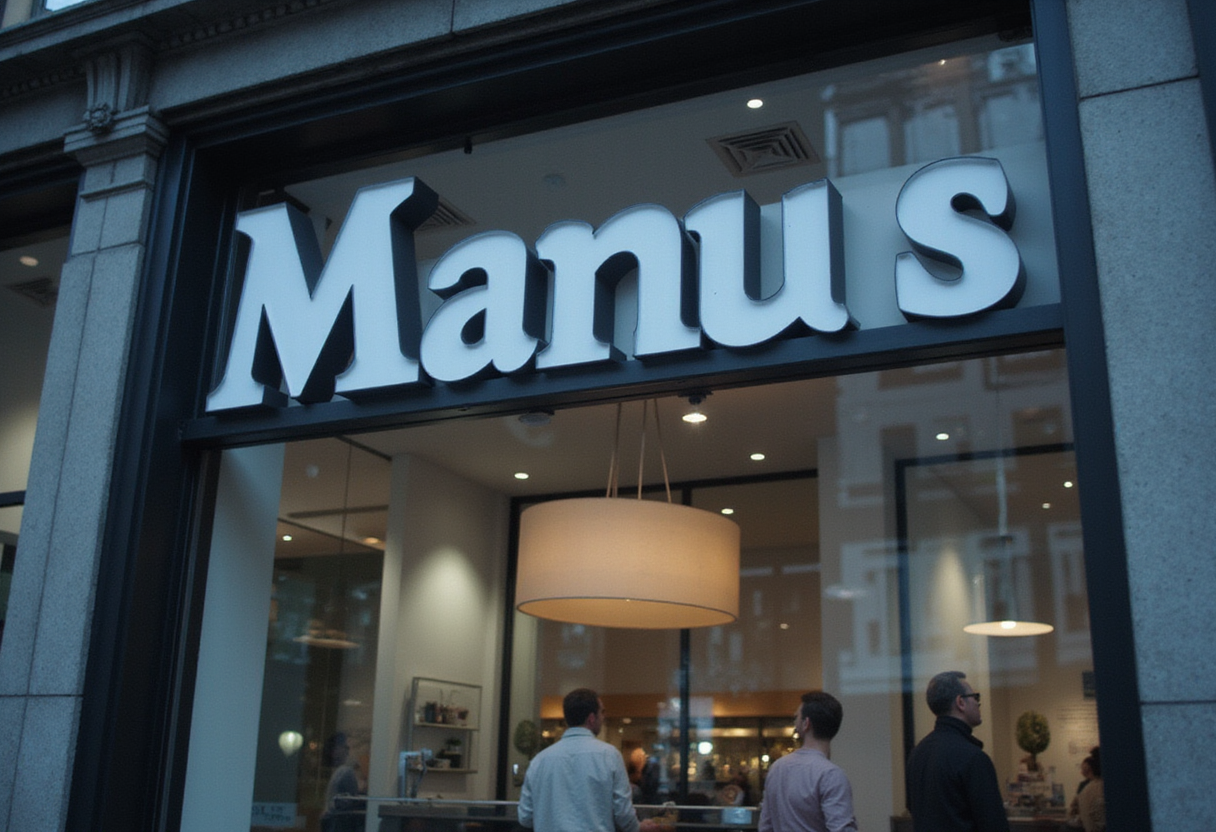
What's News
- Manus raised $500 million following a blocked Meta acquisition.
- China's regulators blocked Meta's planned purchase of the AI startup.
- Manus will continue operating independently instead of being absorbed by Meta.
- The funding round was reported by Yahoo Finance Singapore.
AI startup Manus has raised $500 million, according to Yahoo Finance Singapore, after regulators in China blocked its acquisition by Meta. The figure turns what began as an exit negotiation into one of the more consequential funding rounds for an AI startup this cycle.
The sequence matters. Meta, the parent company of Facebook, Instagram and WhatsApp, had moved to acquire the startup. China's authorities blocked the transaction. Manus then pivoted from a sale to a raise — and secured half a billion dollars in fresh capital.
That is a rare outcome. Most companies that lose a buyer return to market weakened. Manus returned with a nine-figure commitment.
Why did China block Meta's acquisition of Manus?
The Chinese government's decision to stop the deal places Manus at the intersection of two colliding forces: Western big tech's appetite for AI targets and Beijing's tightening control over strategic technology assets.
China has increasingly scrutinized transactions involving its AI sector, treating models, data and research talent as matters of national economic policy. A blocked acquisition by a US technology giant fits that pattern. Yahoo Finance Singapore reports the block as the direct precursor to the funding round, without detailing the specific regulatory mechanism used.
For Meta, the failed deal marks a setback in its aggressive pursuit of AI capabilities through acquisition and investment rather than pure in-house development.
What does the $500 million round signal?
The round signals that capital markets see Manus as a standalone asset worth backing at scale — not merely as a target whose value depends on a buyer's strategic logic.
Key takeaways from the reported terms:
- Amount raised: $500 million, per Yahoo Finance Singapore.
- Trigger: The round followed China's block of Meta's planned acquisition of the startup.
- Position: Manus continues as an independent company rather than a Meta subsidiary.
A raise of this size gives a startup runway to compete directly against the large platforms that once sought to buy it. Manus now has the balance sheet to hire, build and distribute without selling.
Who benefits from the blocked deal?
The immediate beneficiaries are Manus's founders and existing shareholders. An acquisition would have converted their stake into Meta shares or cash at a negotiated price. A $500 million raise instead implies a valuation the market — not a single buyer — is willing to underwrite, and it leaves the founders in control.
The second beneficiary is China's industrial policy apparatus. Blocking the Meta deal keeps Manus's technology, team and intellectual property inside China's regulatory reach. The state effectively traded a foreign exit for a domestically anchored AI champion.
The clear loser is Meta. The company has spent heavily to close its AI gap with rivals including Google, Microsoft-backed OpenAI and Amazon-backed Anthropic. Acquisition is one of its faster routes to capability. Chinese regulators just closed one such route, and the block demonstrates that Meta's M&A options in China's AI sector are narrower than its balance sheet suggests.
What comes next for Manus?
The $500 million positions Manus to scale its AI products independently in a market where capital of that size is increasingly concentrated among a handful of frontier players. The startup must now prove it can convert blocked-exit momentum into commercial performance — shipping products, winning customers and justifying the round's implied ambition.
The episode also sets a precedent other founders will study: a blocked acquisition by a superpower is not necessarily a death sentence. In Manus's case, it became the opening act of a nine-figure raise.
Source: GN: Startup Funding
More from Amara Osei
Show full bio
Senior reporter covering consumer brands and retail at Business Bearings.
613 articles